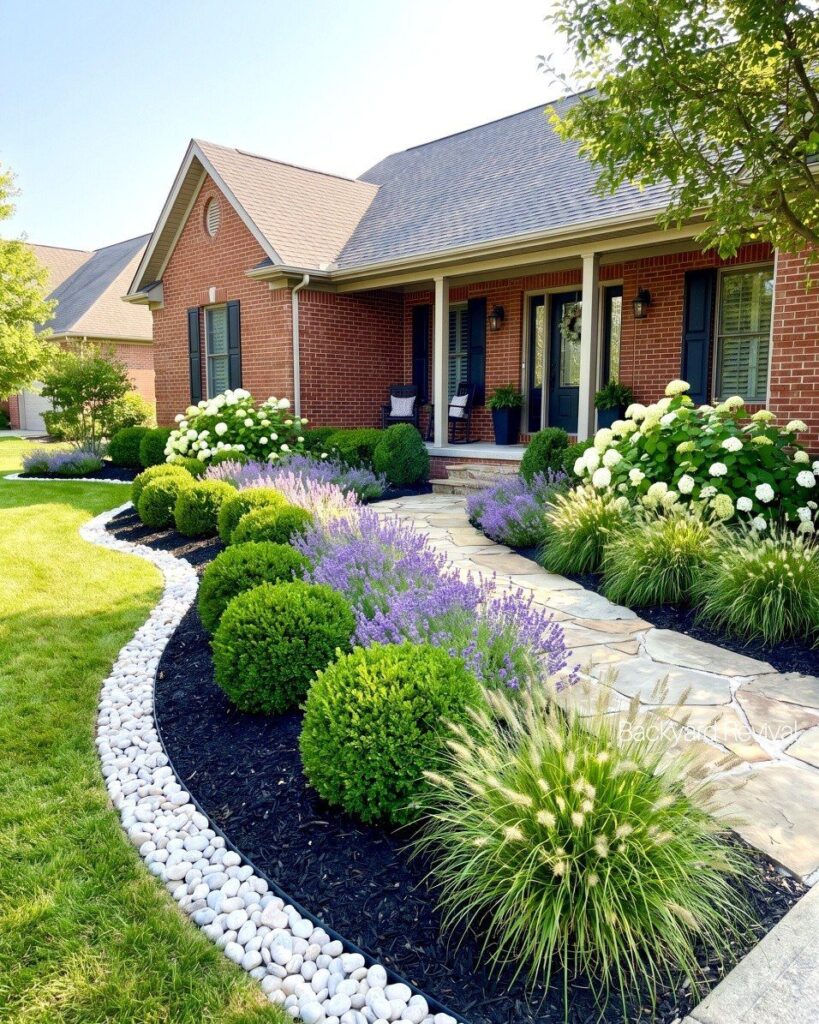
The 13 shrubs below range from low, spreading ground covers to upright varieties that hit six feet or more, with bloom times scattered across every month from March to October.
The one that belongs in your yard depends on whether you need structure in winter, flowers in August, or a plant that tolerates the shade where nothing else thrives.
[link-whisper-related-posts]1. Hydrangea
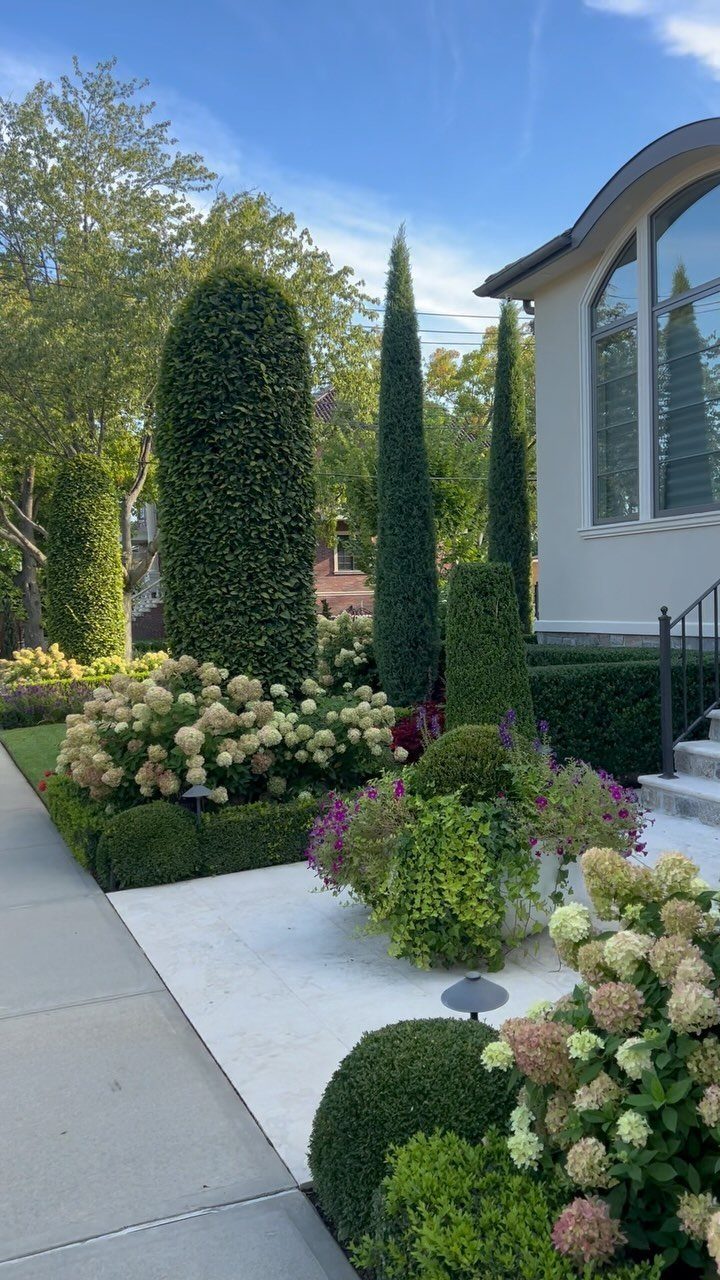
A hydrangea gives you flowers big enough to see from the street, which is exactly why they end up in so many front yards.
The range runs from knee-high shrubs to ones that hit eight feet, so you can match the scale to your house rather than fight it.
Most varieties handle full sun down to part shade, though the oakleaf type actually prefers that cooler north-side spot or the dappled light under mature trees.
Its blooms shift from white to pink and finally burgundy as summer ages, and the leaves follow with deep red in fall.
Peeling cinnamon bark keeps the show going through winter. Give it room; a mature oakleaf spreads four to six feet in every direction.


Dormant in winter
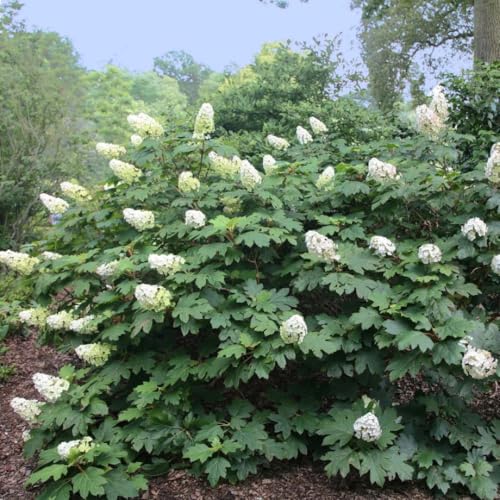
Change Color Hydrangea Live Plant in 2.5 Inch Pot, Hydrangea Trees Shrub Bush Perennial Outdoor Planting
2. Weigela
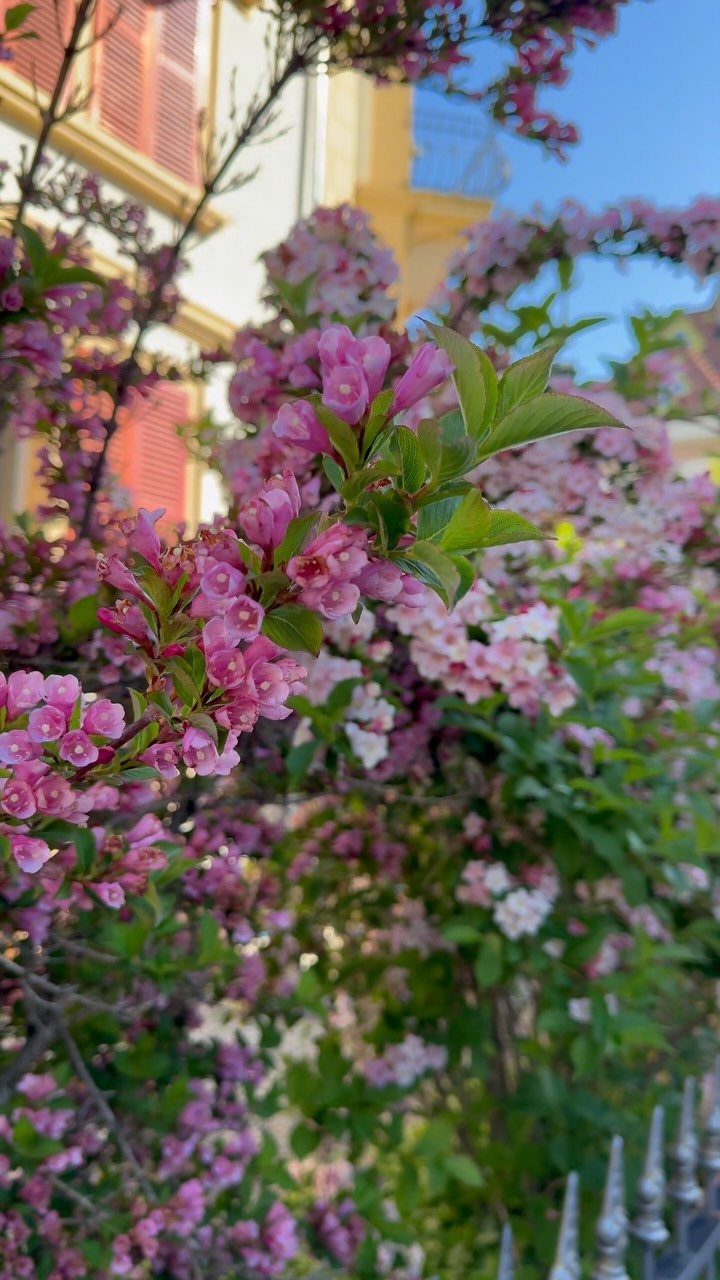
Hummingbirds found my weigela before I noticed it was fully in bloom, which tells you how much flower coverage these shrubs pack on.
The arching branches carry bell-shaped pink or red blooms from late spring well into summer, and the newer varieties back that up with dark purple or near-black foliage that reads as a color accent even when flowers are sparse.
Compact selections stay around two feet, while older types can push six.
Full sun to part shade, hot summers do not bother it, and deer generally pass it by. I would plant the dark-leaf types against pale siding or light gravel where the contrast actually shows.

For sale is one pink weigela that is approximately 10-16 inches tall and shipped in a quart pot

For sale is one red weigela that is approximately 10-16 inches tall and shipped in a quart pot

These are ready to plant and should be put in the ground according to the included instructions upon arrival. All pictures are of fully grown plants. Sizes shipped are in the title and description. Deciduous plants do not have leaves in the winter.
3. Spirea
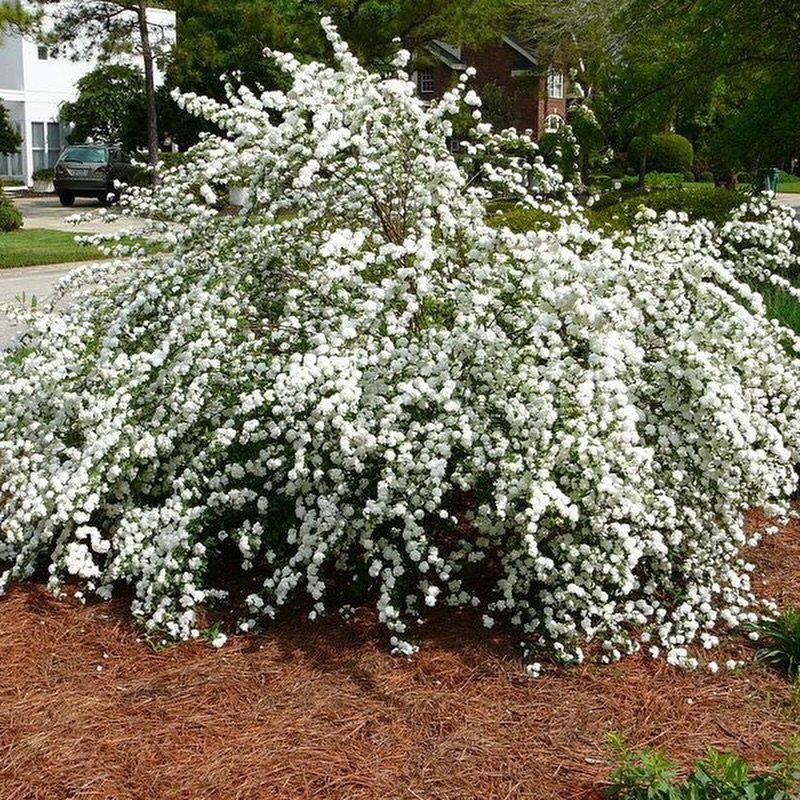
Bridal wreath spirea was my grandmother’s choice for the foundation bed, and I still think of it as the shrub that forgives everything.
Clay soil, heat, cold, humidity, drought, urban air, annual shearing in late winter; it handles all of it and still flowers.
The Double Play series keeps to two or three feet with foliage that shifts from spring orange to summer gold, plus pink blooms on top.
Taller varieties exist if you need height, but the compact ones fit modern beds without swallowing them.
Full sun, a single late-winter cutback, and pollinators arrive in numbers. That is the whole maintenance load.

💚Bridal Wreath Spire is a tall growing flowering shrub that is capable of growing almost anywhere in the United States. This plant grows well in Hardiness zones 4-9, making it a viable Option for most gardeners or landscapers.

Cascading white blooms: Produces masses of double white flowers along arching branches each spring for a breathtaking seasonal display

Cascading white blooms: Produces masses of double white flowers along arching branches each spring for a breathtaking seasonal display
4. Potentilla
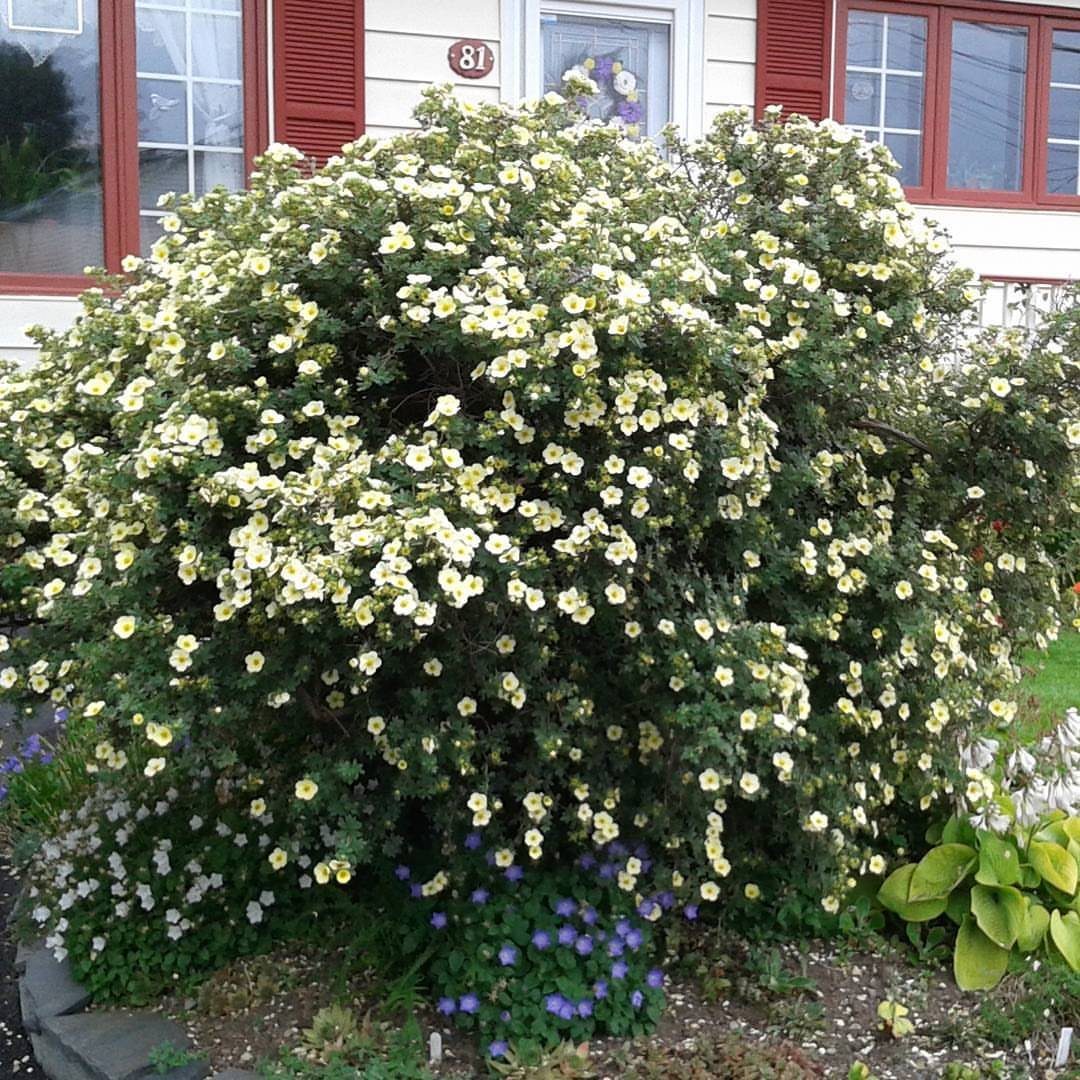
Shrubby cinquefoil is the plant I point to when someone says they kill everything. Pale yellow, white, or pink five-petaled flowers cover it from early summer straight through fall, and the plant itself asks for almost nothing in return.
Full sun, decent drainage, and you are done. It stays one to three feet, handles drought once established, and deer do not find it interesting.
The flowers attract pollinators without drawing the maintenance burden that comes with more demanding shrubs. For a hot, dry front bed or a sloped parking strip where hoses reach with effort, this is the practical choice.

For Best results, plant in usda zone: 3-8 - mature size: 3-4ft H x 4-5ft w

Reliable Perennial: A long-lived garden plant that returns year after year, becoming more established with each season; Plant height 12-18 inches.

Condition of White Cinquefoil Herb Herbal Tea: a brand-new, boxed as depicted
5. Rose of Sharon
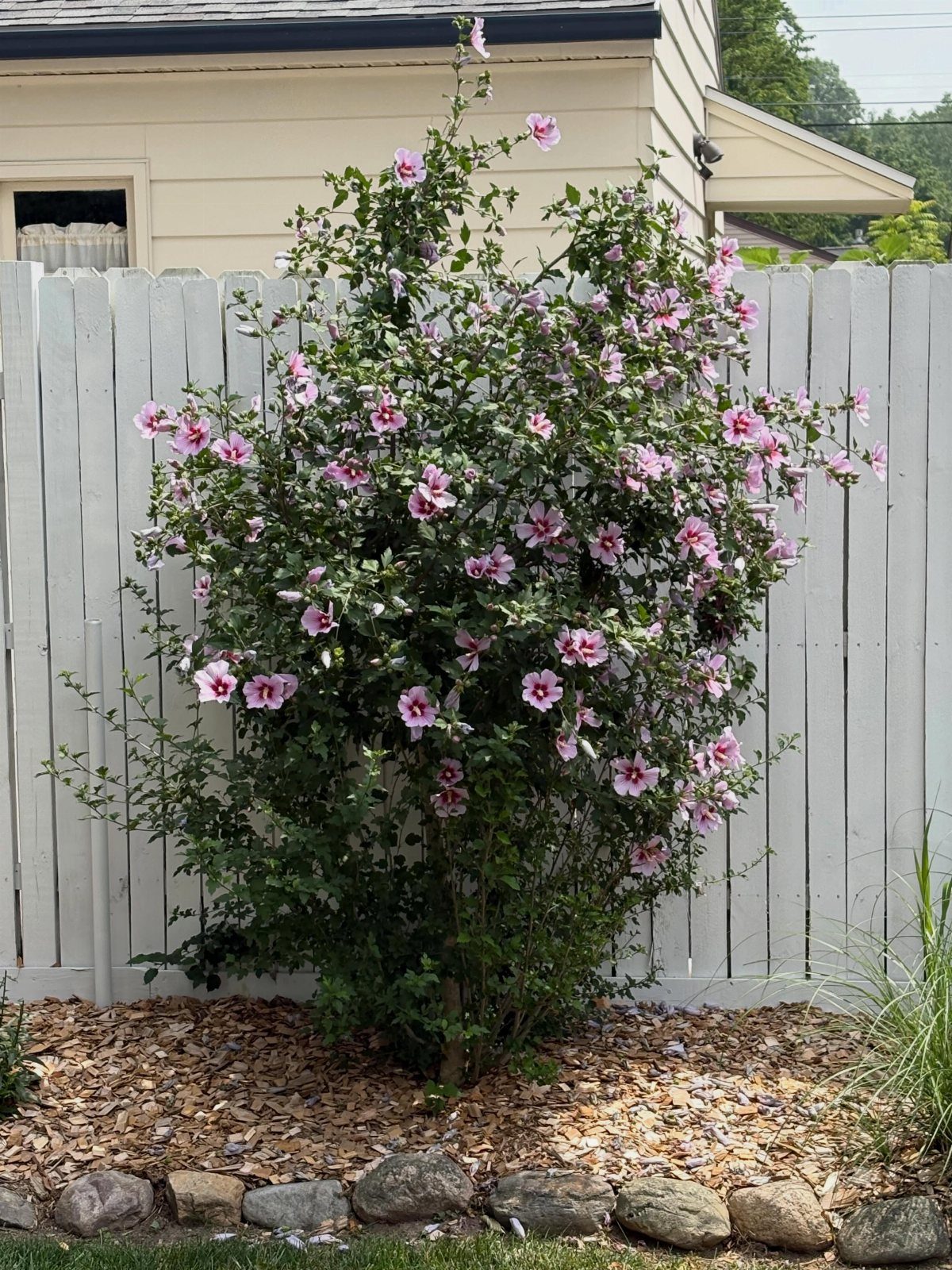
Late summer is when rose of Sharon earns its keep, blooming when most shrubs have finished for the year.
The flowers look almost tropical, large and open with a prominent central eye, and the height, five to ten feet, makes it a candidate for the back of a border or a corner where you need vertical presence.
Full sun, and it will want it; shade cuts flowering by half or more. It leafs out late in spring, so do not panic when the bare sticks sit dormant while everything else greens up.
Prune in late winter if you need to control spread, or let it reach its natural width and treat it as an informal screen.

Beautiful - Large individual packets of Blue Columbine, Johnny Jump Up Violet, English Daisy, Forget-me-not, and Rainbow Mix Coleus - this collection boasts five colorful flowers that do well in areas with partial shade. Bright vibrant colors such as blue, pink, purple, and orange along with different sizes and textures.

【UV-Resistant Sun Protection】 Our plant shade cover is UV-stabilized to shield your plants from harsh direct sunlight and extreme summer heat. It prevents sunburn and wilting while diffusing full-spectrum light, so your plants get balanced daylight without being damaged by intense UV rays

Waterproof & Durable: Made from high-quality Oxford cloth with water-repellent treatment, this sun shade sail resists light moisture and spills, ensuring durability. The tightly woven fabric is designed to withstand wear and tear, making it perfect for long-term outdoor use. Enjoy a worry-free, reliable shade that endures the elements for years.
6. Lilac
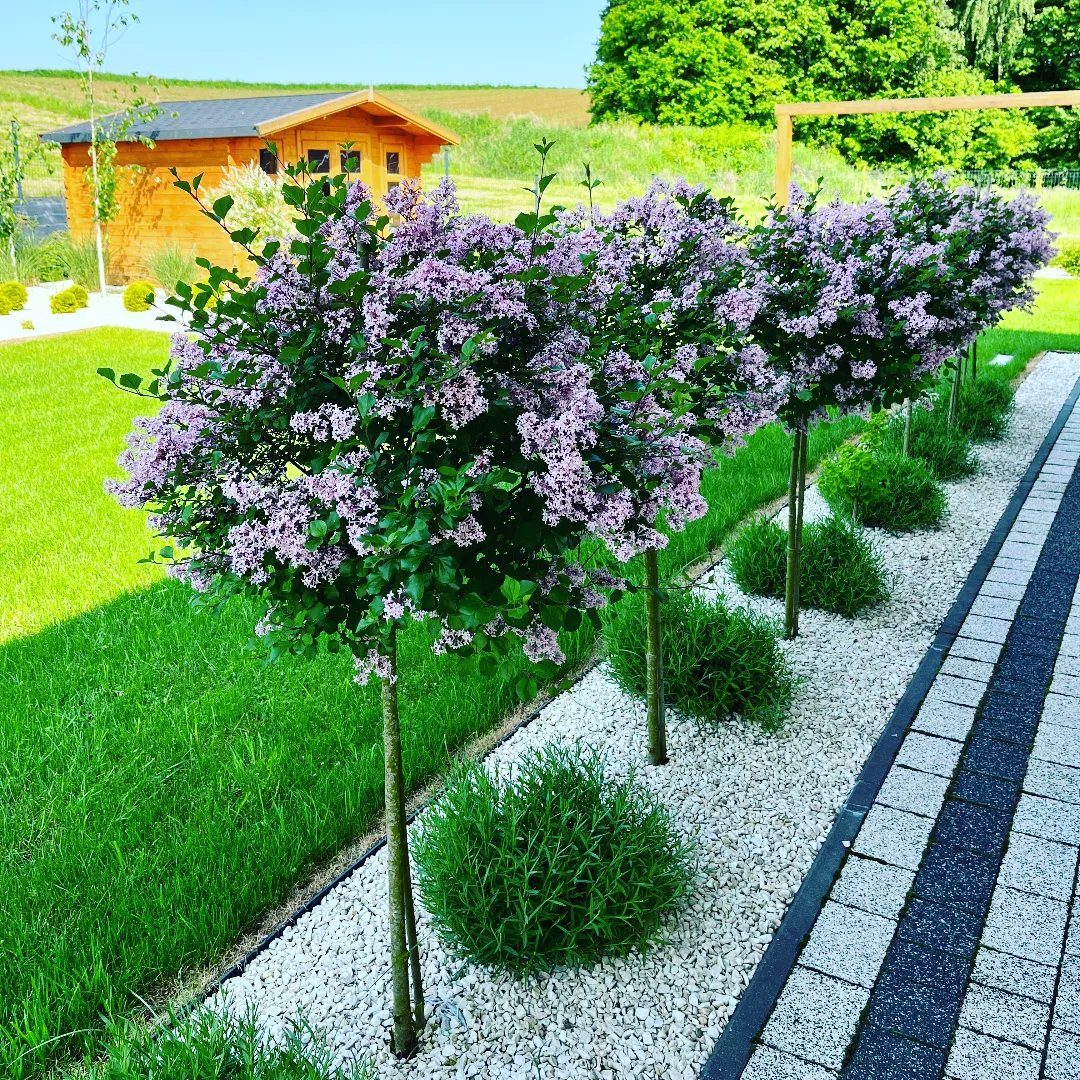
The smell of lilac is the smell of spring arriving, full stop.
Standard varieties grow large, four to ten feet and sometimes more, but the dwarf selections like Little Darling stay compact enough for a small front bed without sacrificing the fragrance.
Purple is the classic color, though white and pink varieties exist. Full sun, mid-spring bloom, and once the roots are down it will tolerate dry spells that would stress thirstier plants.
The flowers come on old wood, so prune immediately after flowering if you must; wait until fall and you cut next spring’s blooms off.
For a path edge or a spot where you brush past in May, this is the one.

UV Block Sun Shade Sail: Upgrade your outdoor living with a premium sun shade sail made from waterproof Oxford fabric, designed to block up to 90% of UV rays. Different from canvas fabric sun shade sails, patio shade canopy helps decrease indoor heat buildup while keeping moderate direct sunlight exposure, creating a cooler and more comfortable environment for your home, backyard, or garden space. Not easy to fade and tear material ensures long-lasting performance even under summer intense sun

Material: This outdoor awning is made of high quality Oxford fabric, which is not easy to wear and tear, waterproof. Includes 4 rustproof D-rings (pre-attached at each corner) reinforced stitching is used at the loop to prevent tearing, and 4 pieces weatherproof ropes, each is 9.8 ft long, outdoor shades for patio able to withstand all kinds of harsh weather. The breathable shade canopy lets breezes pass through while maintaining sun protection, minimizes heat accumulation and enhances comfort

Long-Lasting: This 6.5x10 ft waterproof sun shade sail made of Oxford fabric, high durability and excellent waterproof and UV protection performance. Thick enough to get some light through, but cannot see through it, it effectively blocks out 90% of sun ray on sunny day and shields you from rain on drizzly days.
7. Azalea
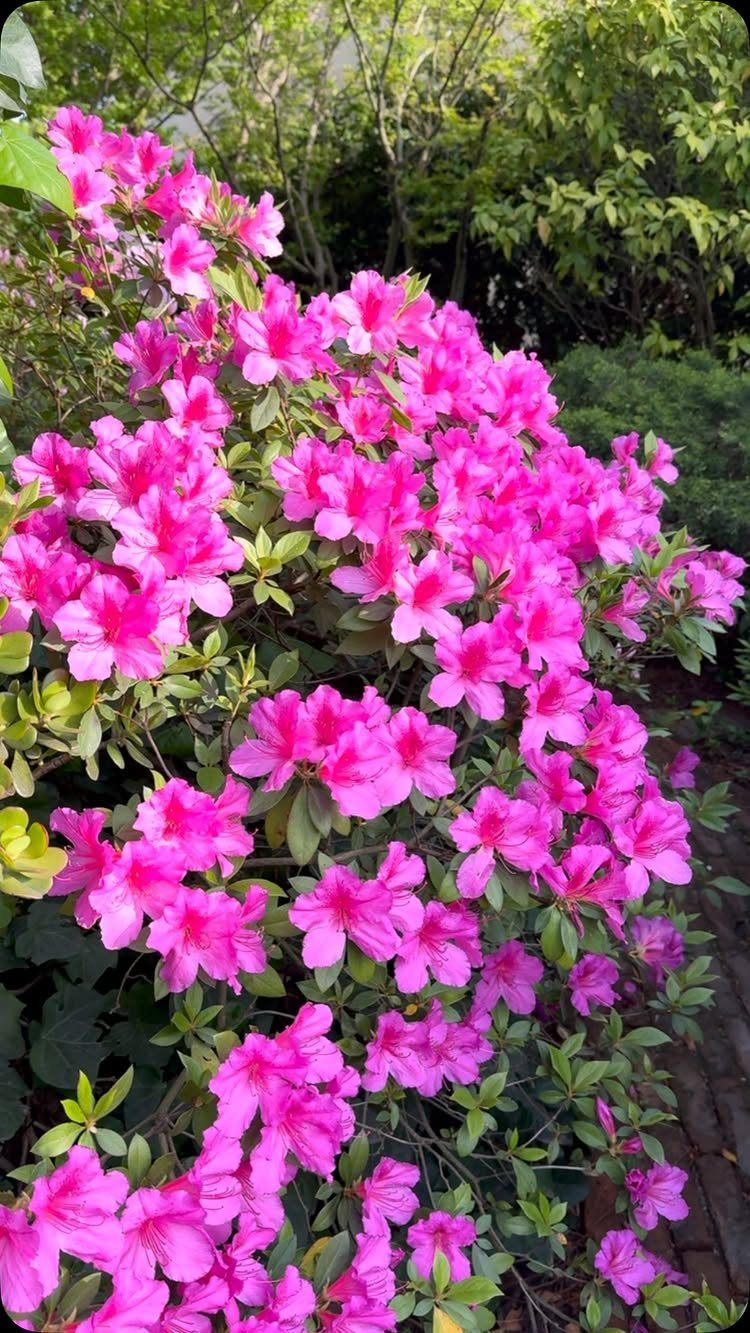
Azaleas light up a front yard in spring with blooms dense enough to hide the foliage entirely, in shades from white through orange to deep purple.
Most stay evergreen, so the shrub keeps structure through winter rather than dropping to bare sticks.
Heights range from 3 feet to over 15, which means checking the tag before you plant; a variety meant for foundation beds can swallow a walkway if you grab a 15-footer by mistake.
Most azaleas want partial shade and soil that drains well, with plenty of organic matter worked in and pH on the acidic side.
Fertilize after flowering, not before, or you push leaves at the expense of blooms. Plant them with hydrangeas or camellias where the colors can play off each other.

This Plant ships established in a 1 gallon container. This is a young and immature plant - Not Full Grown

ESTABLISHED QUART POT: You receive a Variegated Weigela settled in its own quart-sized container. This manageable size is easy for you to handle and is intended to provide a strong beginning for the shrub with a more developed root system compared to smaller seedlings.

Weigela florida adds rich color and vitality to the garden with its colorful flowers and long flowering period, The flowers densely arranged, clustered on the branches, high ornamental valu.
8. Arborvitae
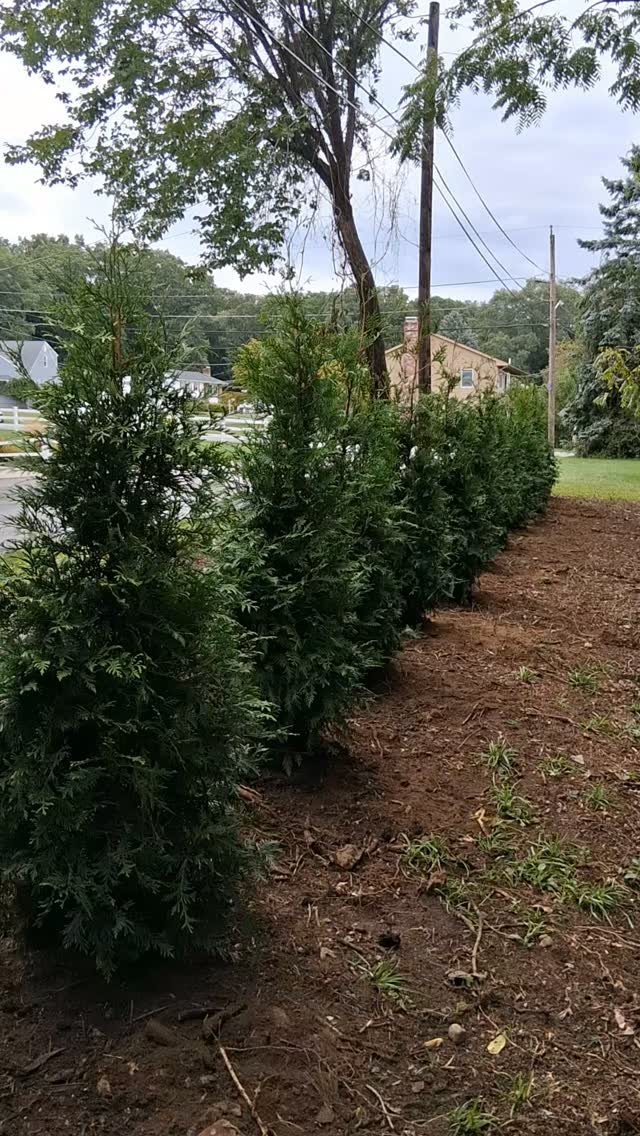
When you need a privacy screen fast, arborvitae is the tool for the job.
Green Giant shoots up 3 to 5 feet per year and tops out at 40 to 60 feet, which is overkill for most front yards; Emerald Green stays narrower and stops at 12 to 15 feet, fitting suburban lots without argument.
The fan-like foliage stays dense and green year-round, and the pyramidal shape needs no pruning to look intentional.
Full sun and decent airflow keep arborvitae from thinning out at the bottom. The main threat is bagworms: inspect once in late May, pick off any egg cases by hand, and you avoid the problem entirely.

For sale is one Bridal Wreath Spirea Shrub that is approximately 12-16" tall and shipped in a gallon pot

This item unavailable in HI and AK - Ships in a pot with soil

💚Bridal Wreath Spire is a tall growing flowering shrub that is capable of growing almost anywhere in the United States. This plant grows well in Hardiness zones 4-9, making it a viable Option for most gardeners or landscapers.
9. Boxwood
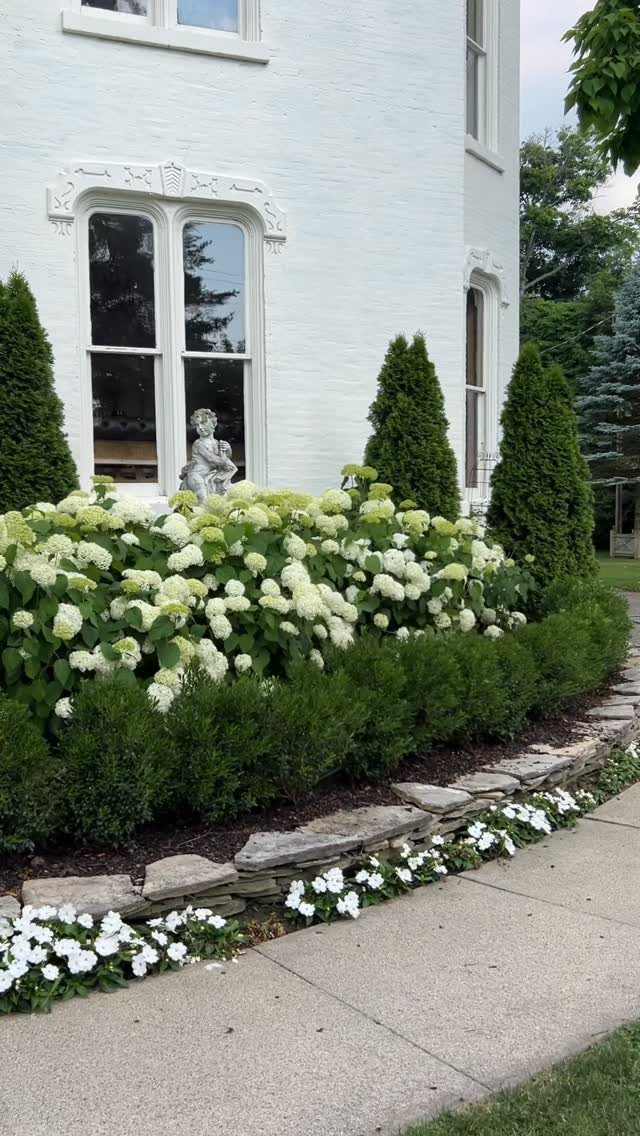
Fine-textured, dense, and willing to take either sun or shade, boxwood is the shrub that holds a formal bed together while everything else around it changes with the season.
Green Velvet tops out around 3 to 4 feet, Sprinter hits 2 to 4, and Winter Gem gets to 4 to 6; all three stand up to boxwood blight better than the older types, which is worth more every season.
The small leaves shear cleanly, so if you want a low hedge along a walk or geometric shapes flanking a door, this is the plant.
Clay soil needs some fixing first; plant a bit raised or in a bed you have amended, and soak it deep the first 2 summers while the roots find their footing. After that, it asks for very little.

COMPACT SIZE & ENVIRONMENT: Our Cinquefoil - Gold Sovereign grows to a height of 12 - 16 inches, making it suitable for smaller garden spaces or as a border plant. It grows in USDA Zones 4 - 8 and does well in full sun, though it can tolerate partial shade. It prefers well-drained soil, fitting into various garden settings, including containers and borders.

COMPACT SIZE & ENVIRONMENT: Our Cinquefoil - Fireball Mix grows to a height of 12 - 24 inches, making it suitable for smaller garden spaces or as a border plant. It grows in USDA Zones 4 - 8 and does well in full sun, though it can tolerate partial shade. It prefers well-drained soil, fitting into various garden settings, including containers and borders.

COMPACT SIZE & ENVIRONMENT: Our Cinquefoil - Orange Starlit grows to a height of 12 - 24 inches, making it suitable for smaller garden spaces or as a border plant. It grows in USDA Zones 4 - 8 and does well in full sun, though it can tolerate partial shade. It prefers well-drained soil, fitting into various garden settings, including containers and borders.
10. Forsythia
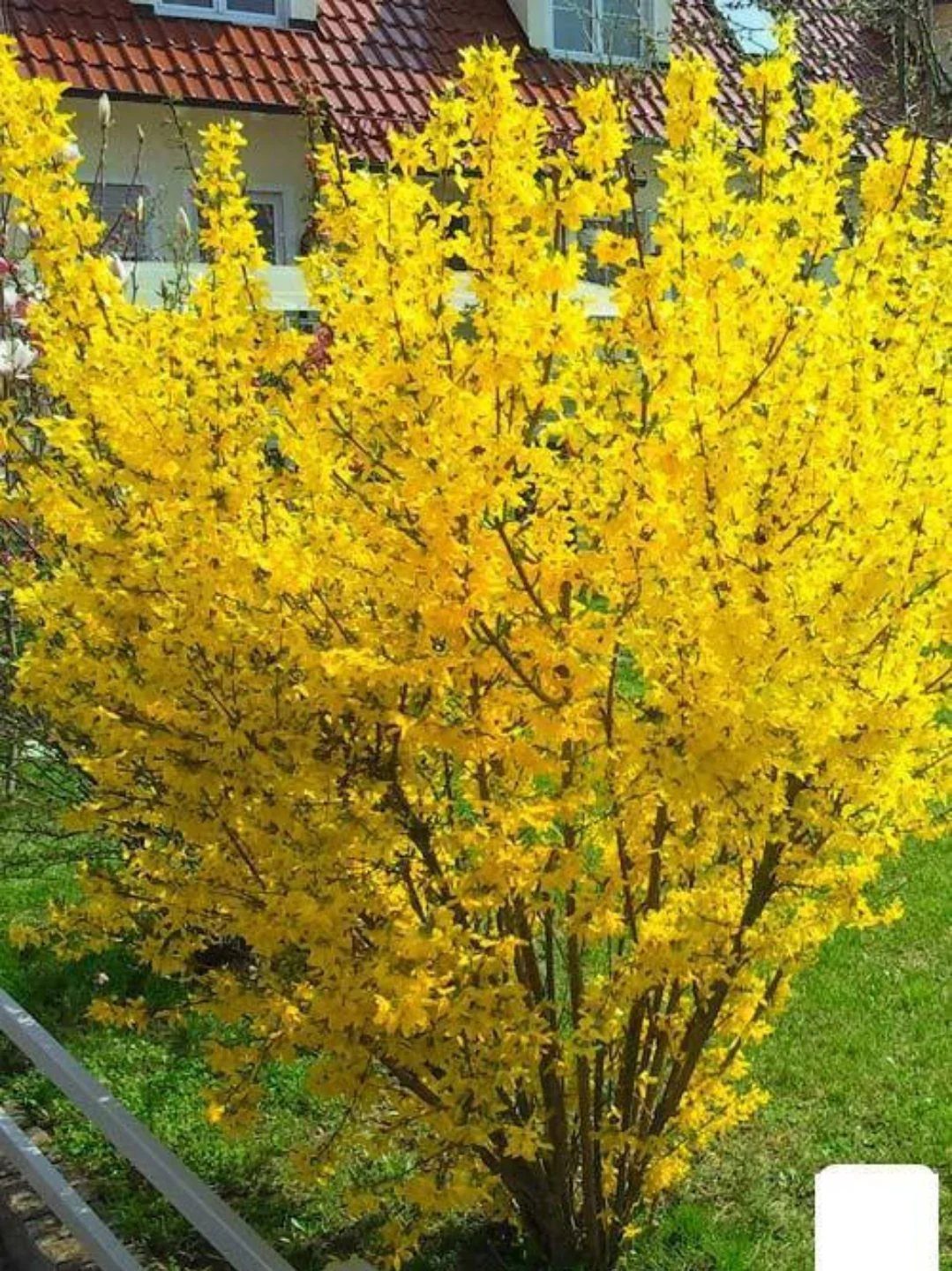
No other shrub announces spring with such unmistakable confidence: bright yellow flowers on bare branches in early March, weeks before anything else has even thought about blooming.
The arching branches run fast and wide, anywhere from 3 to 10 feet or more, so either give it space or cut hard right after the blooms finish; next year’s buds set on this summer’s wood, and a fall trim steals the show.
Full sun brings the most color, though it tolerates partial shade and poor soil without complaint. Once the flowers drop, you are left with ordinary green leaves until frost, which is the deal you make.
Plant it where the spring moment matters most, along a fence line or at the back of a border, and cut branches for forcing indoors when cabin fever hits.
11. Privet
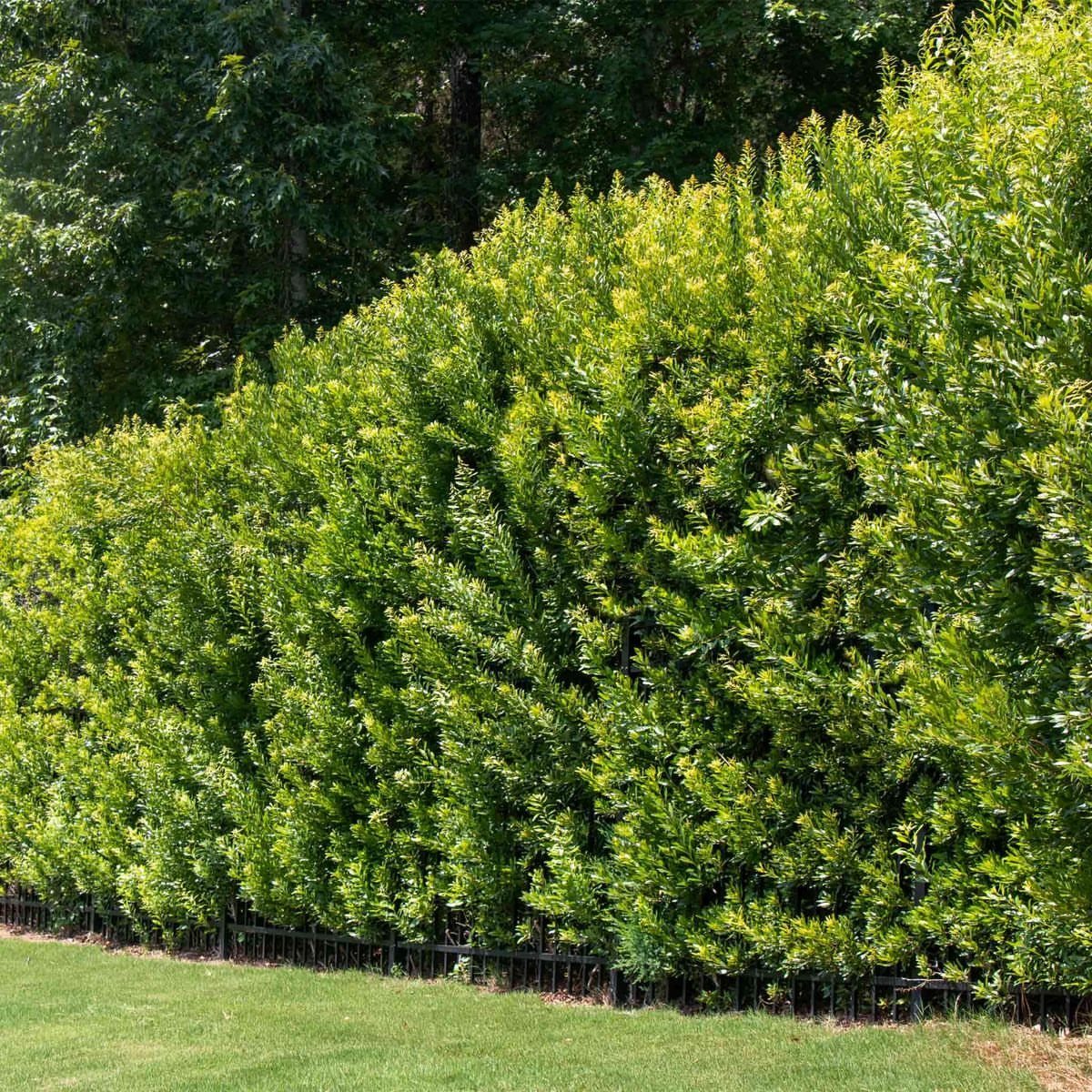
Chinese and Japanese privet grow quick and fill in dense, which is why they have been the standard hedge plant for as long as anyone can remember.
A single row can reach 2 to 3 feet of growth per year, and heavy pruning only makes them denser. They hold color almost all winter in the milder zones and take shearing into tight shapes without sulking.
The caution is real: some species run invasive in the Southeast, so buy named cultivated varieties from reputable sources and keep them trimmed.
For a similar look without the risk, arrowwood viburnum or winterberry holly work as native replacements, though neither grows quite so eagerly.
Using shrubs to create privacy adds a living element that a fence or wall can’t offer. Hedging can be used to create intimacy, define garden rooms, or block out unsightly views.
12. Virginia Sweetspire Shrubs for Shade
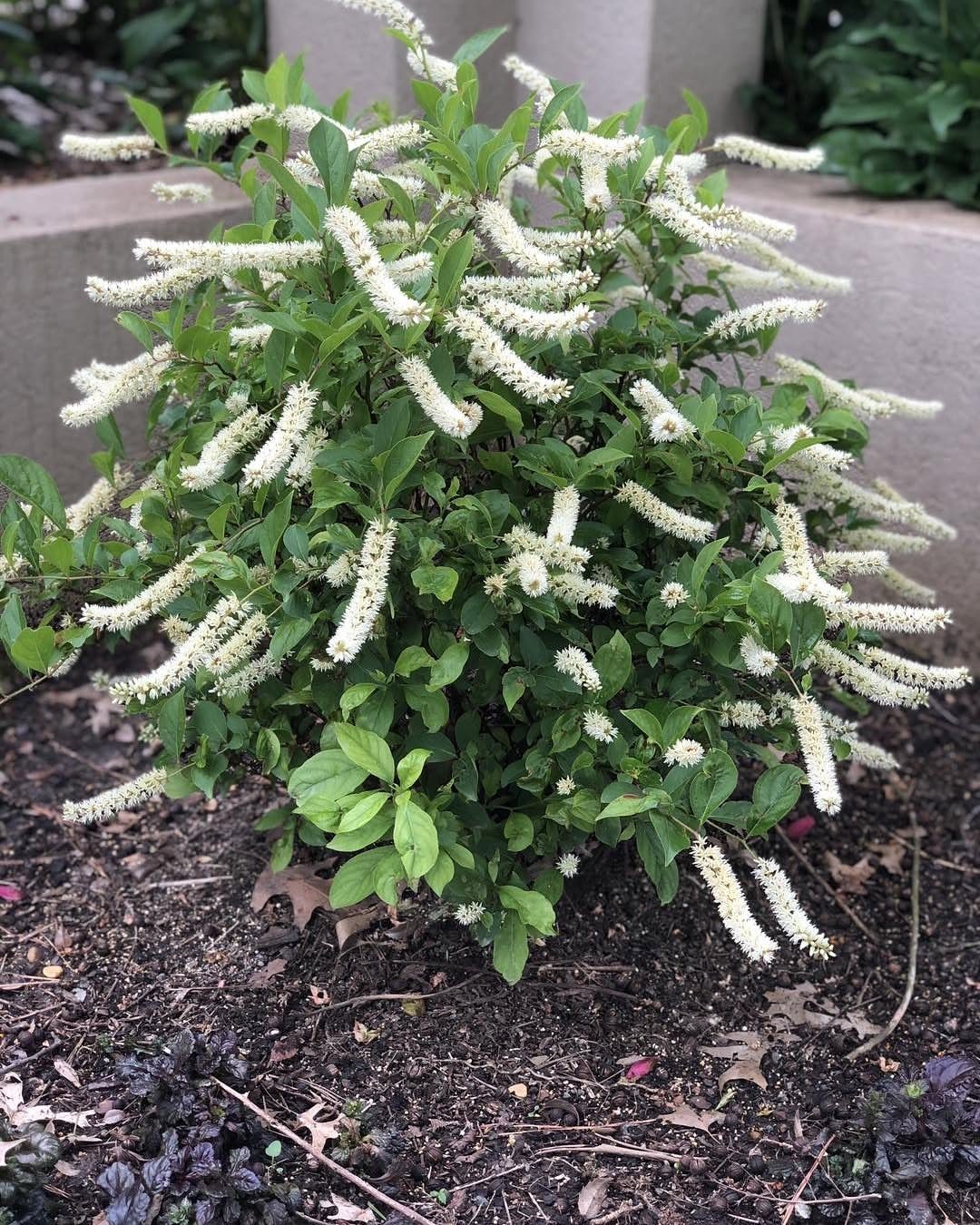
Most shrubs thin out and sulk in shade, but Virginia sweetspire thickens up and blooms. Fragrant white flower spikes arrive in early summer, and the fall foliage shifts to red and purple intense enough to rival any maple.
At 3 to 4 feet, it fits foundation beds on the north side of a house where little else will thrive.
It creeps outward by suckers to make a colony, great when you need ground covered and less great when you want a clean line; ask for Henry’s Garnet if you want the strongest fall color going.
Moisture and shade that would rot other shrubs suit it fine.
13. Rhododendron
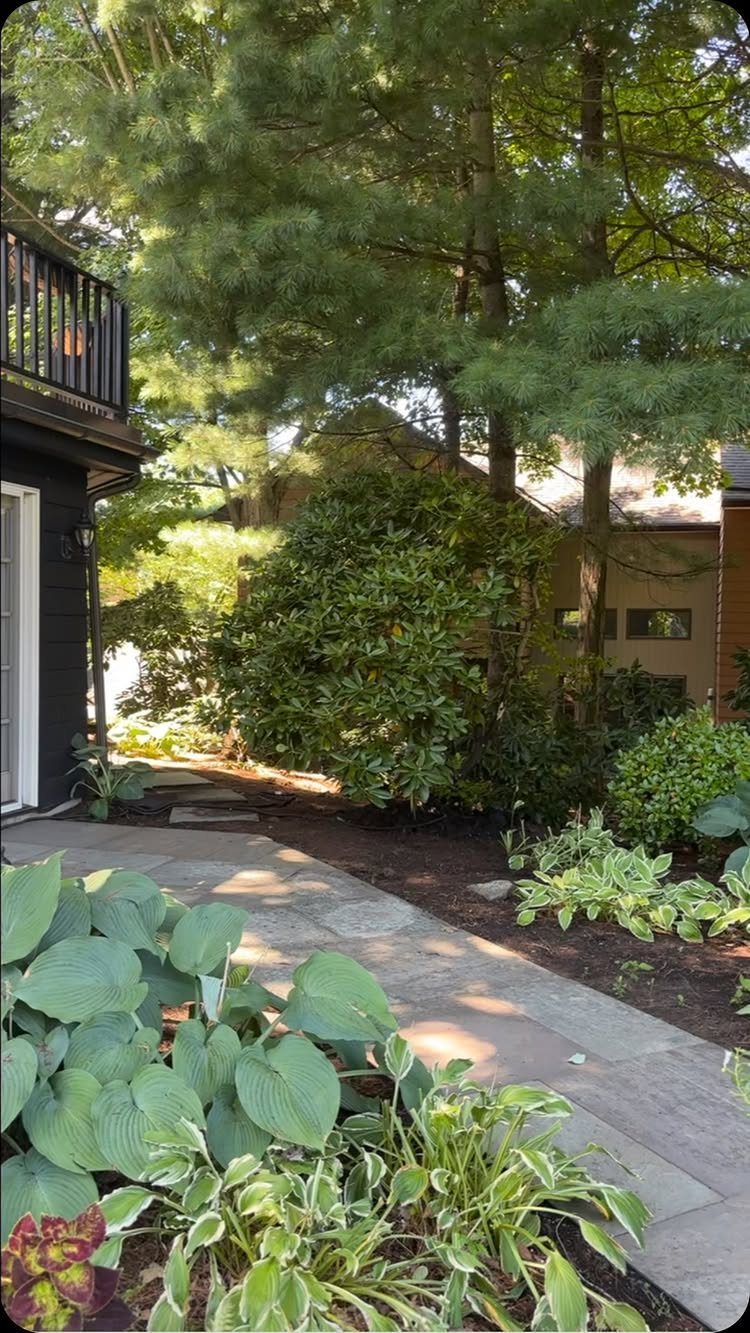
A rhododendron in full bloom looks almost tropical against the dark green of its own leaves, with clusters of bell-shaped flowers in white, pink, red, or purple arriving in mid to late spring.
The broadleaf evergreen foliage stays through winter, which is why some homeowners use these for screening, though at 6 to 10 feet high and 5 to 8 feet across, a single plant needs room to breathe.
Partial shade and acidic, well-draining soil are non-negotiable; clay that holds water will rot the roots.
Work organic matter in before planting, and keep it watered through the first 2 summers while the roots spread. Deer will browse it, so skip this one if they frequent your yard.
For strongest color, I would plant the variety Nova Zembla in a spot with dappled morning light and afternoon shade, where the blooms last longest without scorching. Zones 4 to 8.
Choosing the Right Shrubs
Shrubs live a long time, so the tag at the nursery deserves more attention than the plant itself.
Mature size is the first thing to check: a 15-foot azalea will swallow a walkway if you plant it where a 3-foot variety belongs. Climate comes next.
Dry summers mean waterwise choices like potentilla; humid summers suit spirea and oakleaf hydrangea without extra work. Soil pH matters for rhododendron and azalea, both of which need acidic conditions and will sulk in alkaline clay.
A hardware store test kit costs less than a single replacement shrub. Maintenance level is where most front-yard projects go wrong.
I have learned to be honest about how many Saturdays I want to spend with shears in hand. One cut per year covers most shrubs on the list; anything needing more than that should earn its place.
Maintenance Requirements
Low-maintenance shrubs are not no-maintenance, but the right choice keeps the work reasonable.
A shrub that tops out below the window line saves you from fighting it back twice a year. One trim per year is typical for most varieties; timing depends on bloom habit.
Spirea handles a late-winter cutback without complaint. Slow-growing natives need less intervention overall.
Shape matters too: shrubs that develop a tidy outline on their own, like the compact spireas or naturally pyramidal arborvitae, save hours compared to something that wants to sprawl. I look for varieties that keep their structure without constant attention.
For the first couple summers after planting, any shrub needs slow, deep watering while its roots settle in. After that, the truly low-maintenance ones mostly handle their own water and shaping.
Seasonal Interest
A front yard that puts on a show for one month and then sits there bare until spring is a missed opportunity.
The fix is mixing bloom times and leaf types so something always carries the bed. Spring belongs to forsythia, lilac, and azalea.
Summer shifts to weigela, rose of Sharon, and the long-running potentilla. Fall color comes from oakleaf hydrangea and Virginia sweetspire, both of which redden intensely.
Winter structure needs evergreen backbone: boxwood, arborvitae, rhododendron. Three or four species with staggered peaks keep the bed from reading as a single-event planting.
Evergreen ground covers or ornamental grasses can substitute for evergreen shrubs if space is tight. I think of it as layering: if everything flowers in April, the yard has nothing to say in October.
Planting Tips
Plant tags list mature size for a reason.
Use it. When placing a shrub against a wall or foundation, plant no closer than half its mature width; a four-foot-wide boxwood needs two feet of clearance minimum.
Space shrubs by adding their mature widths and splitting the total: a hydrangea that will spread four feet and a spirea that will spread two want three feet between their centers. Light exposure on the tag is equally fixed.
Check the label for height and spread at maturity, not the cute little thing sitting in the pot. A corner that needs vertical presence at full scale will look bare for years if you only buy for now.
I have planted too close and paid for it with crowding, disease, and removal. The tag is free advice; ignore it and the shrub becomes an expensive lesson.
Frequently Asked Questions
What are the best bushes to plant in my front yard?
Hydrangeas, boxwoods, and potentilla are solid starting points, each for different reasons.
Hydrangea blooms are heavy enough to read from the sidewalk, and the shorter cultivars stay under four feet while the big leaf types can hit eight, so the house size mostly picks itself.
Boxwood holds a formal bed together with fine-textured evergreen foliage that takes sun or shade.
Before you buy anything, walk the planting strip at morning, noon, and late afternoon and mark which spots bake and which sit in shadow; most flowering shrubs want 6 hours of direct sun to set buds, whereas rhododendron will carry a north-facing wall without ever thriving, just surviving.
What are the most low-maintenance shrubs for the front yard?
Potentilla, spirea, and weigela are the ones I point to when someone wants maximum effect for minimum effort. Potentilla asks for full sun and decent drainage, then flowers nonstop from early summer through fall with no further attention.
Weigela packs on bell-shaped blooms from late spring into summer and takes hot summers without fuss, with deer generally leaving it alone.
A variety that tops out below the sill line never needs shearing into a green meatball; pick for the mature height and the maintenance mostly handles itself.
What should I replace bushes with in front of my house?
Start by checking why the old shrubs failed or outgrew the spot, then match the replacement to the actual space.
A 15-foot azalea planted where a 3-foot variety belonged is a common mistake; compact boxwoods like Green Velvet at 3 to 4 feet, or dwarf lilacs like Little Darling, fit small front beds without swallowing walkways.