These corner herb garden ideas run from a single pallet leaned against the wall to a full raised bed setup that takes a weekend and some muscle to fill.
What actually works depends on whether you own the ground beneath it or answer to a lease, since a pallet garden can come with you when you move but a cinder block bed stays behind.
[link-whisper-related-posts]1. Vertical Plant Wall
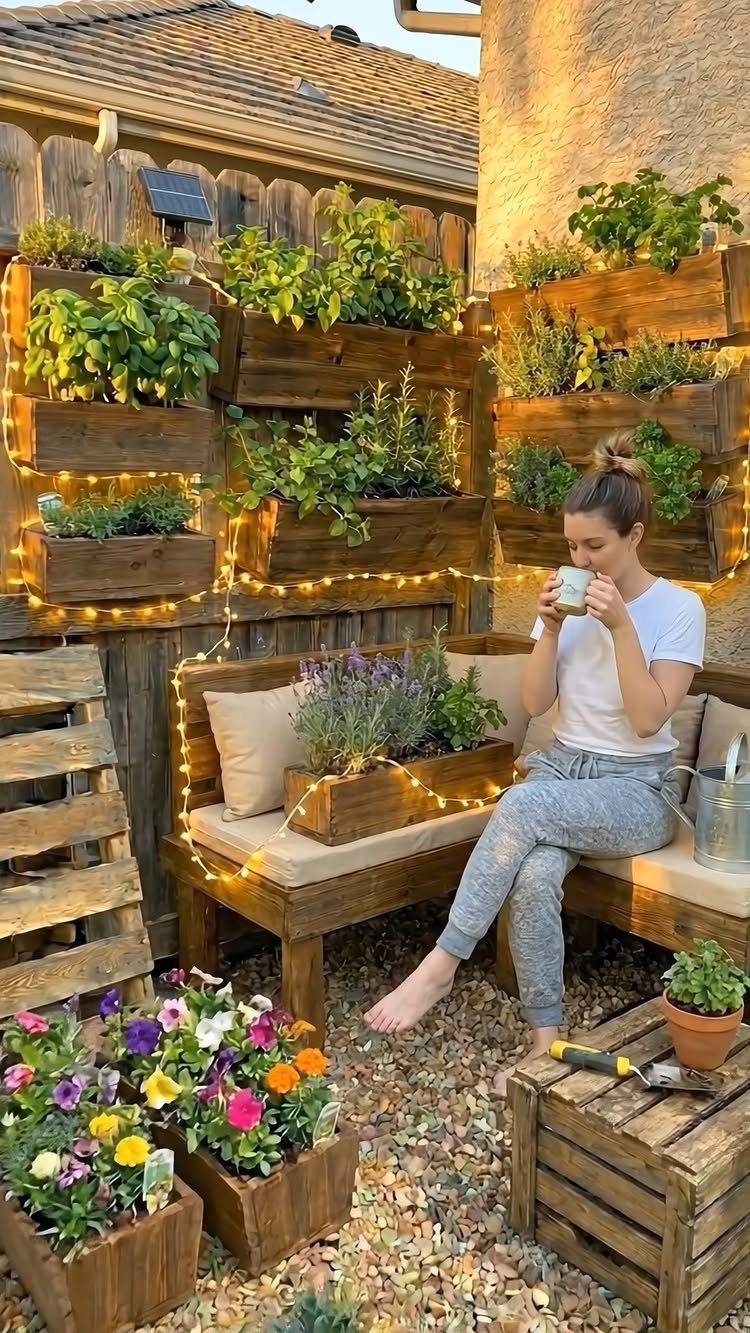
A wall of mounted planters turns a fence or patio wall into growing space that eats zero ground.
Cedar boxes, galvanized buckets, even old watering cans with drainage drilled underneath, all hang in a column that keeps herbs at arm’s reach.
An L-shaped bench below the wall turns the corner into a full sitting nook.
String lights overhead stretch the hours you will spend there. Her setup moved herbs and flowers together, which works if you match water needs; thirsty basil paired with dry-throat lavender means one of them suffers.
I would start with 2 boxes and add more only after I learned what sun that wall actually gets. Morning light reads different by afternoon, and a wall that looks bright in morning can lie to you by mid-afternoon.
Cost stays low if you build simple cedar boxes yourself. One blogger put hers together in under an hour for under $10, though that was a single planter and lumber prices have shifted since.
Stack several in staggered sizes and the wall starts to read as a garden, not a storage solution.
Self-watering system means you can often go weeks without watering plants
2. Herb Garden Corner
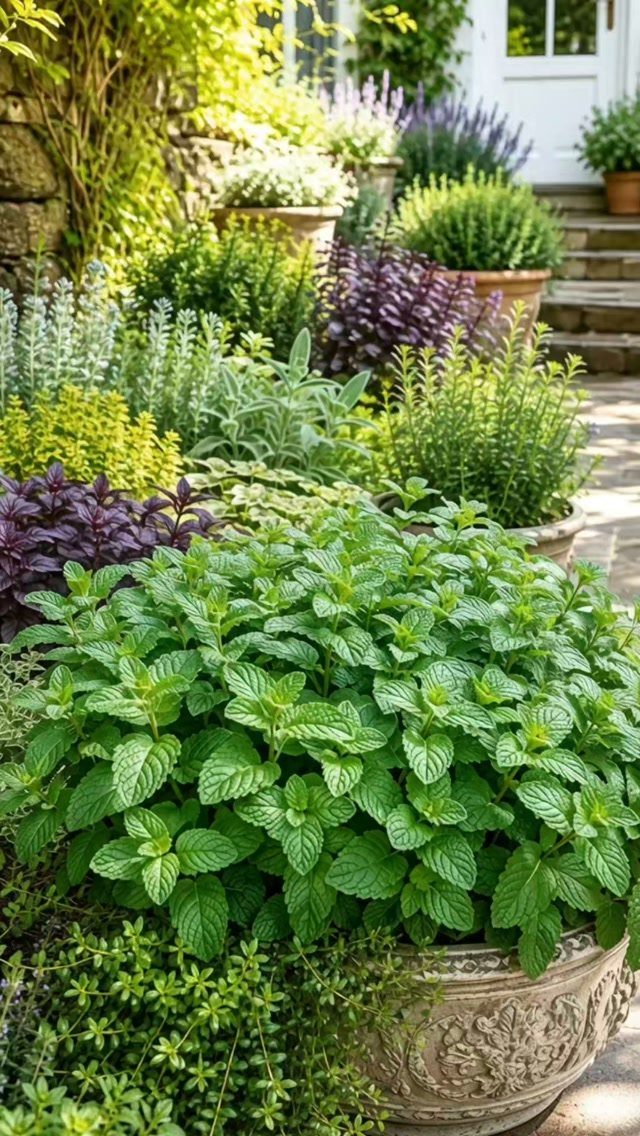
Unglazed clay dries fast; without drip irrigation, you are checking soil twice daily through July.
A kitchen-adjacent station lets you snip what you need and walk straight to the stove.
Grouping by use helps more than grouping by looks. I keep basil tight to the tomatoes I will pair it with, thyme near the rosemary that shares its roast-chicken fate.
Height variation comes from setting pots on stands at different levels, which also solves the crowding problem: every plant sees some sky.
An all-purpose fertilizer twice weekly keeps the heavy feeders from going pale. If leaves yellow between veins, that is not a mystery to solve; it is a signal to feed more often.
This corner demands a water source nearby. Dragging a hose across a patio on repeat murders the convenience that makes the idea work.

Elevate Your Garden - Opt for a brilliantly engineered raised garden bed to revolutionize your gardening. Its spacious design, measuring 48x24x30 inches, allows for the cultivation of multiple vegetable varieties alongside a plethora of herbs, optimizing your gardening space for ease and diversity.

PRODUCT DETAILS: Gardener's Supply Elevated Raised Beds Planter Box Made from a beautiful naturally rot-resistant cedar lumber with heavy-duty rustproof aluminum legs and corners that can hold approximately 14 cubic feet (360 quarts of soil) of container mix. At 7 1/4" high, this attractive planter is the perfect height for easy growing for most plants and vegetables.

PRODUCT DETAILS: Made from beautiful naturally weather-resistant cedar lumber with heavy-duty rustproof aluminum legs and corners that can hold approximately 13 cubic feet (340 dry quarts) of container mix. At 29" high, this attractive planter eliminates the need to stoop, bend, kneel, and reach, suitable for your deck, patio, or backyard
3. Raised Corner Planter
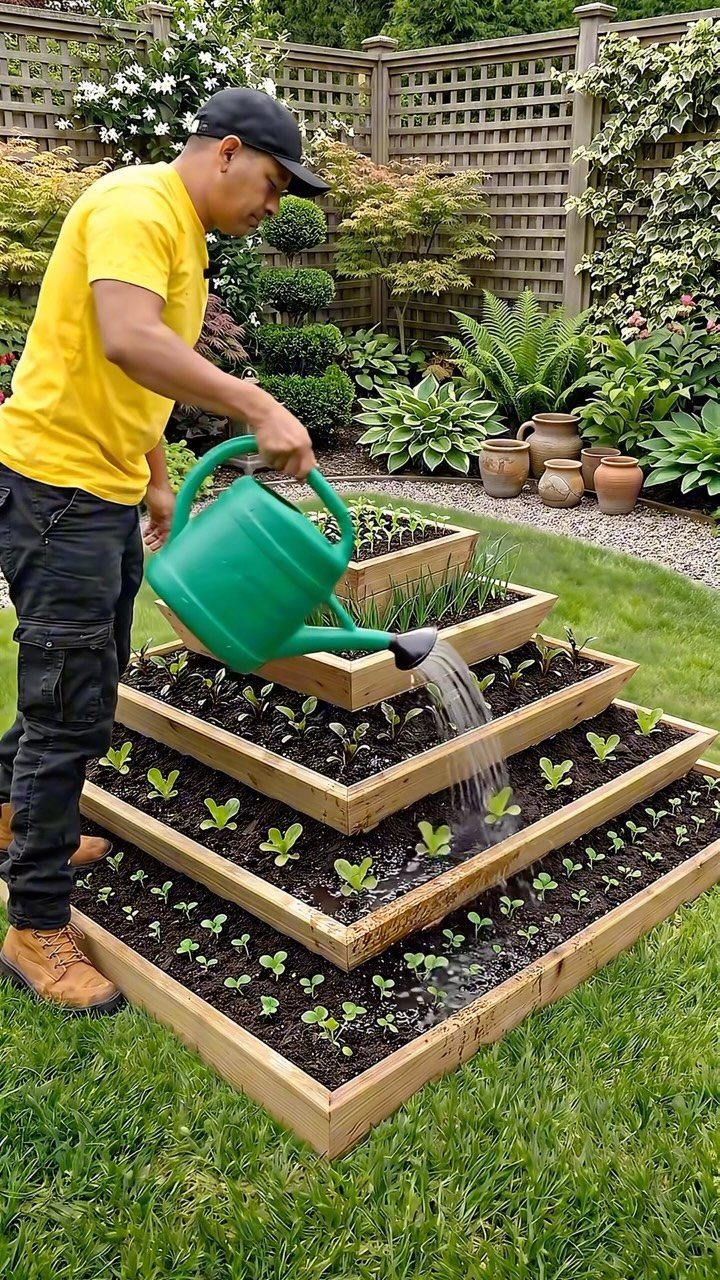
A triangular box built to fit a corner gives you back the square footage the geometry would waste.
Construction from cedar or rot-resistant lumber lasts longer than soft pine in most climates. Pressure-treated lumber costs less but carries a debate about leaching into edibles that I sidestep by spending extra on cedar.
Use potting mix, not garden soil; the drainage and root room matter more in a confined box than they do in open ground.
The height saves your knees and back, which matters more than I expected when I started gardening in my 30s.
What it trades away is the thermal mass and moisture buffer of in-ground planting. A raised corner planter warms faster in spring and dries faster in August.

Multi-tier Storage: Compact 3-tier plant stand lets you separate herbs and small green plants to build mini garden displays. Neatly organize your foliage without taking up extra space
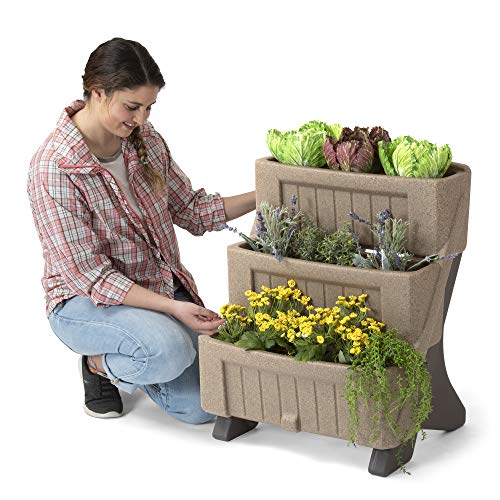
Simplay3 3-Level Herb and Flower Garden Planter 420070-01
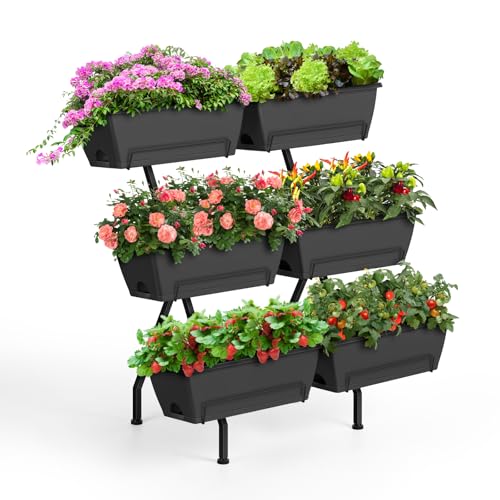
【Space-Saving Vertical Garden System】 Six stackable planters transform tight spaces into lush gardens – perfect for urban balconies, small patios, or indoor greenery. Strategically alternate herbs, flowers and vegetables across tiers to create your perfect mini ecosystem.
4. Tiered Planters
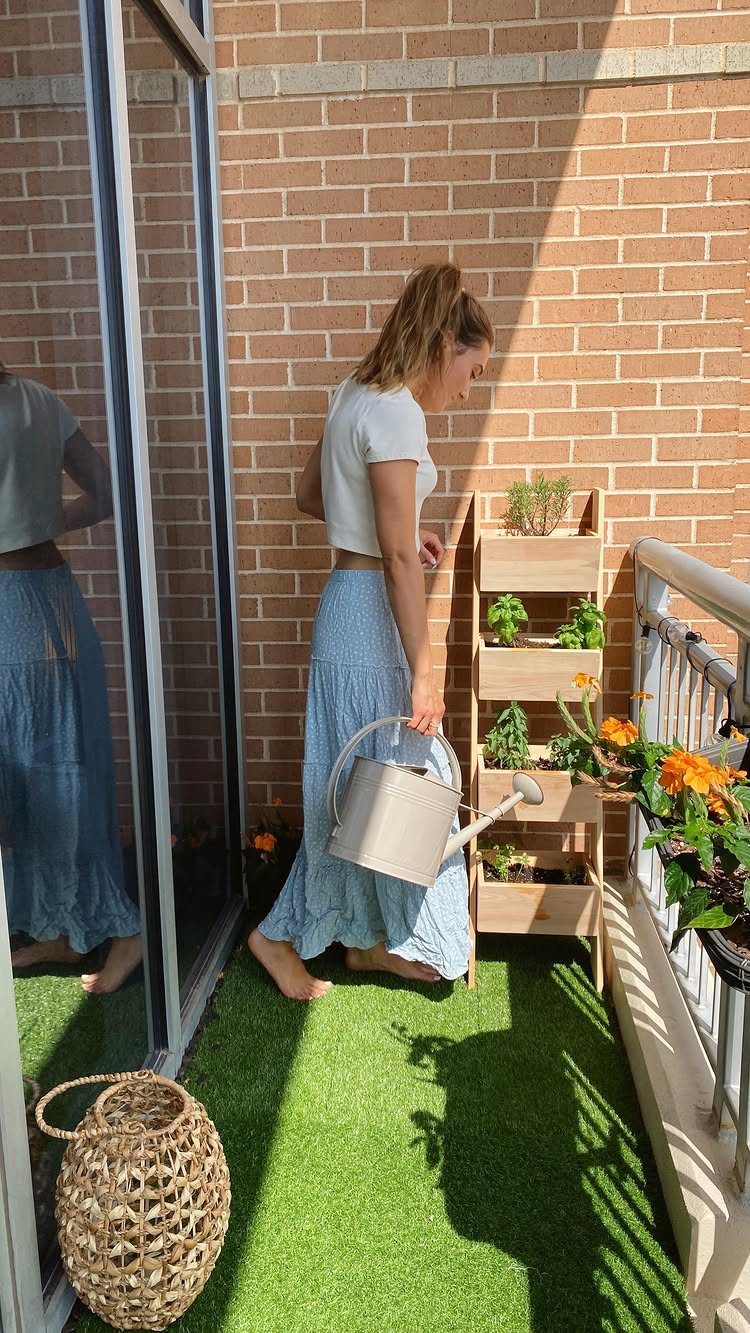
A narrow stand of shelves holds herbs without committing to a single permanent installation. Watering on artificial turf tells you this lives on a rental balcony where drilling into the railing is not an option.
Freestanding tiers let you chase sun. I move mine twice a year, March and September, when the angle shifts enough to matter.
The trade is stability: a tall narrow stand catches wind like a sail. Weight the bottom shelf with a heavy ceramic pot, or stake the frame to the wall if your lease allows a single hole.
Wood softens and metal rusts; I have had better luck with powder-coated steel than with cedar in a tiered stand, because water drips from top to bottom and the lower shelves stay damp.
Drill extra drainage if the manufacturer did not, or your thyme rots while your mint prospers.

【Premium Quality】The clay pot made of top-quality clay and baked at 1796°F high temperature, each Terracotta Pots with pink paint features great durability. All packages have passed the 3-foot drop test to ensure the pots stay intact during delivery.

【What You Get】 6 pack of 6 inch high-fired terracotta pots, 6 plastic saucers, and 6 pot meshes. Terra cotta pot dimensions: 6” (top diameter) x 5.3” (height) x 3.8” (base diameter). Saucer dimensions: 5.2” (top diameter) x 1” (height) x 4.6” (base diameter). Flower pot hole conical mesh pad: 2.9”(diameter )* 2.1”(height) – all designed for seamless compatibility.

【Breathable Material】These terracotta pots made of premium quality clay and beneficial for plant root respiration, avoid root rot. Especially suitable for succulent, herbaceous plants, and other flood prone plants
5. Spiral Herb Garden
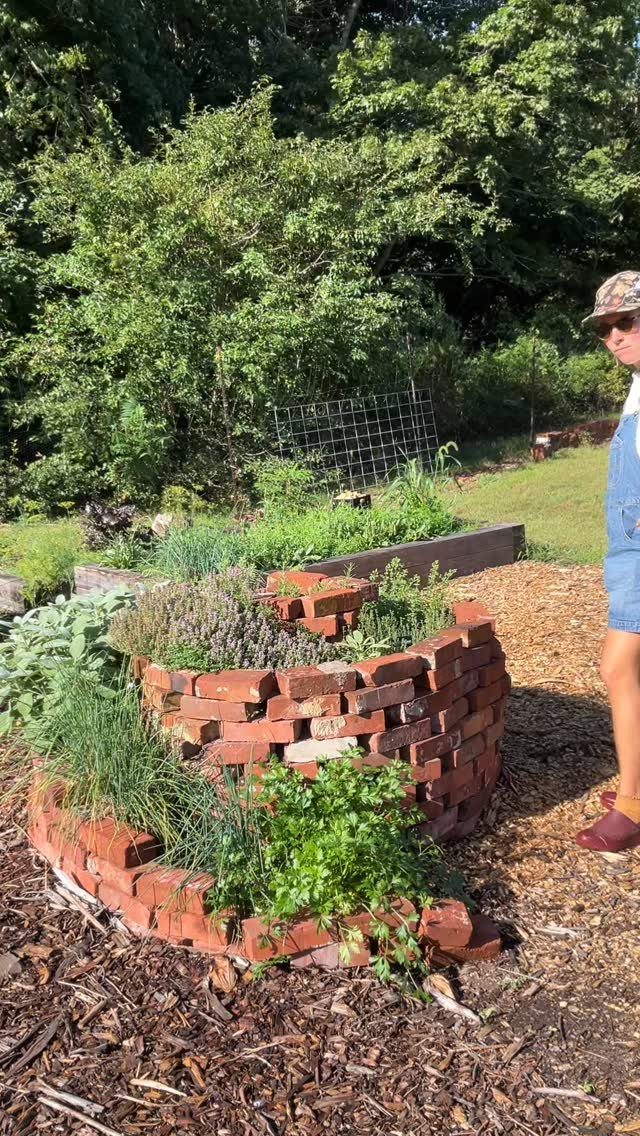
A spiral of stacked bricks creates microclimates in a single structure: dry and bright at the top, moist and shaded at the base, with gradations between.
The shape is not decorative whimsy. Water flows downward; sun hits the south-facing outer edge harder than the inner curve.
Plant oregano and lavender at the peak, mint and parsley where the base stays damp. The spiral puts every plant within arm’s reach from outside the structure, so you never step into soft soil to harvest.
Selecting rocks takes longer than stacking them, so budget your afternoon accordingly. Bricks are faster, more uniform, and easier to source free from demolition sites.

Sturdy and Stable: The frame of the vertical garden planter is made of high-quality metal material to create a more stable growing environment for your plants. The drainage hole at the bottom can drain excess water to ensure the soil can breathe.


15 HEIRLOOM SEED PACKS - Basil (Ocimum basilicum), Chives (Allium schoenoprasum), Red Russian Kale (Brassica napus), 3 Lettuce types (Lactuca sativa), Nasturtium (Tropaeolum majus), White Onion (Allium fistulosum), Pak Choi & Tatsoi (Brassica rapa), Parsley (Petroselinum crispum), Radish (Raphanus sativus), Alpine Strawberry (Fragaria vesca), Swiss Chard (Beta vulgaris), Thyme (Thymus vulgaris)
6. Herb Garden Sign
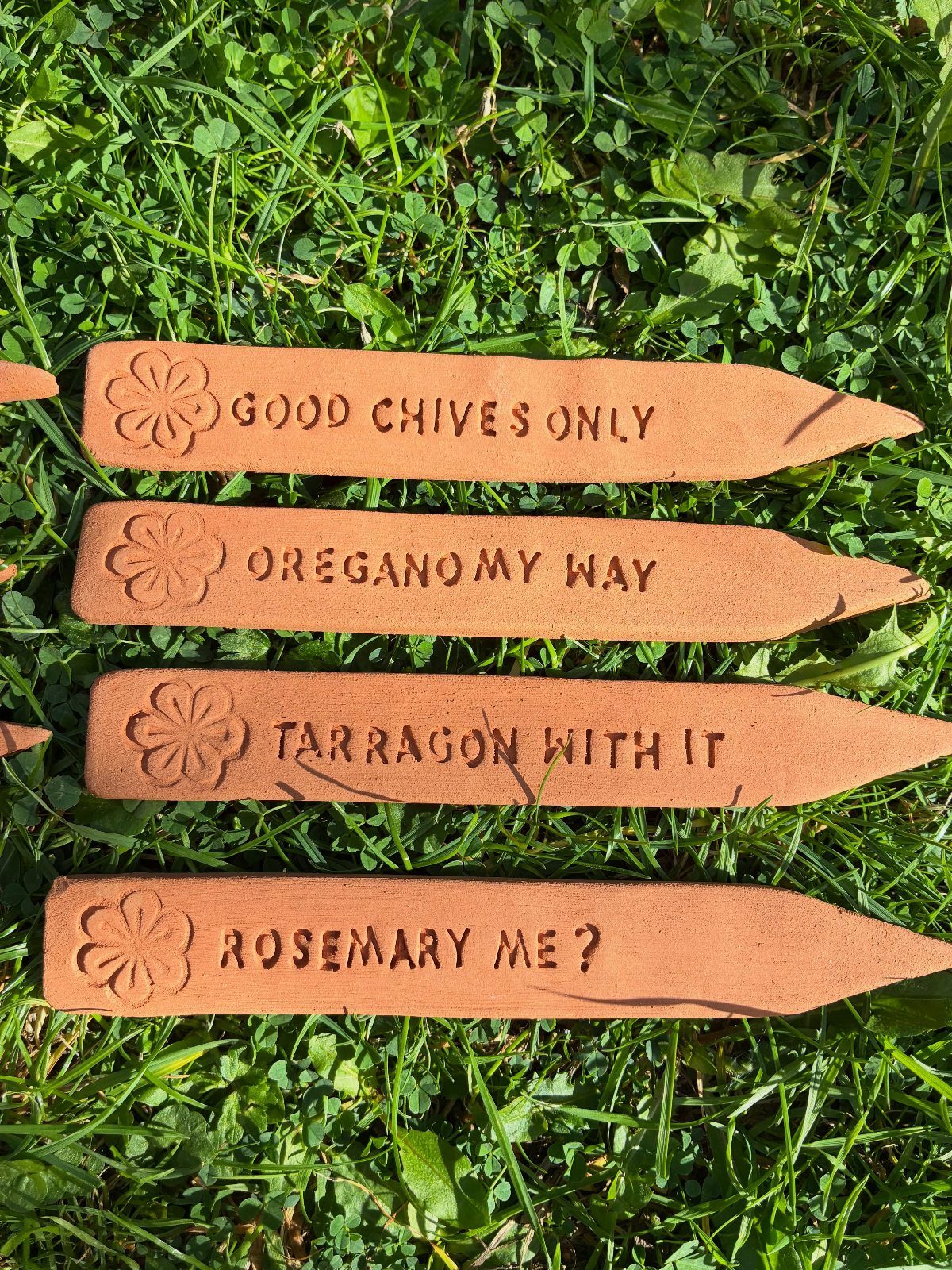
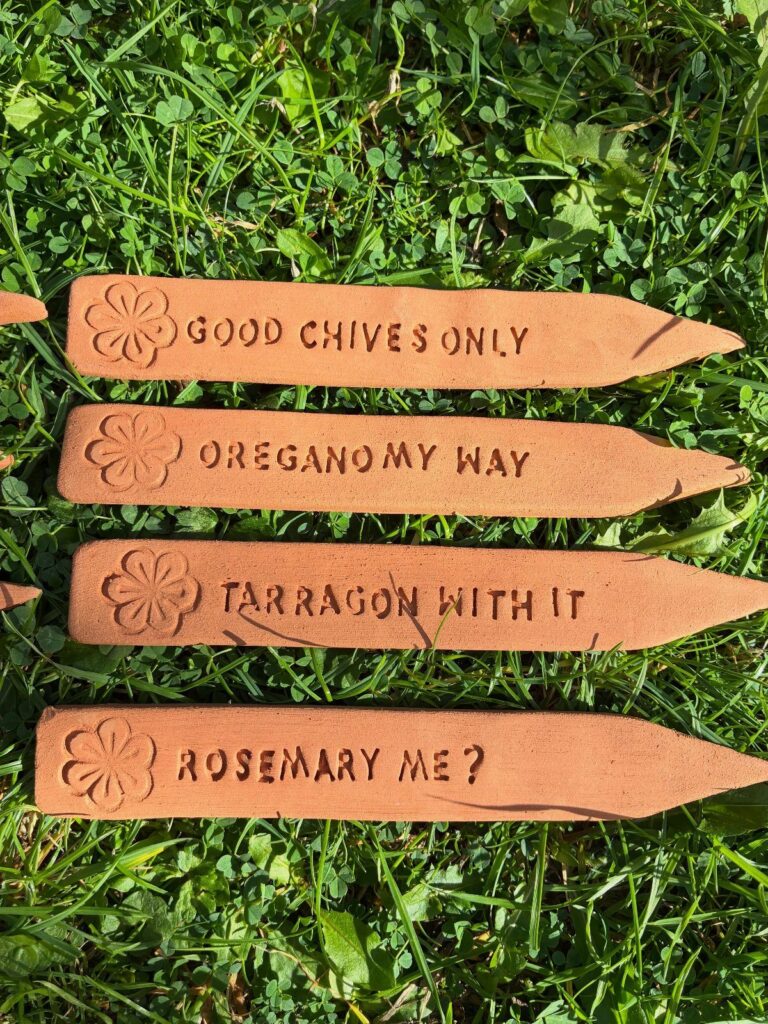
Stamped terracotta stakes with herb puns add pure personality, but the function matters too.
When you grow multiple kinds of mint and several basils, you forget which is which by summer, and "the fuzzy one" is not a reliable identifier once friends start asking for cuttings.
You can get the same result with polymer clay and a permanent marker if you do not have kiln access.
The pun format works because it is short; "OREGANO MY WAY" fits a 4-inch stake where a full plant name would crowd.
I would make these in winter, when the garden is planned but not planted, so the stakes are ready when seedlings go in.
Waiting until May means you are labeling in haste while actual gardening tasks compete for attention. Store them indoors off-season; terracotta weathers and the lettering fades faster than you expect.

【Automatic Watering System】: This vertical garden planter has an automatic watering pot that will automatically water the plants every few days, saving you the hassle of daily watering and saving time. Also a thoughtful gift for busy people or working moms.

4 Tiered Hanging Herb Garden Set: the package includes 1 piece of 4 tiered hanging vertical planter shelf, suitable for decorating kitchens, living rooms, offices, balconies and other places, and 16 pieces of plants pots, ideal for growing herbs, cacti, and so on; Please note that we provide you with non marking nails and hooks for easy hanging

7. Cinder Block Planters
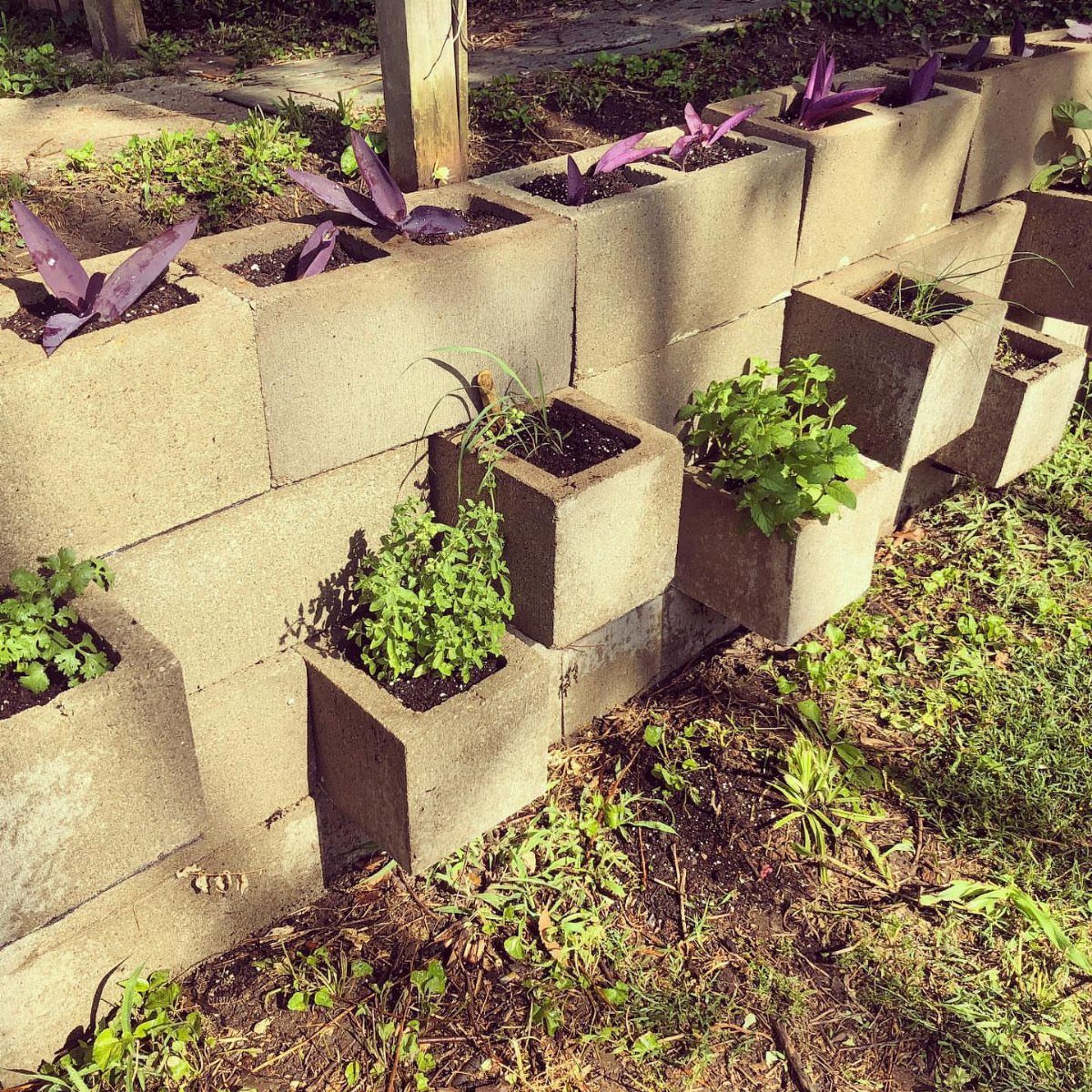
Cinder blocks stack into a corner wall with some turned sideways to hold soil, turning industrial leftovers into planting pockets.
The hollow cores fill with potting mix; drainage happens through the open bottom if you set them on gravel, or you drill extra holes if the corner stays flat.
Staggering the courses locks the wall together without mortar, though a level base matters more than it looks, one corner settling throws the whole run off.
Used blocks run a dollar or two each, and purple-leafed plants show you are not limited to green herbs.
The concrete pulls heat all day and releases it after sundown, which extends the growing season slightly in fall and starts it earlier in spring.
Weight adds up fast; a wall that tall is moving toward a ton. Plan the spot before you stack, because disassembly is not casual.

Large Size and Wood Combination: MIXC raised garden beds is made of untreated fir wood, which resists warping and splitting over time better than cedar. The support part is made of Pinus radiata with better load-bearing properties. Dimension: 48”(L) X 24.4”(W) X 31”(H). With 5-6 cubic feet of space and a 9-inch depth, our garden bed offers generous room for your plants flowers and vegetables to breathe and thrive outdoors

Strong, Stable Raised Beds: Designed for raised beds 16–24" tall, these 15" corner brackets reinforce each corner to help create stronger, more stable garden beds with room for deeper soil and healthier root systems

DIMENSIONS: 48 in. W x 48 in. D x 12.6 in. H
8. Pallet Herb Garden
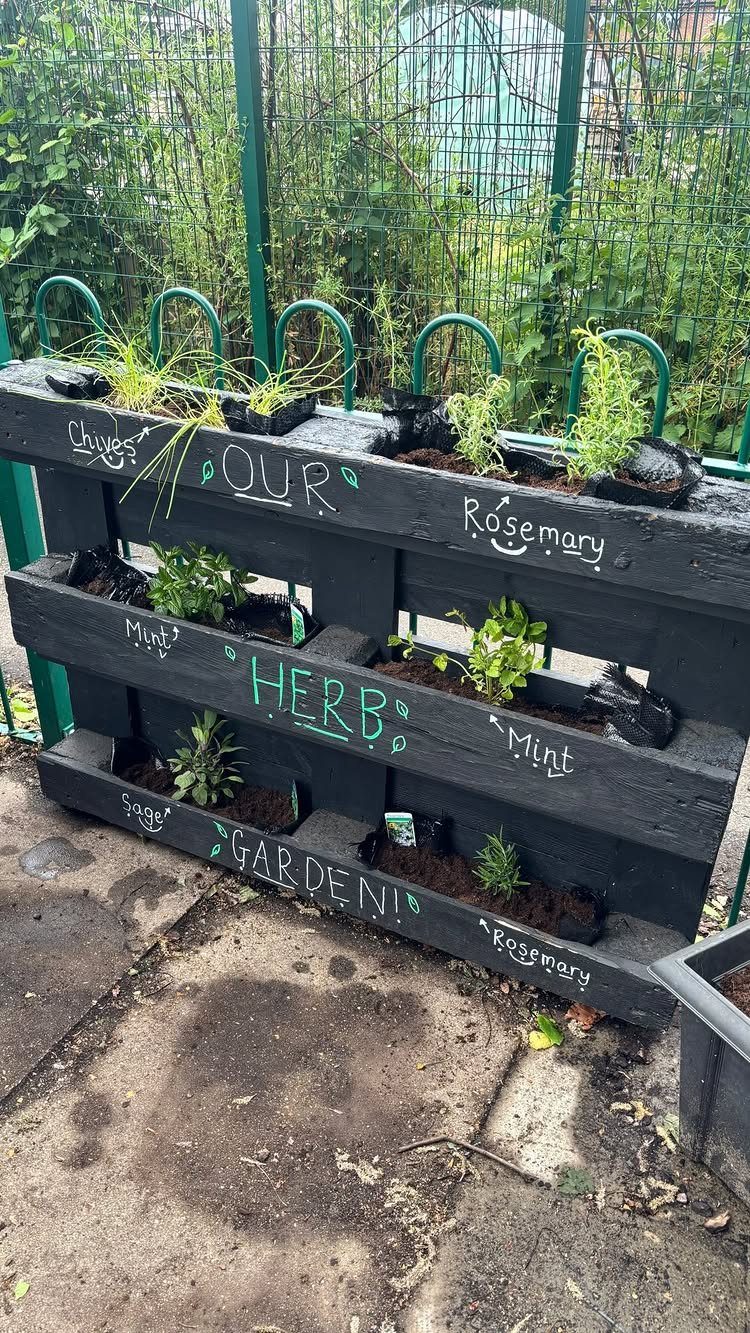
A pallet leaned against a fence becomes vertical real estate for herbs in small bags or pots lashed to its rungs.
Black paint is not just for looks; it slows rot and gives a uniform backdrop that makes green foliage read as deliberate design.
Chalk labels wipe clean when you swap plants, which you will, because thyme outgrows its bag faster than sage does.
Either way, weight concentrates at the top; secure the pallet to the fence with 2 brackets or it leans forward by August.
Free pallets come with a warning: look for the HT stamp, meaning heat-treated rather than chemically treated. The others carry preservatives you do not want against food plants.
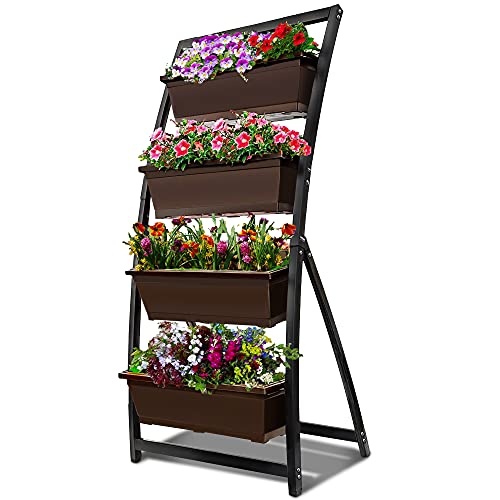
✓ EASY TO ASSEMBLE w/ PERFECT TIGHT SPACE SOLUTION - with easy to follow instructions included, the assembly of your garden planters will be quick and simple. Each hanging plastic box container is 27"; provides adequate room for your plants without wasting precious space in a small apartment, balcony, or any outside area. Grow a variety of herbs, seeds, flowers, succulents, or vegetables in just a single area at home.

【Space-Saving Design】This vertical raised garden bed offers 4 separate planter boxes, creating ample organized space to grow herbs, flowers, vegetables, succulents, or small fruits—all in one compact setup. Ideal for limited areas like balconies, patios, or indoor living rooms, it lets you cultivate a diverse garden without overcrowding

【Smart Lighting System】 Features full-spectrum grow lights with adjustable brightness and built-in timer (3/9/12h settings). Simulates natural daylight cycles to match your plant's specific stage—no more moving your plants around to absorb sunlight. This plant stand with grow light is an ultimate hands-free solution for busy plant parents.
9. Herb Garden Labels
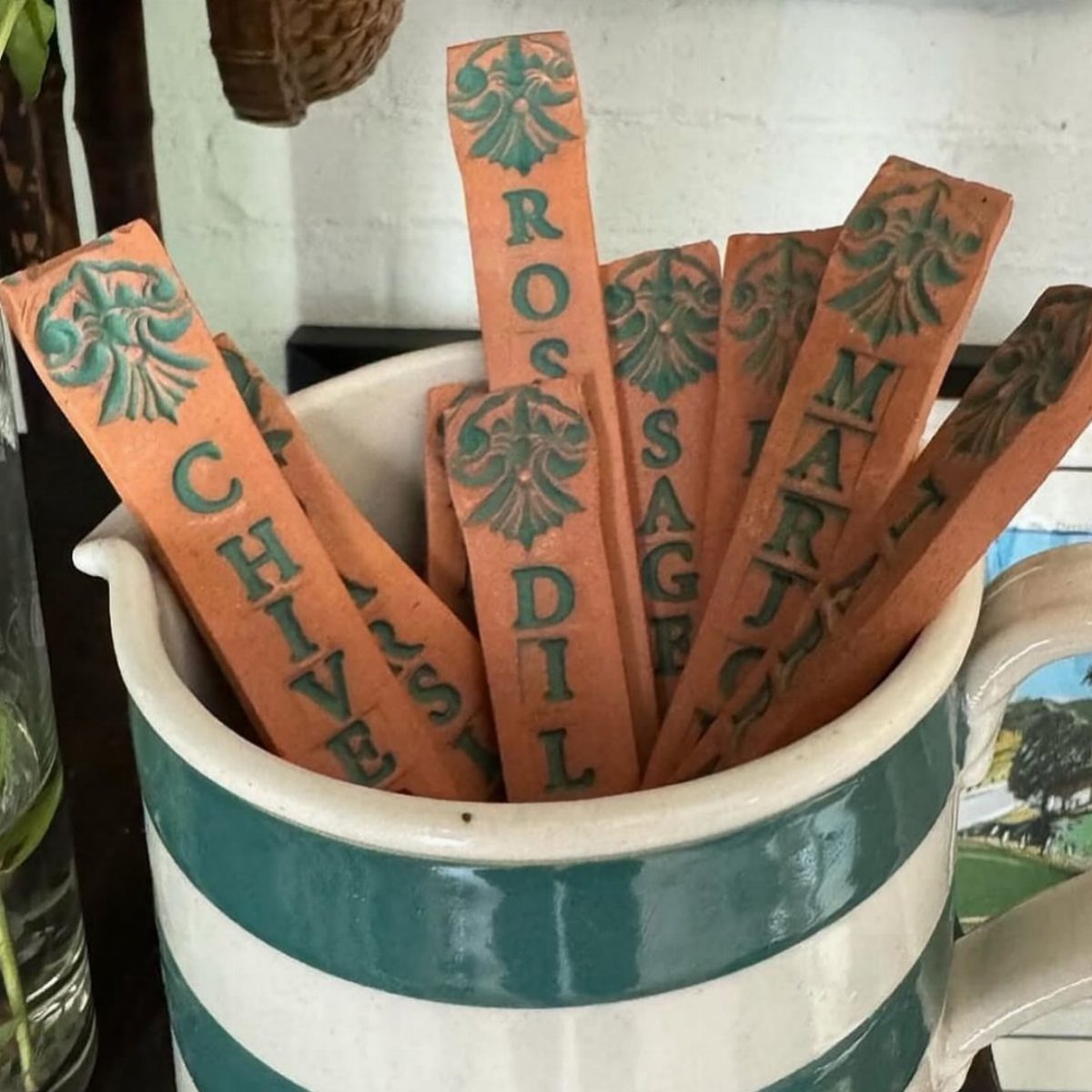
Stamped terracotta stakes keep names legible longer than popsicle sticks, which split and fade by July.
The green lettering is stamped into the surface, something a craft shop can do with a small metal stamp set if you do not own one yourself.
Polymer clay works too, shaped and lettered by hand, though the bake time adds an hour to the project.
I make labels in late winter, when the garden exists only on paper and patience is easier to find.
Waiting until planting day means rushed handwriting and names that wash off in the first rain. Store them indoors between seasons; terracotta absorbs moisture, and freeze-thaw cycles flake the surface after a while.
That width is enough for most herb names, though "cilantro" wants checking before you commit to the stamp.

★ 【DIMENSIONS】 Perfect size pots where you can fit different plants such as herbs, succulents, small cactus, flowers and much more. Planters size: 6*6*5.2 inches(L*W*H), Trays size: 5.1*5.1*1 inches(L*W*H).

Premium Quality: These terra cotta pots are constructed of high-quality clay, which allows more water and air to circulate freely within the pots while yet maintaining their structural integrity. It’s an excellent choice for cactus, succulents, and other plants that thrive in dry soil, and it’s also appropriate for areas with lower temperatures. The high air permeability of the pot walls helps the soil to dry out more quickly

★【TERRACOTTA】 Yishang terracotta pots made of Top-Quality clay and baked at 1796°F high temperature, each Terracotta Pots features great durability and crack resistance. All packages have passed the 3-foot drop test to ensure the pots stay intact during delivery.
10. Balcony Corner Potted Garden
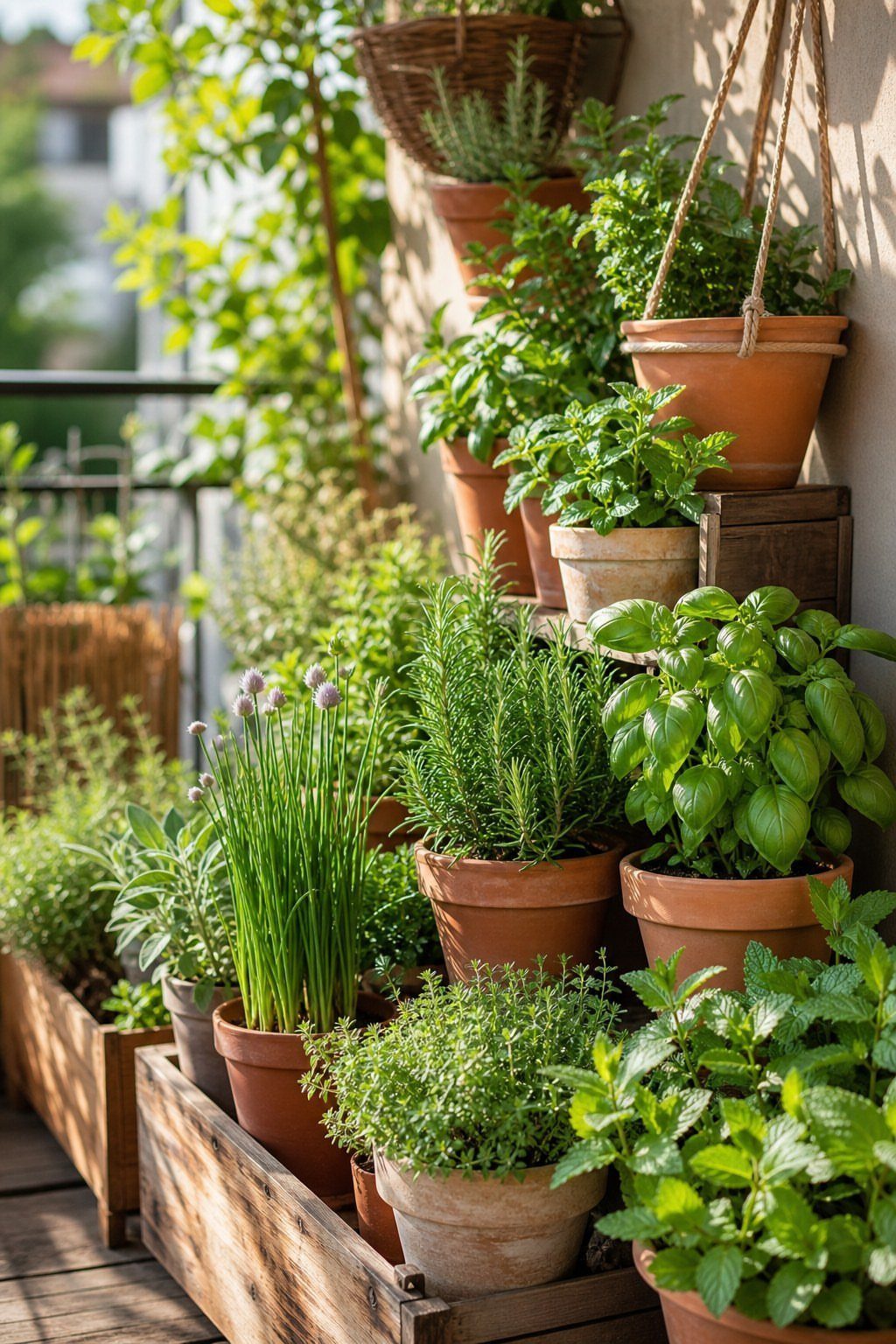
A balcony corner layers pots at different heights, some on the floor, some hung, some perched on crates, until every surface grows something.
Terracotta and wood warm up a space that concrete and railing otherwise read as temporary.
Grouping by water need matters more here than in-ground planting, a single missed day in August cooks a pot that would survive in garden soil. Saucers under terracotta protect the wood below; without them, repeated watering stains the planks.
Wind strips moisture faster than you expect 3 floors up. I check weight before hanging anything, a saturated pot of soil runs heavier than the hook rating assumes.
Outdoor cushions and a rug extend the hours you spend there, though I bring textiles in when rain threatens rather than buying specially treated ones.


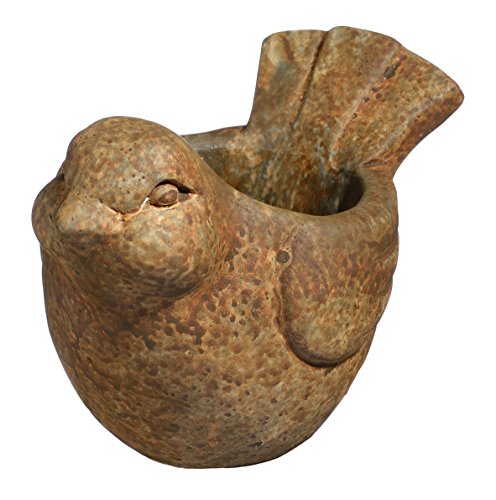
CONTEMPORARY DESIGN: This animal plant pot adds an adorable touch to any space. You can use this cute planter as a display piece indoors on your deck, desk, or table or outdoors on your porch or patio.
11. White Concrete Corner Planters
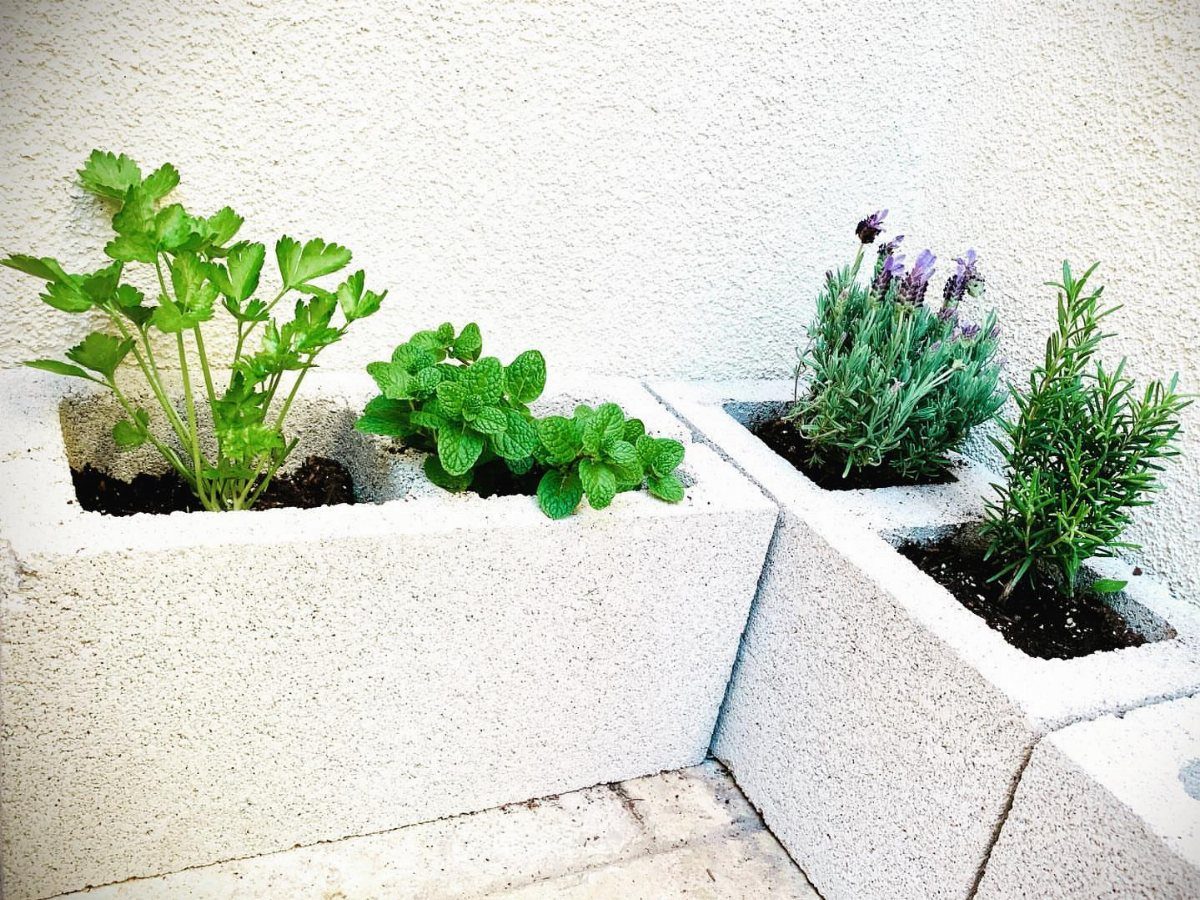
White concrete planters set in a corner read as modern built-ins rather than afterthoughts.
The material is heavy, stable, and indifferent to weather, which matters in a corner where rain pools and sun reflects off 2 walls.
Mint and parsley share the photo, one thirsty, one nearly so; I would separate them into different containers rather than sharing soil, or the mint takes over while the parsley sulks.
Making these yourself requires a mold and a curing week; buying them ready-made trades money for time. Either way, the thermal mass of concrete buffers roots against sudden temperature swings, a slight advantage over terracotta in spring and fall.
Drainage must be provided; concrete holds water unless you drill before planting.
12. Backyard Corner Garden Beds
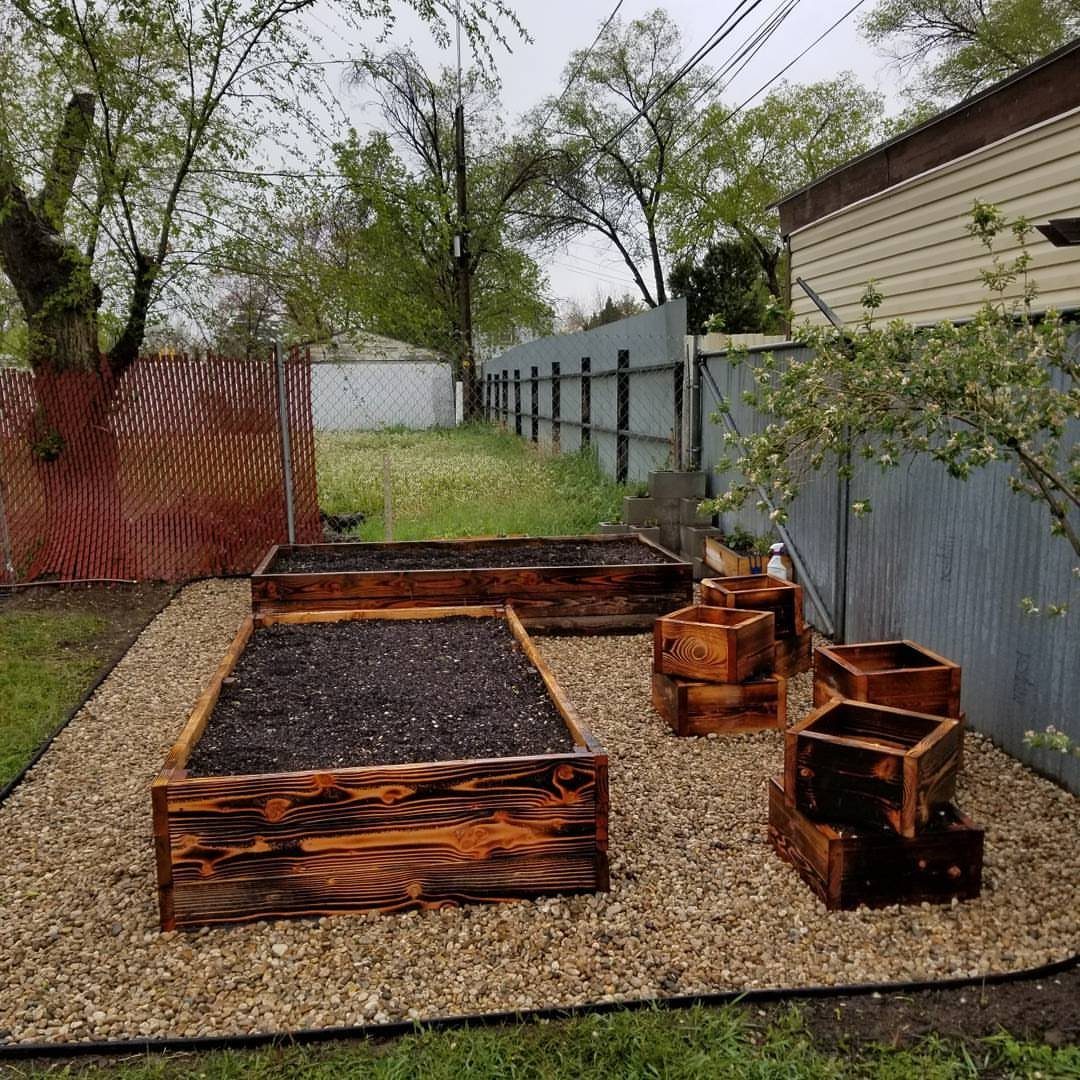
Raised beds set on gravel in a backyard corner lift the growing surface to a comfortable height and keep wood away from soil contact that hastens rot.
The charred finish is shou sugi ban, a Japanese technique that burns the surface to create a moisture-resistant skin without chemical treatment.
It lasts longer than raw cedar and grays beautifully, though the initial firing takes an afternoon and demands attention to safety.
Gravel below drains away splash and keeps mud from forming where you stand to weed. The matching smaller boxes suggest a system, herbs you harvest often kept within easy reach, deeper-rooted plants in the main beds.
Ikea rocking chairs appear in the background of the original source, a detail I would skip, but the gravel base and raised construction are sound for anyone with a fence corner and a Saturday to level the ground.
Choosing the Right Herbs
Grow what you will actually cut and use.
A pizza garden of basil and oregano, a grilling station with rosemary and thyme, or a drink corner with mint and lemon verbena, each makes sense only if those flavors match your cooking.
Lemongrass and Thai basil reward anyone who cooks Asian flavors regularly; otherwise they become tall, fragrant decorations you water out of guilt.
Perennials such as thyme, oregano, and mint return each year, which spreads cost across seasons.
Annuals like basil and cilantro demand fresh seed or seedlings every spring. Mix both in a corner bed and the perennials anchor the space while annuals rotate through.
Meditanean herbs share a preference for lean, gritty soil that drains fast.
Group them by water need rather than by appearance. Thirsty basil beside drought-happy lavender means one fails no matter how carefully you water.
Maintenance Tips
Regular harvesting keeps herbs bushy and productive.
Snip small amounts often and the plant responds with denser growth. Let it go untrimmed and stems turn woody, leaves sparse.
Group plants by water need so one corner does not drown while another parches.
Prune before flowering when you can.
Once energy shifts to bloom, flavor in the leaves often dulls. The exception is if you want seed, coriander from cilantro or dill heads, in which case sacrifice one plant to the purpose.
Sunlight Requirements
Most herbs want more than 6 hours of direct sun daily. Parsley, chives, mint, and cilantro manage on four to six hours, which makes them candidates for the partly shaded side of a corner or beneath a balcony overhang.
A south-facing windowsill indoors gives the brightest light, west-facing second best.
6 hours is the threshold for rosemary, oregano, and mint grown inside. Less than that and growth stretches thin, leaves small and pale.
Rotate pots a quarter turn weekly if light enters from one side. The stem bends toward the window and straightening it back takes months, not days.
Soil and Drainage Needs
Well-draining soil matters more than rich soil for most herbs.
Mediterranean natives evolved in lean, gritty ground and suffer where roots sit wet. Add coarse sand or fine gravel to standard potting mix if your corner holds moisture.
Raised beds and containers solve drainage by definition; in-ground corners need more attention. Slope the soil slightly, break up compaction, or accept that clay soil limits you to mint and its relatives.
Newly transplanted herbs of any kind need regular moisture until roots establish. Drought tolerance begins only after that.
Lavender, rosemary, yarrow, and santolina all toughen up once their roots are in and can take a dry spell without complaint. Catmint, oregano, and thyme follow close behind.
Rocks and walls in a corner garden reflect heat and speed evaporation from soil, which helps drainage but increases watering frequency. Account for both when you plan.
Frequently Asked Questions
What is the best layout for a herb garden?
The herbs that want the same amount of water and sun should live together, not the ones that look nice side by side.
Thirsty basil, parsley, and cilantro want richer soil and steady moisture, while rosemary and thyme prefer leaner, drier conditions.
Containers or divided planters let you give each group its own soil and watering schedule, and they keep spreading herbs like mint from overrunning neighbors.
What herbs should not be planted side by side?
Keep mint apart from everything else; its roots run and it will overtake slower neighbors.
Thirsty basil and drought-happy lavender also make poor roommates, since matching one plant’s need starves or drowns the other. Group by water preference and you avoid most bad pairings.
What can I put in the corner of my garden?
A raised bed, vertical planter, or sitting nook all work.
A triangular raised box fits the geometry without wasting square footage. A wall of mounted planters turns the corner vertical, and an L-shaped bench below it creates a place to sit among the plants.