These 8 vegetable garden designs run from a free afternoon with bamboo poles and zip ties to the higher cost and daily attention of a hydroponic tower with a timed pump.
The right one depends on whether you have ground to plant in, a narrow patio between walls, or only balcony railing space and a building association to check.
[link-whisper-related-posts]1. Trellises for Climbing Vegetables
Bamboo trellises turn the air above your beds into usable growing space. I like the A-frame style for cucumbers and pole beans because it creates a shaded pocket underneath for lettuce or spinach that would bolt in full summer sun.
Wire mesh lashed to bamboo poles with zip ties gives the vines something to grab.
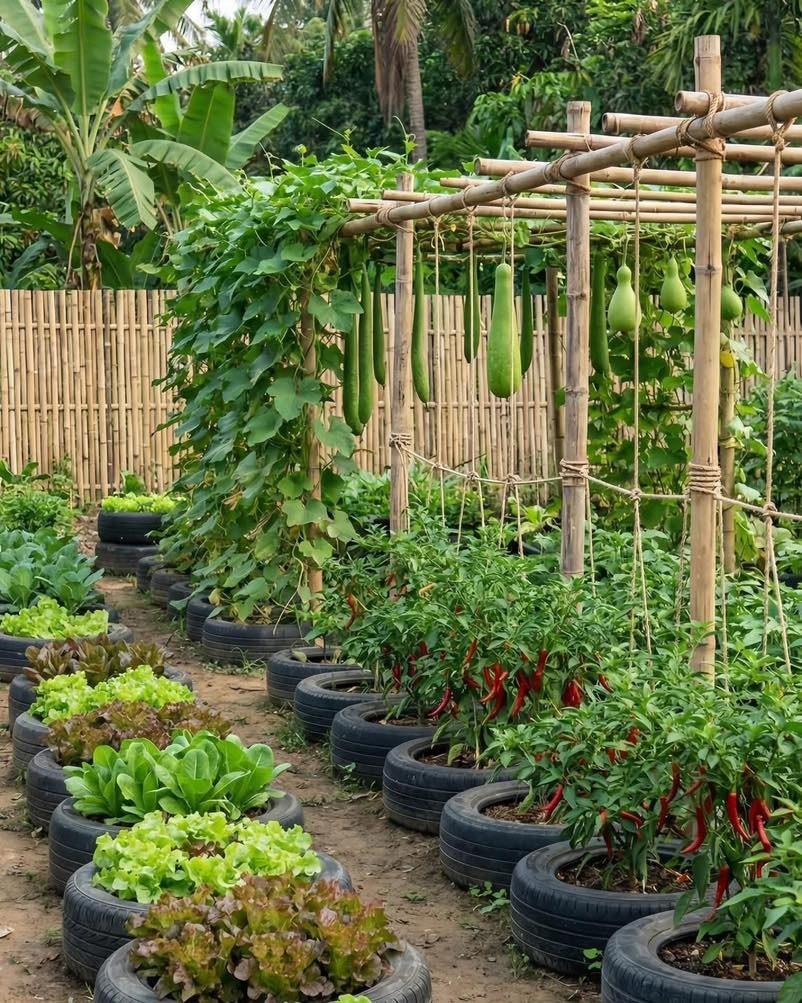
A frame overhead supports gourds while tires below hold peppers and leafy crops. Recycled tires work as planters if you drill drainage holes and avoid root vegetables where sidewall chemicals might matter.
A trellis this size goes up fast with just poles and mesh. The shade underneath is the cost; plan what sits beneath it.

🌑[Plant Growth Support]:Garden plant trellis are committed to helping your indoor for potted plants and adds to the natural beauty. As plants grow, the houseplant trellis takes the form of a ladder to help your plant climbing and growing.
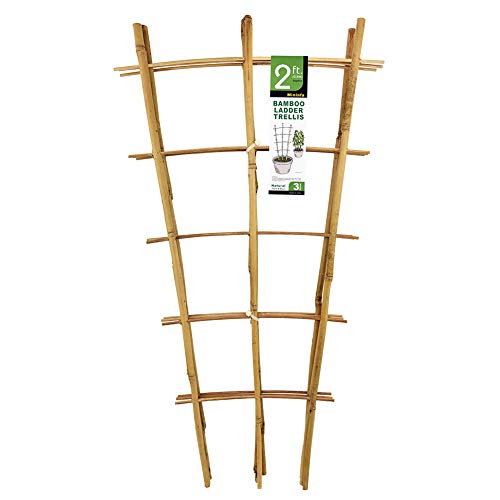
QUALITY – Our premium bamboo trellis are all handmade, using the high quality bamboo from the subtropical monsoon climate region. Very strong and flexible, durable for several seasons, so our potted plant support won’t be easily blown down by the wind, climbing trellis can help taking some weight of your plants like tomatoes or peppers. Bamboo is eco-friendly materials. All bamboo canes are hand selected and hand treated.

【Natural bamboo】Made of natural renewable bamboo material, handmade bamboo round-shape to ensure the product is beautiful and strong, after heat fumigation treatment, effectively prevent cracking, long life.
2. Use Raised Beds
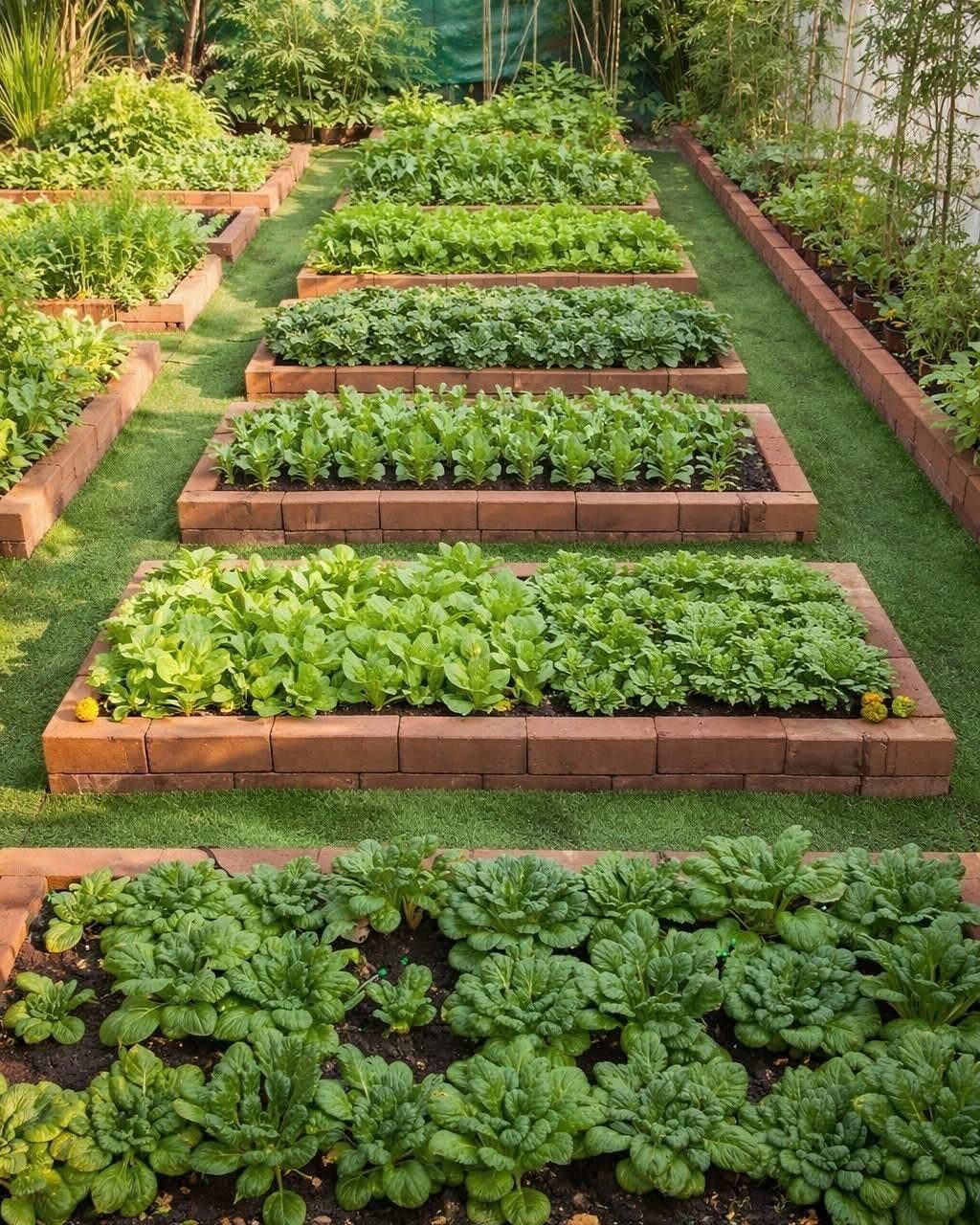
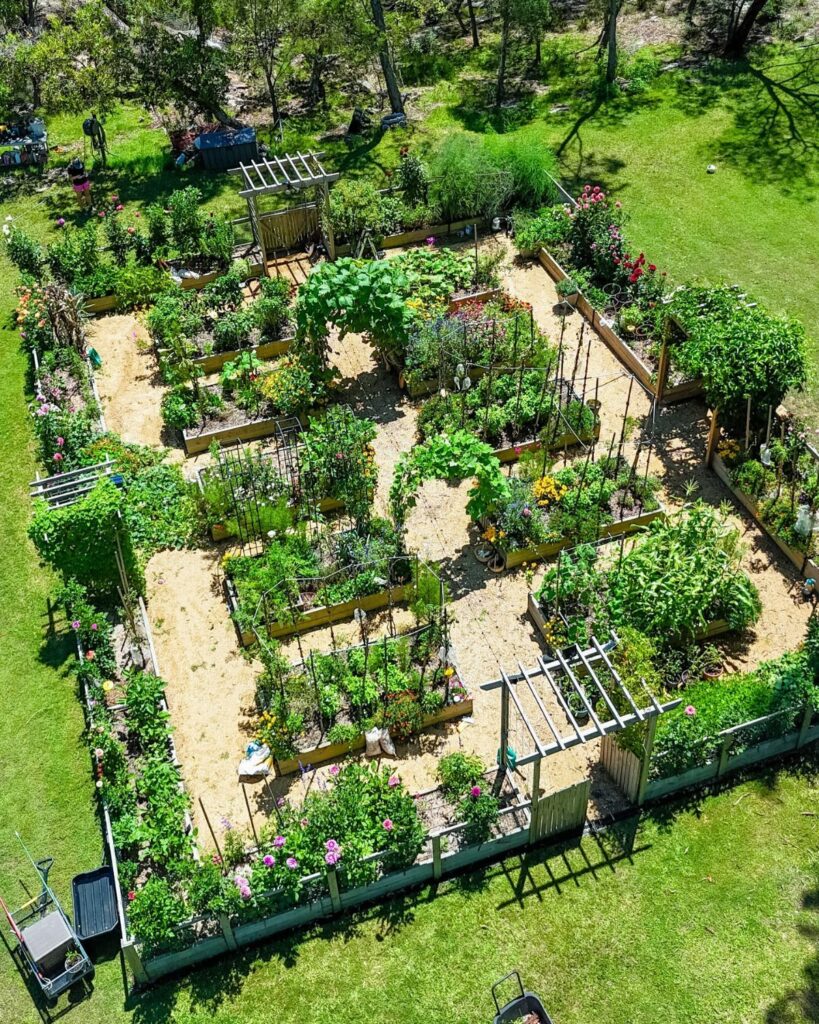
Brick raised beds warm faster in spring and drain better than native clay. Several rectangles on grass match a layout I have seen work well: room for multiple beds in a modest footprint, with space to expand later.
Fill them with a mix of compost and topsoil rather than digging into whatever is below. You control the growing medium from day one, which matters when your ground is compacted or contaminated.
Brick costs more than cedar or galvanized steel but outlasts both. The photo beds sit flush to lawn level, so mowing stays simple and the garden looks built-in, not dropped there.
Compact 4×7 raised bed divided into 1×1-foot squares for easy planning, planting, and harvesting.
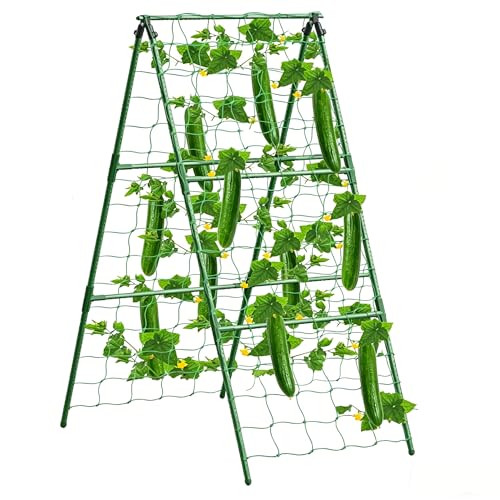
【Package included】:This Trellis for Climbing Plants Outdoor comes complete with everything you need to get started: 17pcs metal stakes, 8pcs T shape connect pipe, 2 A-shaped connectors, and a 0.9x1.8meter plant net.

The trellis for climbing plants outdoor measures 47” tall, 16” wide. Cucumber trellis with spiked leg caps for easy soil penetration.
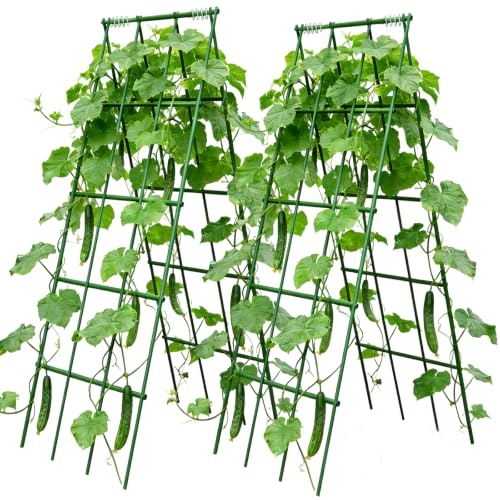
【No Assembly Required】Cucumber Trellis Out of the Box - From Packaging to Garden, Only 3 Minutes. While Other Bracket Kits Force You to Wrestle with More Than Ten Parts and a Wrench, Our No-Assembly-Required Bracket Panel Has Already Been Moved to the Garden for You, Providing a Simple and Quick DIY Erection Experience
3. Minimal Pathways
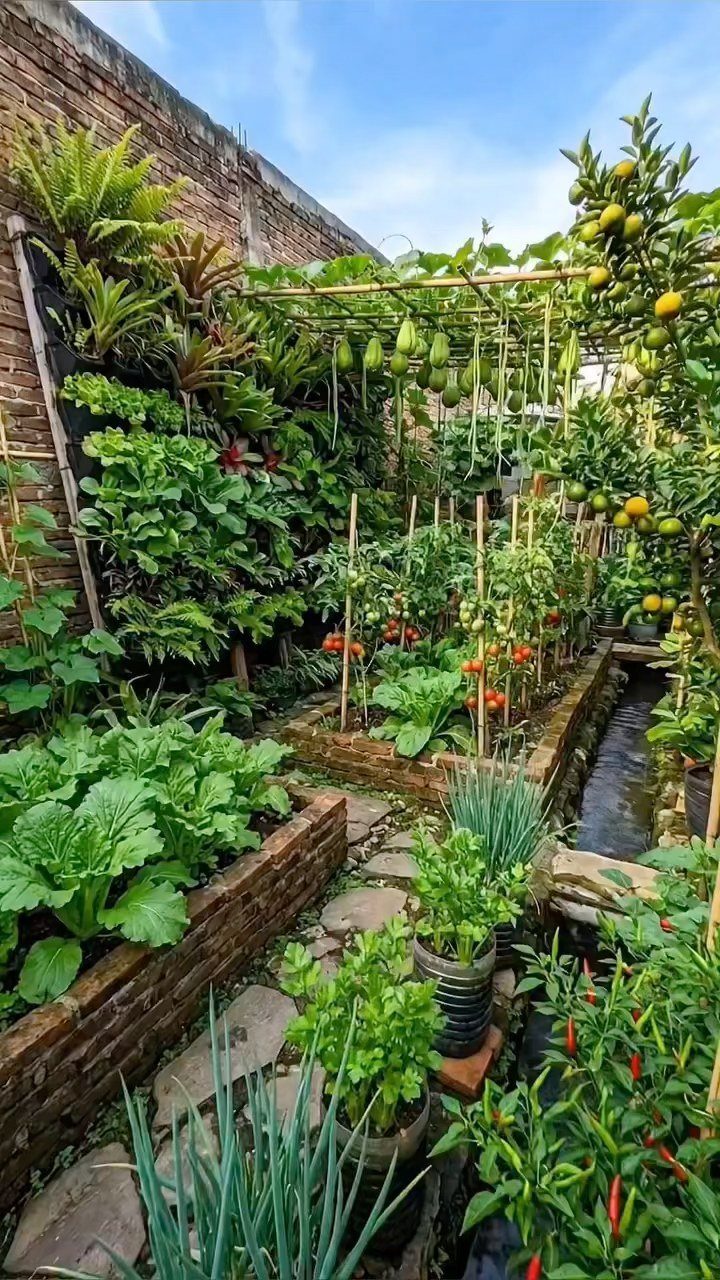
Stone paths alongside beds rather than through them recover more ground for planting than spacing rows tighter. The garden keeps access from the edges with no corridor cutting through the middle.
Dead-end paths that reach partway into a large bed work the same way. Picture a keyhole garden: one narrow entry, a turning circle, and you can reach most of the interior without sacrificing a full cross-path.
Path minimization and vertical growing compound; either alone helps, both together change what fits.
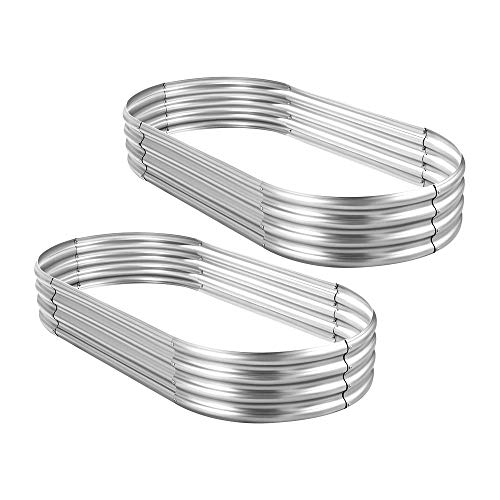
Each raised metal garden bed size: 4×2×1ft , 7Cu
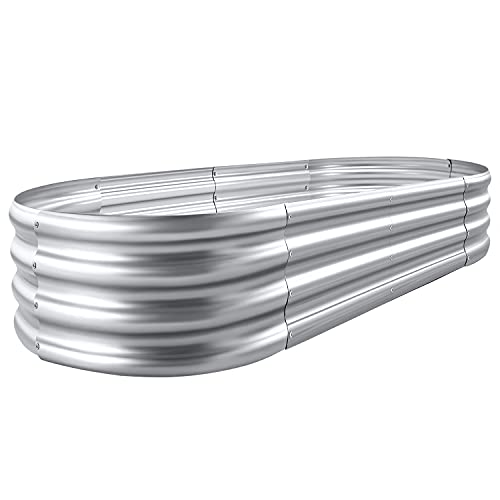
Each raised metal garden bed size: 4×2×1ft ,7.14Cu

Size: 60×29×11 in, 68 gallons of soil required.
4. Vertical Hydroponic Growing Towers
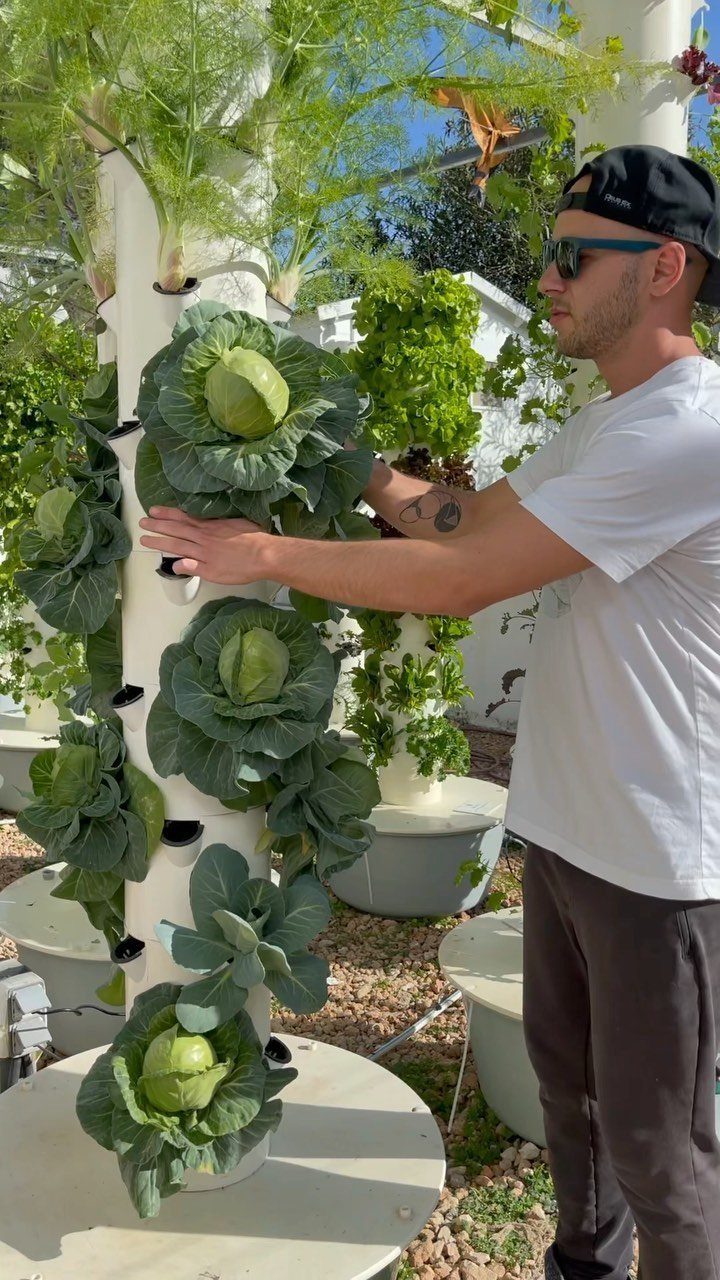
A hydroponic tower this tall turns one square foot of patio into twenty or more planting slots, all soil-free.
A pump on a timer circulates nutrient water from a reservoir at the base up through the stack of cups or pockets.
Cabbages and fennel fill this one, but lettuce, herbs, and strawberries do well too. Root vegetables do not; the cups are too shallow.
You need power nearby for the pump and some buffer against wind on a balcony.
The upfront cost runs higher than pots or a raised bed, and the system demands attention: pH checks, nutrient refills, pump failure is crop failure in July.
For someone with no ground at all, though, or soil too leaded or too paved to use, it solves the problem outright.

RUBBER STEPPING STONES: Elevate your outdoor space with these lightweight simulated flagstone rubber pavers that offer the timeless beauty of real stone without the heavy lifting.

WITH GROUND STAKES: Each round step stone measures 39.9cm in diameter and comes with six ground stakes to secure to the bottom. Each stake is 9.5cm long and when installed correctly they provide extra stability and help prevent movement, no shifting.

UNIQUE OUTDOOR WALKWAY SOLUTION: Elevate your garden, lawn, or backyard with BIRDROCK HOME Rubber Stepping Stones. These durable pavers create a functional and stylish walkway, enhancing your landscape while providing a solid and reliable surface to walk on.
5. Graph Paper Garden Layout Plan
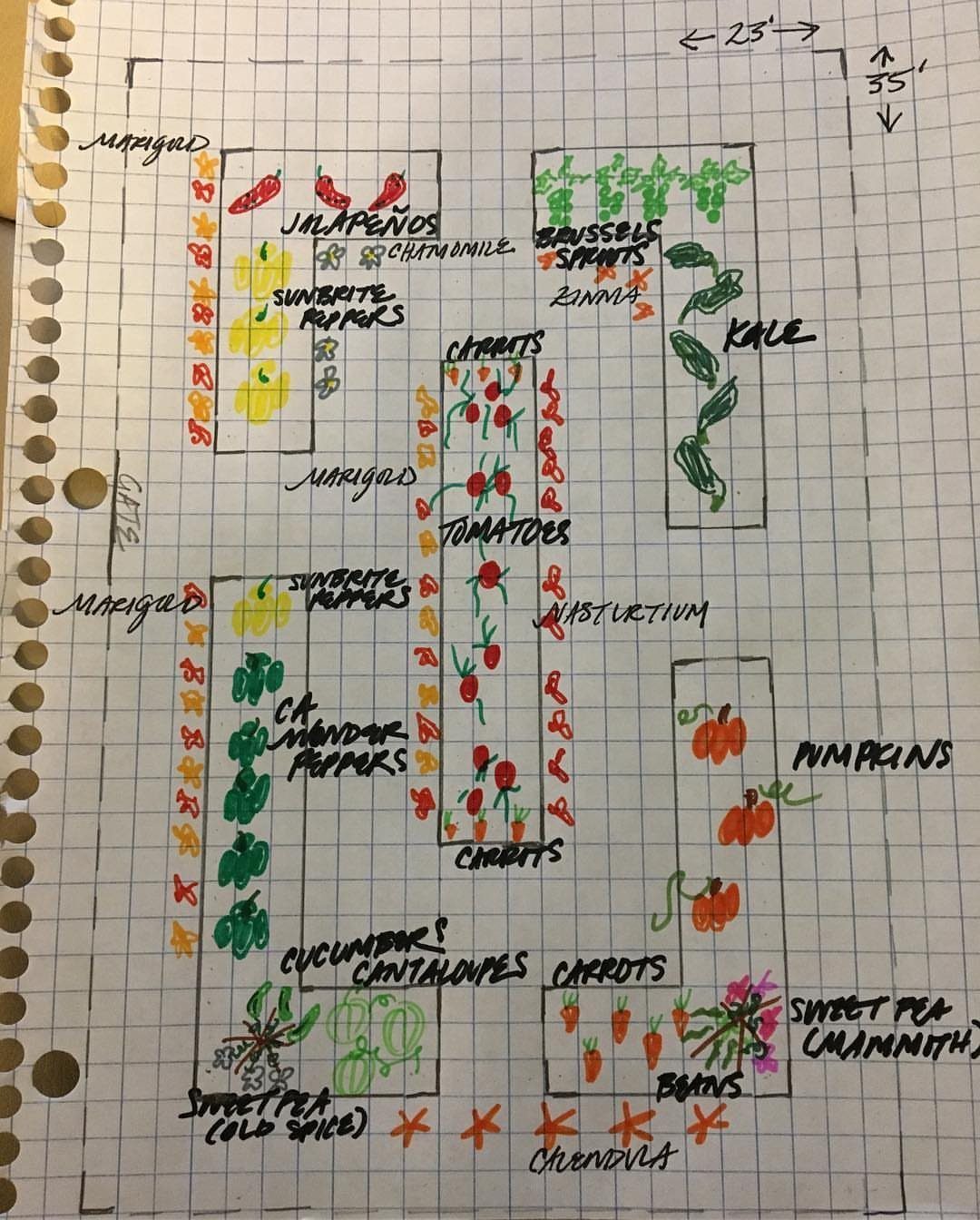
Graph paper forces you to assign real dimensions before you plant. The sketch labels jalapeños, tomatoes, kale, and carrots with measurements, which means the gardener already knows how many plants fit and where the hose reaches.
I draw beds to scale, one square per foot, then cut paper templates for crops I want.
Moving them around costs nothing. Digital tools duplicate layouts faster, but paper keeps me honest about space; I cannot zoom out and pretend I have more room than I do.
Decide sun exposure first, then path width, then what you actually eat. The rest is arranging until it fits.

【Multi-Scene Growing Solution】Professional hydroponic tower system for indoor/outdoor/commercial use, featuring corner-friendly design to maximize space efficiency in homes, apartments or greenhouses

【Compact and Space-Saving】The JESLED Hydroponic Tower fits in the space of a single pot and makes it easy for homes and classrooms to grow fresh food in a small space. In just a few weeks, you can grow up vegetables, herbs, and flowers from seed to harvest—without soil.(Best for beginners)
6. Balcony Container Garden Setup
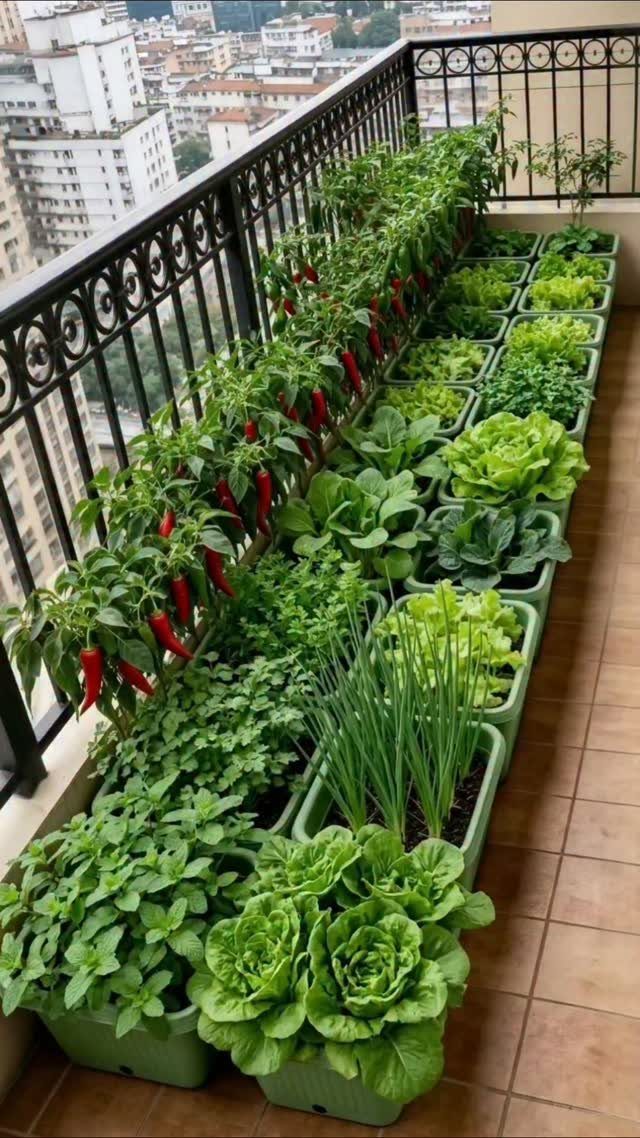
Rectangular containers lined along a balcony railing turn a city view into a kitchen garden. Lettuce, scallions, herbs, and peppers in green plastic boxes need no deeper soil than a window box provides.
Check your building rules first; some associations ban rail attachments or weight loads. Then check the railing itself, south-facing sun beats east, and wind at height dries pots faster than ground level.
Containers set along the balcony railing, not hung overhead, keep the weight low and the landlord out of your inbox.
Standard potting mix works; garden soil compacts and gets heavy. A tray underneath protects the neighbor below from drips.
7. Narrow Patio Garden Layout
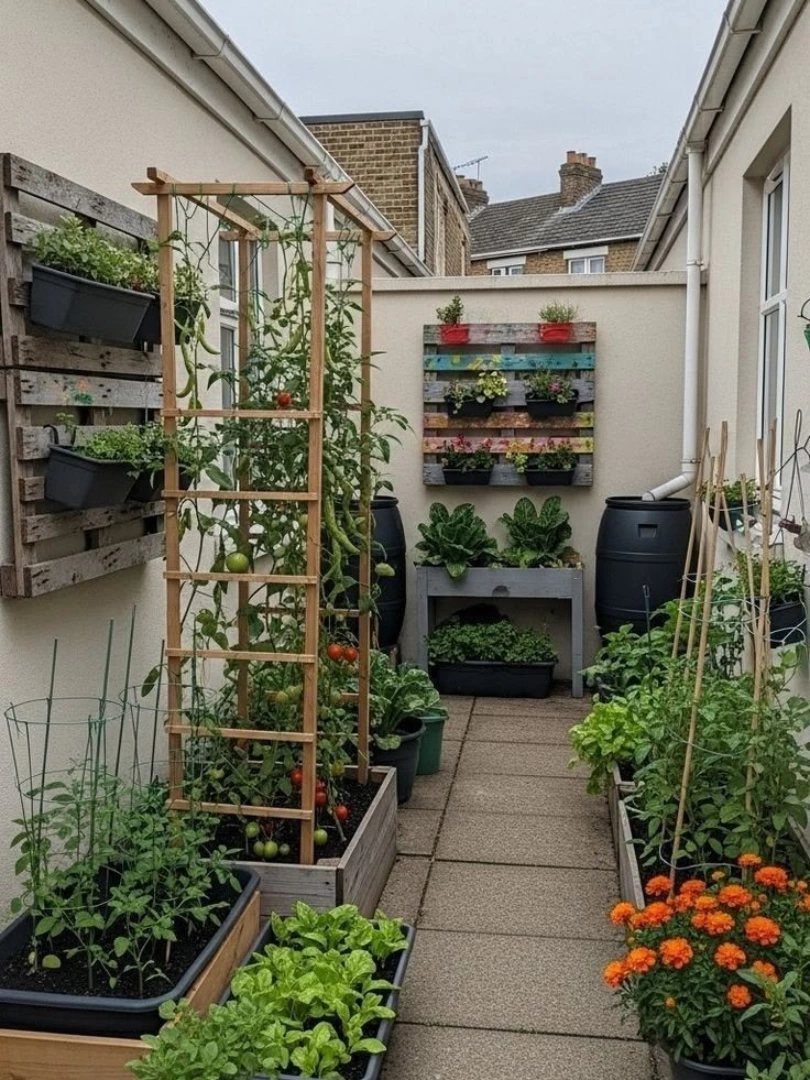
A narrow patio between walls is growing space if you treat the vertical plane as the main bed.
Wall-mounted pallet planters hang at waist height, raised planters line the paving, and trellises carry tomatoes upward so the footprint stays open for walking.
Rain barrels sit where downspouts already run, which matters because this layout crowds quickly.
Pots of herbs fill gaps that would otherwise collect leaves. The path stays single-file; you accept that when the alternative is no garden at all.
South-facing walls reflect heat and extend the season.
East or north, stick to lettuce and leafy greens that tolerate less sun. Check wall mounts for weight; wet soil in a pallet gets heavy fast.

【A-Frame Trellis】Our detachable Cucumber Trellis is widely used in gardens and backyards; It allows you to adjust the width as needed for compact storage; By utilizing vertical space, this Plant Grow Support elevates vines off the ground, maximizing sunlight exposure for better quality fruits and vegetables while boosting overall harvest and yield
8. Vertical Wire Tower Planter
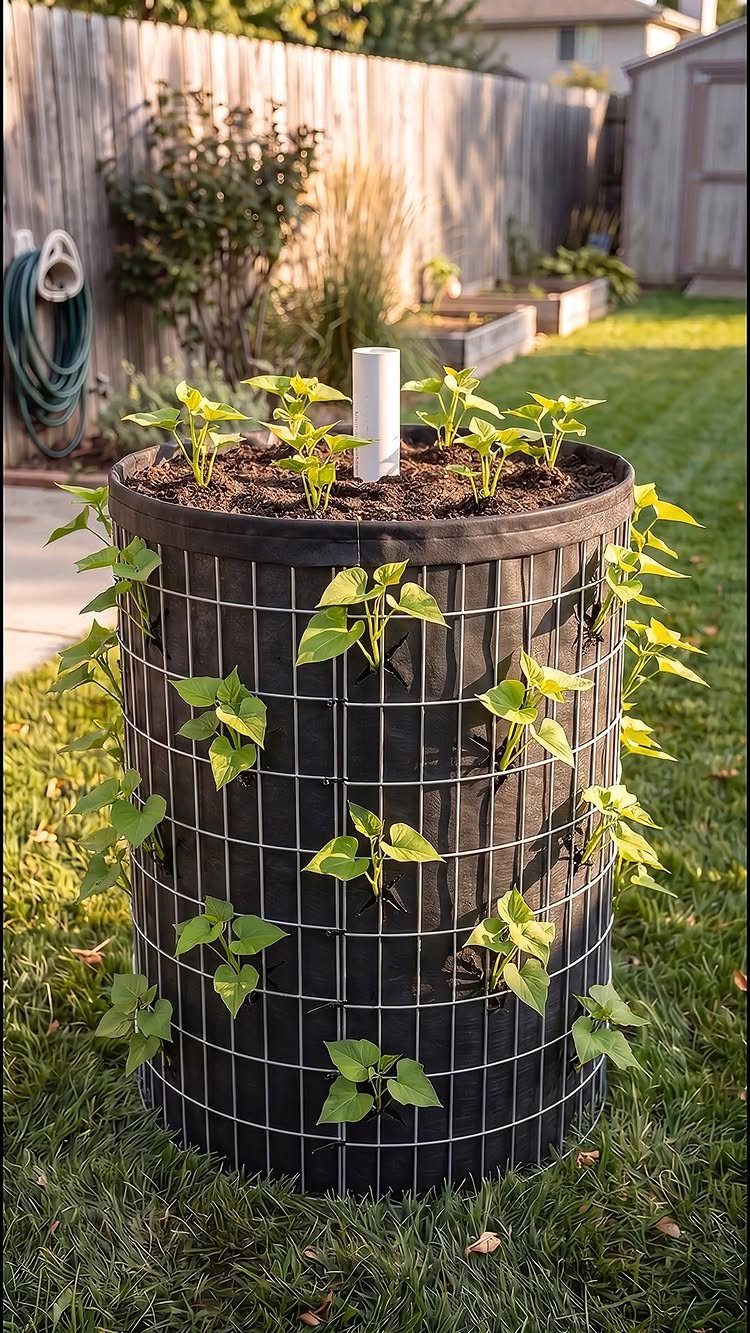
A cylinder of wire lined with landscape fabric turns a small lawn patch into a salad tower.
Plants grow through slits cut in the sides and top, so one upright planter holds thirty or more starts in the space a tomato cage would take.
A center pipe with holes drilled along its length waters from the inside out, which beats trying to soak dry fabric from the surface.
Fill with potting mix, not garden soil; the structure needs light, loose medium to stay upright and drain.
Leafy greens, strawberries, and compact herbs do well here.
Root vegetables do not; the depth is wrong and the sides compress. Move it on casters if your sun shifts across the season, or leave it fixed and plant accordingly.
Importance of Planning
A plan on paper keeps the beds full instead of half-empty while you figure out what comes next.
Crop rotation matters because planting the same family in the same spot year after year strips the same nutrients and invites the same pests back. Map that light before you map the beds.
Interplanting radishes between squash rows pulls two harvests from one timeline.
Succession planting at short intervals keeps lettuce coming instead of all at once. Quick crops fill gaps left by slow ones; the paper template shows where.
Beginners often wing it, which works until it doesn’t.
Even a rough sketch of when to sow and when to pick beats planting by guesswork. Digital tools speed the rearranging, but the discipline of real dimensions, crop by crop, is what prevents the overcrowding you cannot zoom away from.
★Material★ - Photoluminescent pigment + resin. About 18×25×11mm each. 200PCS pack.

HAND CRAFTED STEPPING STONE: Realistically detailed sunflower-shaped stepping stone with a classic distressed verdigris finish for an aged outdoor look and feel
Weed Control
Every bed you build above ground, every path you stone instead of seed, every vertical inch you claim with wire or bamboo, is ground weeds never get. The wire tower lined with landscape fabric blocks them by structure.
Raised beds filled with bought mix start clean. Containers on a balcony skip the weed seed bank entirely.
Bare soil invites problems; covered soil does not.
Maintenance drops when access runs around edges rather than through them.
You weed from the perimeter without stepping in, without compacting, without the hidden corner that goes to seed because reaching it takes effort. Design the path once, and the labor shrinks for seasons after.

High Efficiency: This vertical hydroponic garden utilizes a top-down automatic circulation irrigation mechanism. The water pump delivers water to the top of the hydroponic tower, and then the water is evenly distributed to each planting pot. This significantly enhances oxygen delivery to the root zone. Compared to traditional planting methods, the harvest cycle can be shortened by 30%
【Indoor Gardening System】Our vertical hydroponics growing system allows you to grow up to 36 plants at once, letting you cultivate vegetables, fruits, herbs, and flowers with ease while enjoying bountiful harvests. Compared to traditional soil gardening, it significantly reduces time, space, and water usage, speeding up growth cycles for efficient yields.

SOILLESS CULTIVATION: Hydroponics is used instead of traditional soil cultivation, so the automatic top-down timed watering cycle makes better use of water and reduces water waste compared to outdoor potted plants.
Seasonal Considerations
Crop rotation prevents disease from establishing in one spot.
The rule runs 3 years: do not return the same vegetable family to the same bed before then. A planner that flags conflicts saves the mistake in April you would not notice until August.
Long-season crops grouped together, short-season together, simplifies both care and harvest.
Radishes among squash come out before the vines need the room. Labels matter; memory fades between plantings.
East or north walls, plan for tolerance of shade.
Companion planting saves space and can improve pollination, though the pairing research varies. The underlying principle holds: match the plant to the season, the light, and the soil you built, then move it next year before problems accumulate.
Frequently Asked Questions
What is the best layout for a vegetable garden?
Block planting in raised beds works better than long rows for most home gardeners.
I draw beds to scale on graph paper, one square per foot, then move paper templates around until the crops fit the light and the paths stay narrow enough to walk but wide enough to work.
What is the 70/30 rule in gardening?
This rule suggests that 70% of your garden should be productive plants and 30% ornamental. I have never found a 70/30 rule that applies to vegetable gardens, and I do not plan by one.
What are the golden rules for designing a garden?
Plan for sunlight exposure before you map any beds, because tomatoes, peppers, and melons want eight to ten hours while lettuce and leafy greens manage with less.
Build the soil you want rather than fighting what you have: raised beds filled with compost and topsoil let you control the growing medium from day one.
Keep paths minimal and around edges rather than through the middle, so access stays simple and planting space stays maximal.
Which vegetables grow well together chart?
Fast-growing radishes planted with slower carrots or beets pull two harvests from one timeline; the radishes come out before the carrots need the room, and the removed tap root loosens soil for what’s left.
Lettuce or spinach beneath an A-frame trellis of cucumbers or pole beans sits in shade that delays bolting.
The science on companion planting varies, so I stick to pairings where timing and light needs line up rather than hoping for chemical benefits.