Wood decks run from a weekend of pressure-treated pine to the slow work of hidden-fastener tropical hardwood, and the right choice depends on whether you want to spend your time building, maintaining, or figuring out how to build around the tree or pool you already have.
A varnished surface catches light like a kitchen table until it peels in sheets where water pools underneath, while oil-based finishes just gray out and ask less of you over the years.
I would check local availability before falling in love with a species, because some boards arrive pre-grooved for clip systems and others need every hole pre-drilled by hand.
[link-whisper-related-posts]1. Types of Wood
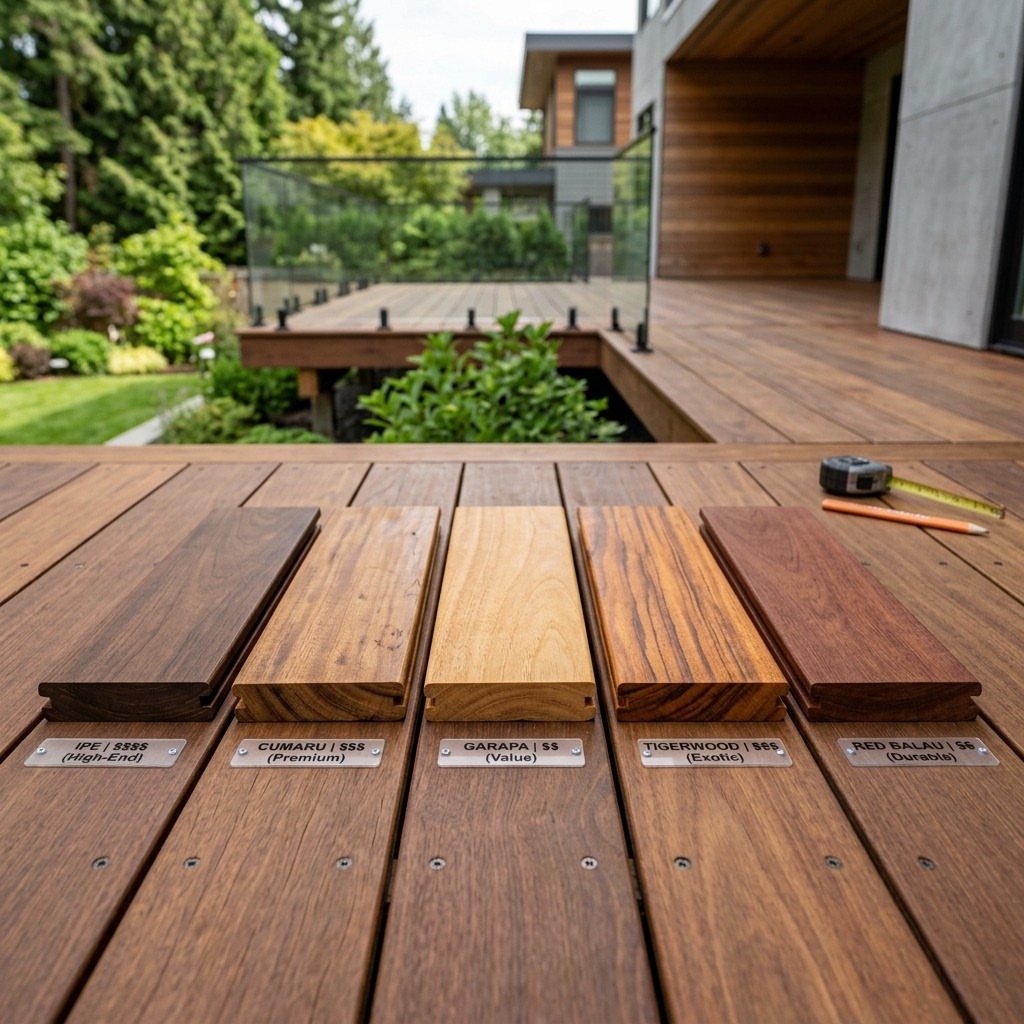
5 labeled planks sit on a finished deck: Ipe, Cumaru, Garapa, Tigerwood, Red Balau. Each carries a different density, color, and price point that shapes how the deck will age.
Pressure-treated pine stays the entry door for a weekend project on a tight budget. It costs the least and takes stain well, though it dents easier and needs more frequent sealing.
The exotic hardwoods run harder and denser; they resist rot without chemical treatment but cost more upfront and demand a hidden-fastener install that takes longer.
I would check local availability before falling in love with a species. Some of these need pre-drilling every hole, which adds hours.
Others arrive pre-grooved for clip systems. Match the wood to your tool collection and your patience, not just your color preference.

Kit includes (175) Brown Hidden Deck Fastener Ipe Clip Extreme Clips, (175) #8x2” black T15 stainless steel screws, driver and drill bits plus gap spacer tools

Kit includes (100) Gray Hidden Deck Fastener Ipe Clip Extreme Clips, (100) #8x2” black-head T15 stainless steel screws, T15 driver.

Kit includes (525) Gray Hidden Deck Fastener Ipe Clip Extreme Clips, (525) #8x2” black T15 stainless steel screws, driver and drill bits plus gap spacer tools
2. Wood Decks with Varnishes
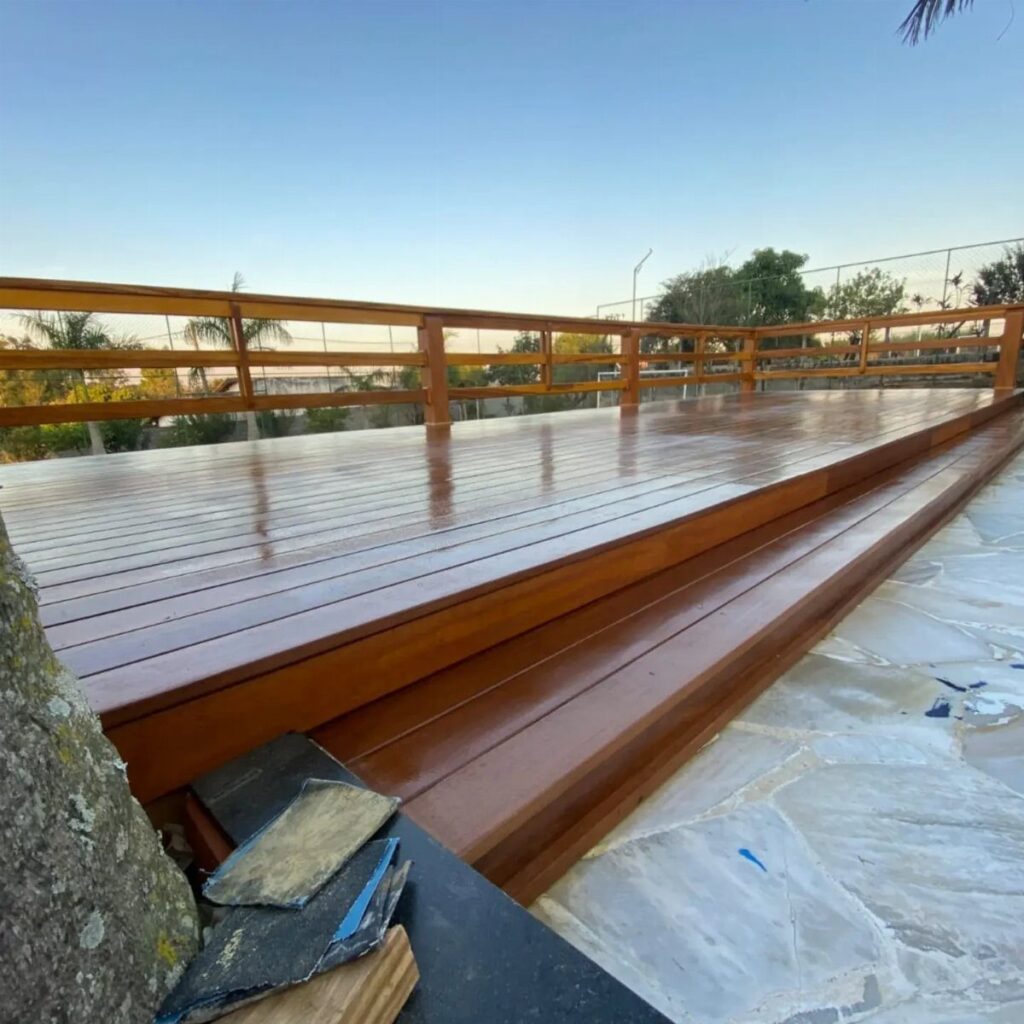
A glossy varnished deck catches light like a kitchen table, which is exactly the problem.
Varnish sits on top of the wood instead of soaking in, which is why that honey-colored surface will peel where water pools. When water gets underneath through a crack or worn spot, it peels in sheets.
Annual or biennial treatments keep the film intact.
Sanding between coats cannot be skipped; the new layer bonds poorly to the old gloss without it. Oil-based penetrating finishes fail more gracefully, graying out rather than flaking, though they never look this polished.
For a rental or a first home with limited weekends, this finish demands commitment.
I would only choose it for a covered deck or a space I enjoyed maintaining. Otherwise, the labor outlasts the glamour.
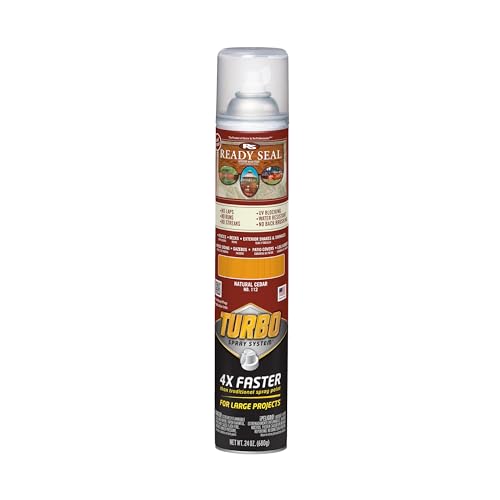
NO LAPS, RUNS OR STREAKS: Goof Proof, oil-based formula now equipped with the powerful Turbo Spray System; ideal for exterior wood projects

NO LAPS, RUNS OR STREAKS: Goof Proof formula with no back brushing required; ideal for exterior wood projects
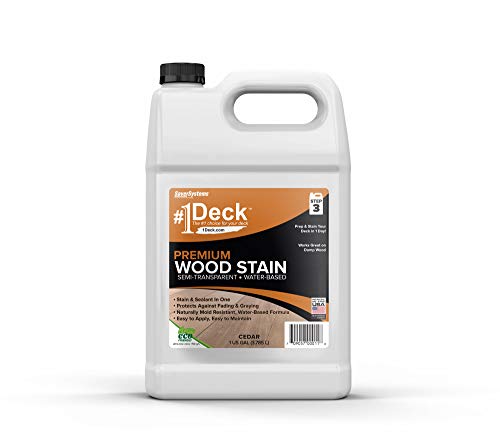
SEMI TRANSPARENT EXTERIOR WOOD STAIN: Our outdoor wood stain and sealer allows the natural wood grain to show through, highlighting the beauty of your decks, fences and sidings and preserving its natural look.
3. Wood Decks Natural Wood Grain
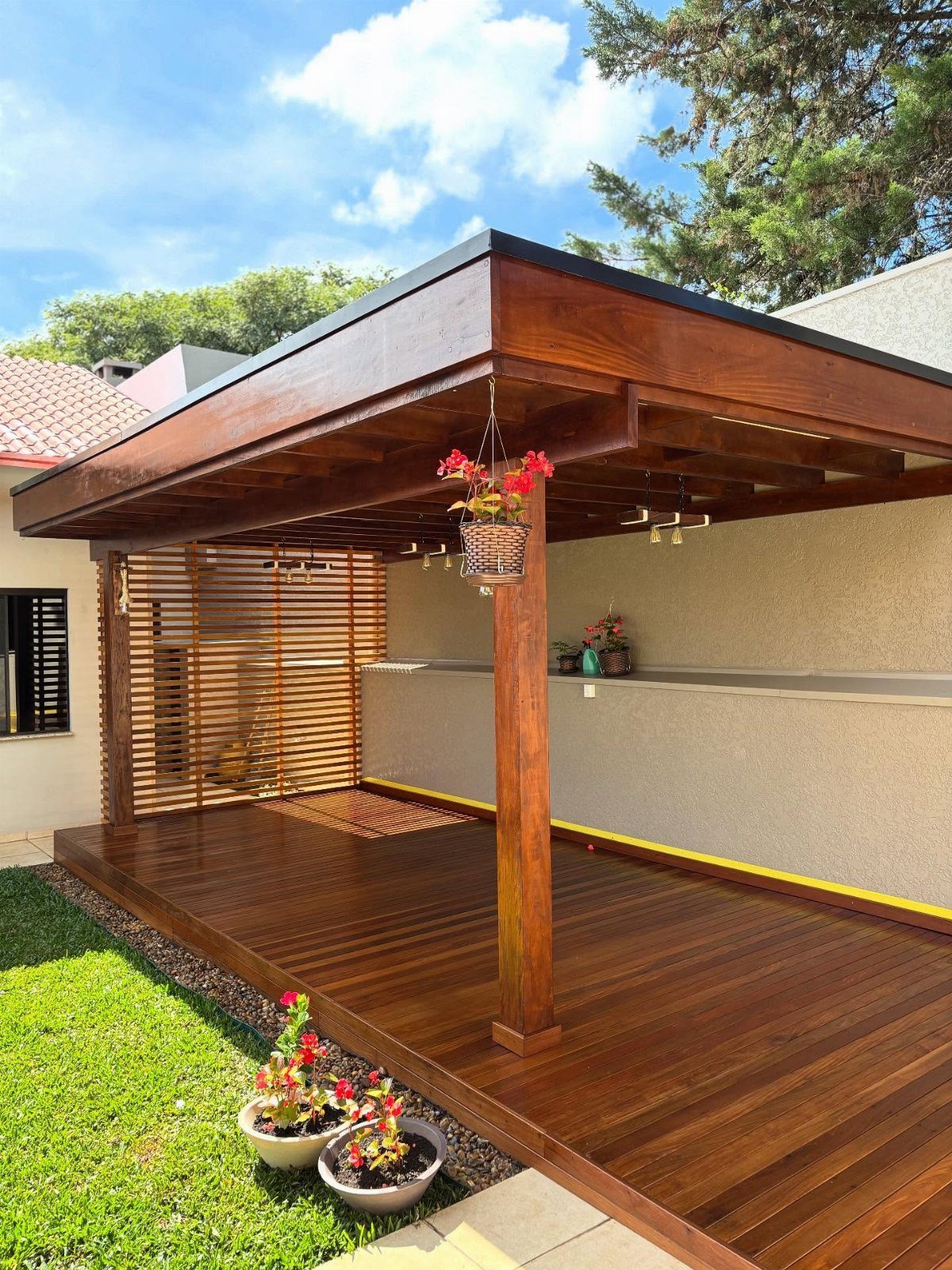
Natural grain under a pergola reads as texture rather than statement.
A deck with no film finish, just oil or sealer that has darkened over time, lets the vertical lines of the grain draw the eye along the boards instead of across them.
Before committing, decide whether you prefer the initial color or where it will drift.
Untreated wood exposed to sun and rain shifts toward silver-gray. Keeping the warm brown means re-oiling, though less aggressively than a varnished deck demands sanding.
Using the same material for a slatted screen and posts unifies the space without matching stains or paint. I would order all pieces from the same batch; grain and color vary enough between lots to notice once installed.

PENOFIN RED LABEL CLEAR GALLON

Premium oil finish ideal for newer, less weathered wood

Wood stain especially formulated to penetrate dense hardwoods
4. Deck De Madeira Around Pools
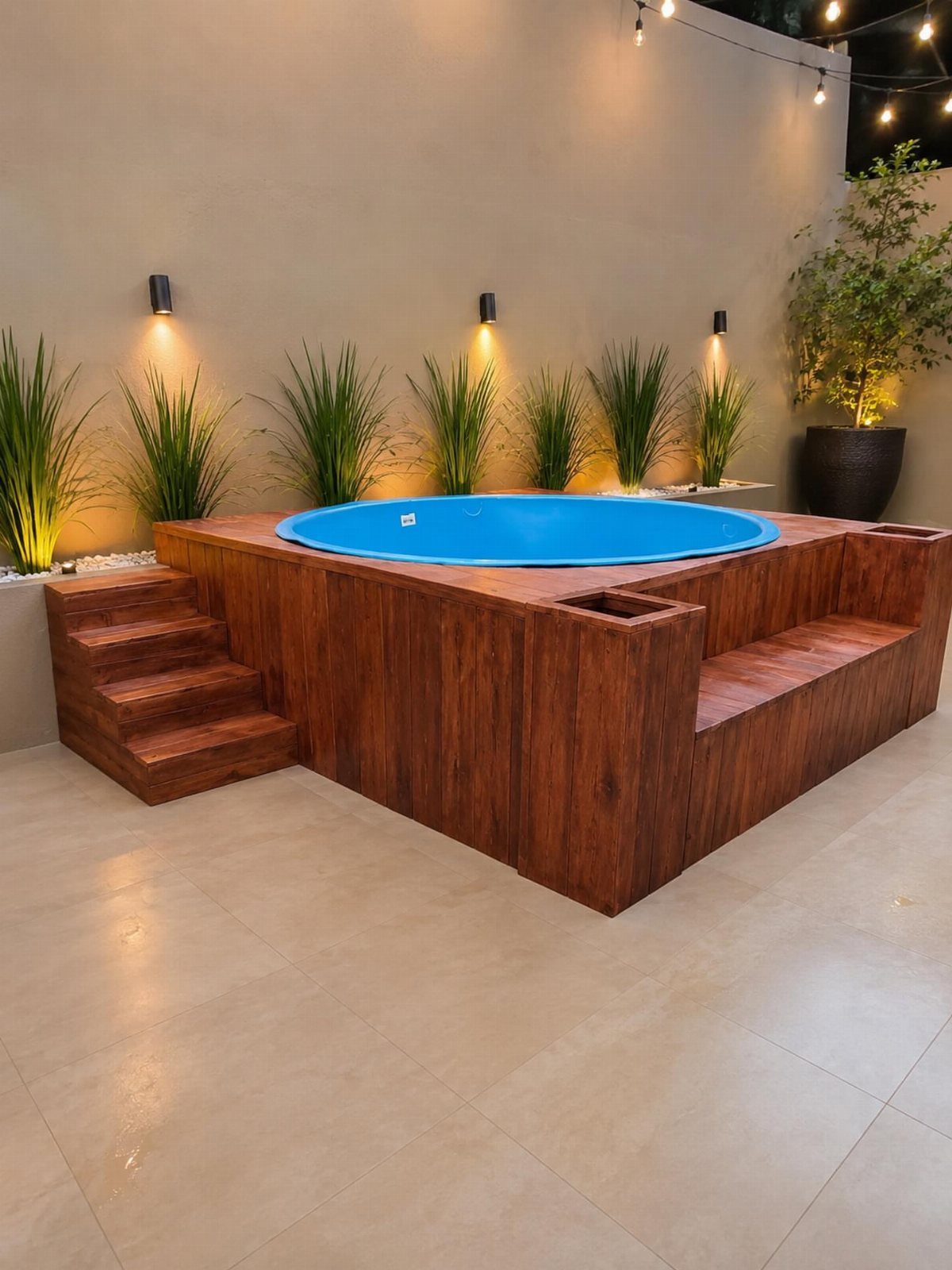
A wooden ring around a pool softens the hardscape but lives in the wettest zone of the yard.
A deck that wraps the pool edge tightly, with steps and bench seating built from the same boards, moves as one unit when the wood expands.
Drainage matters more here than anywhere else.
Standing water against the boards accelerates rot even in resistant species. The substructure needs gaps, sloped sleepers, or a gravel bed beneath that lets water escape rather than pool.
I would also check how the deck meets the pool coping. A fixed connection traps debris and traps moisture; a floating edge rides seasonal movement better but needs a cover board to hide the gap.
Either choice is fine. Leaving it unplanned is not.

ALWAYS TEST BEFORE FULL USE: Every coating is different. Apply a test patch of Smart Strip Advance to ensure compatibility with any coatings present. This will also determine the required dwell time.

IDEAL USES: Versatility at its best, our Wood Varnish is perfect for doors, baseboards, furniture, and all indoor woods. Whether you're working on a board or a grand entrance door, this varnish ensures a flawless, long-lasting result.

【STAIN & SEAL】- DWIL Outdoor Wood Stain combines staining and sealing in one product. It penetrates deeply into the wood to nourish and protect it from the inside, while adding beautiful bleached gray color. At the same time, it forms a protective seal on the surface to increase durability and help resist everyday wear and tear.
5. Decks Built Around Trees
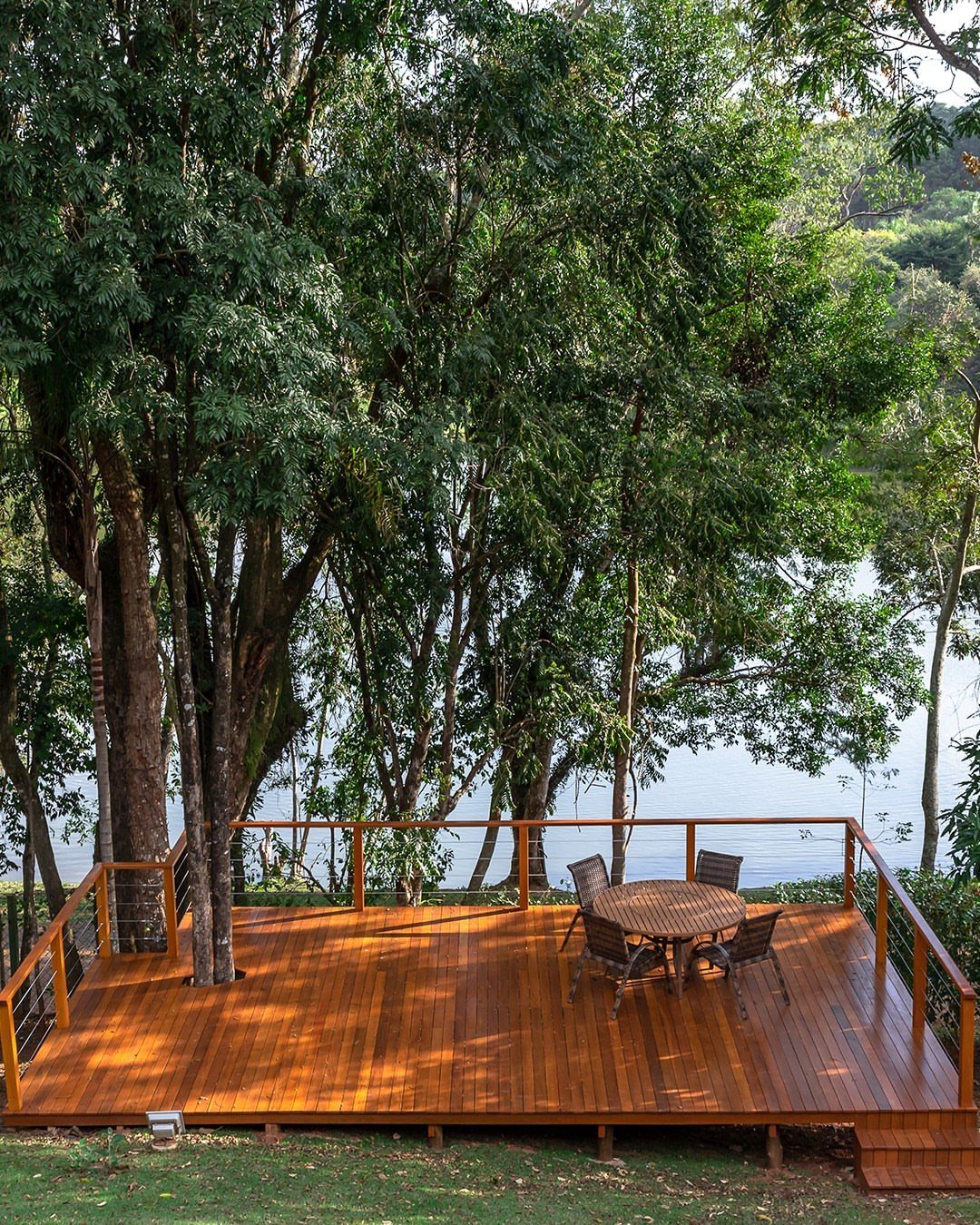
A deck built around living trees keeps the canopy but surrenders some predictability. Cutouts around trees need to follow where the trunk will thicken, not where it stands today.
Check species before cutting. Slow-growing oaks or maples tolerate the confinement better than fast growers like poplar or silver maple, which will either bulge against the framing or force gaps that collect leaves.
The gap itself needs to drain and ventilate; solid trim rings rot from the inside.
I would leave more clearance than looks necessary.
A deck can be patched or extended. A killed tree leaves a hole that no carpentry fixes.

【What You Will Get】50 x Hidden Fasteners Nylon Clips. Each fastener is equipped with a metal countersunk square slotted screw, sufficient quantity can meet your use and replacement needs, provide you a clean and neat deck appearance.
【What You Will Get】100 x Hidden Fasteners Nylon Clips. Each fastener is equipped with a metal countersunk square slotted screw, sufficient quantity can meet your use and replacement needs, provide you a clean and neat deck appearance.

【ULTIMATE 1000-PIECE DECK FASTENING KIT】 Step into your deck project fully equipped! This comprehensive set delivers 1000 heavy-duty T-clips, 1000 rust-resistant screws, and a magnetic driver bit. No extra trips to the hardware store – just open the box and start building your dream outdoor space with everything at your fingertips.
6. Decks with a Pergola
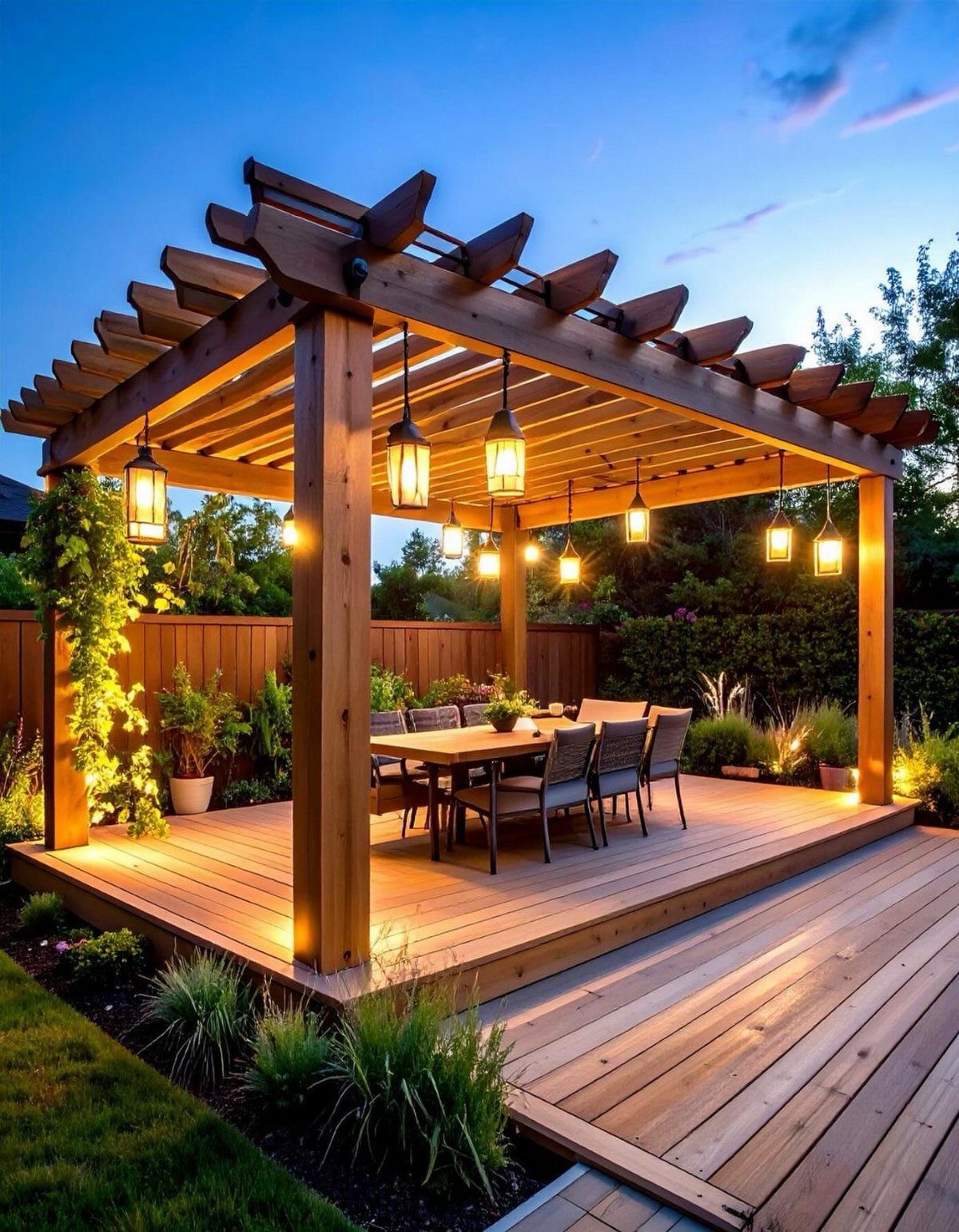
A pergola over a dining deck defines the room without walling it off. A pergola that carries its own weight on posts sitting outside the deck perimeter spares the decking from carrying lateral loads it was not framed for.
The hanging lanterns add evening function, but the wiring path needs planning before the pergola goes up. Running cord along rafters works for seasonal use; anything permanent needs conduit planned with the post holes.
Wood choice here splits 2 ways. Matching the deck gives continuity; using a contrasting species, or even painted pine for the pergola, lets the structure read as furniture rather than extension.
I would stain the pergola darker than the deck floor. The eye travels up, and the shade deepens the sense of ceiling.

Kit includes (1050) Gray Hidden Deck Fastener Ipe Clip Extreme Clips, (1050) #8x2” black T15 stainless steel screws, driver and drill bits plus gap spacer tools

Kit includes (525) Gray Hidden Deck Fastener Ipe Clip EXTREMEKD Clips, (525) #8x2” black T15 stainless steel screws, driver and drill bits plus gap spacer tools

Kit includes (525) Brown Hidden Deck Fastener Ipe Clip EXTREMEKD Clips, (525) #8x2” black T15 stainless steel screws, driver and drill bits plus gap spacer tools
7. Raised Garden Decks with Railings
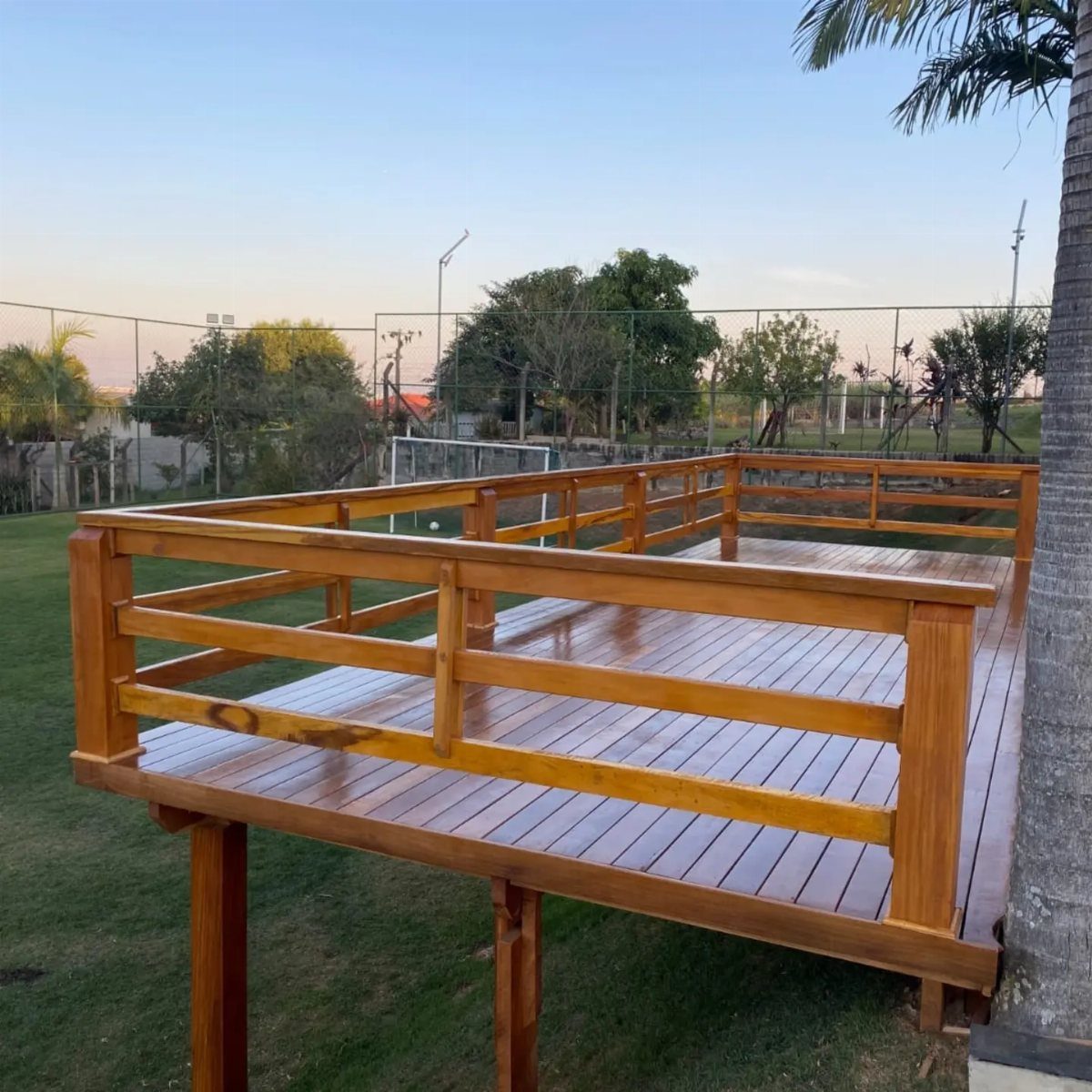
A raised deck with railings turns sloped or uneven ground into flat living space without the excavation a patio demands. The height puts you above the grass line for air circulation and a drier surface after rain.
The railings here match the deck boards and posts, which reads as built-in rather than added later. That unity costs more upfront; mixing materials, say pressure-treated posts with a hardwood cap rail, saves money but reads as 2 projects.
Before you cut anything, call the building department and ask what they want to see. Most jurisdictions require railings once the drop gets high enough to matter, and the baluster spacing gets inspected.
I would build taller than the minimum even if the shorter height is allowed; the lumber cost difference is small and the safety margin is not.

PENETRATING OIL-BASED WOOD STAIN – Advanced conditioning oils penetrate deep into wood fibers while drying oils lock in protection, helping prevent cracking, peeling, and premature wood deterioration.
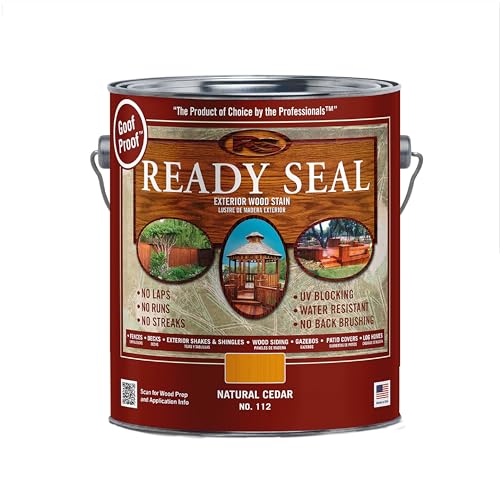
NO LAPS, RUNS OR STREAKS: Goof Proof formula with no back brushing required; ideal for exterior wood projects
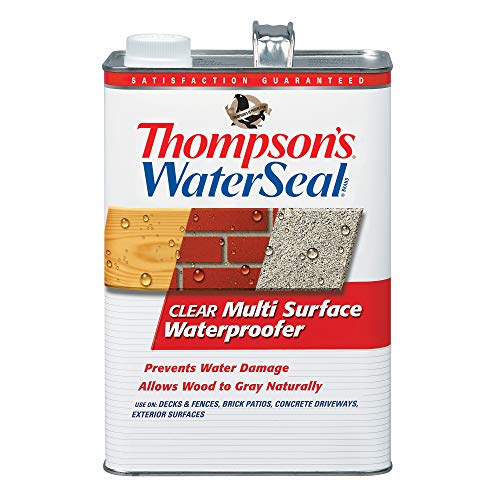
WATERPROOFING STAIN – Bring out the beauty of your outdoors with Thompson’s WaterSeal Clear Multi-Purpose Waterproof Stain. Proven to waterproof concrete, brick, exterior wood and other exterior surfaces.
Wood Vs. Composite
Wood gives you something composite cannot manufacture: grain that shifts in afternoon light, boards that age at different rates, a surface that records the seasons.
That beauty costs time. A natural deck needs treatment every year or two, and skipping it shows.
Composite trades that ritual for hours returned to your weekends. The surface stays smooth enough for bare feet and pet paws, and it does not splinter where water collects.
Around a pool, that matters more than around a grill. Some composite boards come with an outer shell that sheds water on its own, so you skip the annual sealing that solid wood needs.
I would choose composite for a rental, a pool surround, or any deck I wanted to forget between uses. The decision is not which material is better; it is which maintenance schedule you will actually follow.
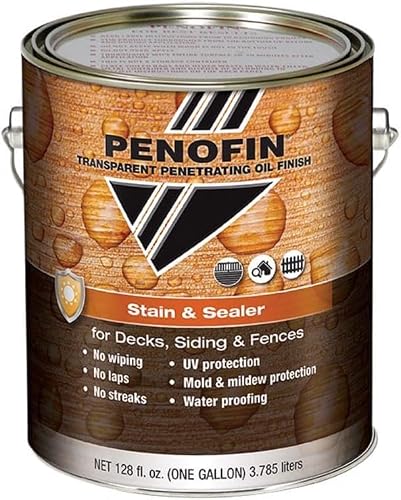
Oil based stain Low odor Can ship to all states Cedar color 1 gallon

Specially formulated for dense hardwoods like Ipe, Mahogany, Teak, and other exotic species
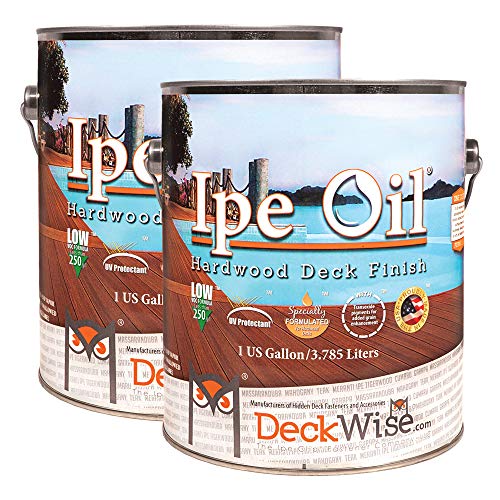
Oil-based natural wood finish
Safety Features
A wood deck after rain is a different surface than a dry one.
Water raises the grain, and the film left by old sealer turns slick underfoot. Splinters follow as boards check and warp, especially where the sun hits hardest.
Composite handles this differently. The capped surface does not absorb water, so it stays closer to the same grip wet or dry.
For a deck that sees kids running from pool to house, or a household with dogs whose paws find every raised edge, that consistency matters.
Wood can be kept safe; the oils and sealers in the list entries exist partly for this reason.
But they need reapplication on schedule. A composite deck asks less and forgives more.
I would not trust either material completely on a slope or a stair without added grip strips. The material is only part of the equation; the grade and the drainage complete it.

ECO-CONSCIOUS LIVING – Limino Wood Stain is a highly effective clear coat that transforms the finish color of wood furniture into a specific style while preserving its natural grain details. It allows you to create furniture in various styles without the high cost of purchasing solid wood pieces, reducing timber consumption and achieving a balance between appreciating natural wood beauty and protecting the environment.

Marine-Grade Protection: This marine grade wood sealer repels saltwater, UV, and rain. Unlike surface coatings that peel or crack, our marine paint for wood penetrates deep to protect boat docks, piers and decks from moisture damage year after year

IDEAL USES: Versatility at its best, our Wood Varnish is perfect for doors, baseboards, furniture, and all indoor woods. Whether you're working on a board or a grand entrance door, this varnish ensures a flawless, long-lasting result.
Longevity of Materials
The lifespan numbers are where the math gets honest.
A well-kept exotic hardwood deck runs 15–25 years before the structure needs serious attention. That is a real span, not a warranty promise, and it assumes the maintenance schedule was kept.
Composite starts from a different baseline.
Those same capped composites often carry estimates above 30 years, with residential warranties running to 25 years and commercial to 10. Those years do not depend on annual treatments; the material arrives sealed and stays that way.
The gap narrows if you compare neglected wood to composite, which is not a fair fight.
It widens if you compare ideal maintenance on both. I would plan on wood needing replacement or major rebuild in the time a composite deck is still under warranty.
Whether that matters depends on whether you expect to still own the house, and whether you trust yourself to keep up the work.

Trex Universal Clip 500 SQFT
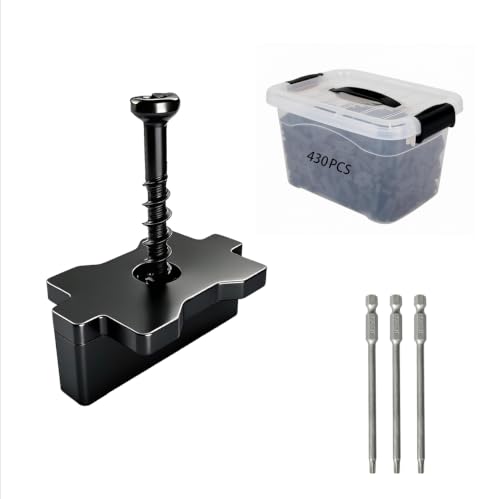
1. IMPORTANT SIZE & COMPATIBILITY CHECK – These hidden deck fasteners are designed for grooved composite decking boards, providing a 6mm (0.24") gap between boards. Fastener dimensions: 33mm (1.30") length, 13mm (0.51") height, and 3mm (0.12") tab thickness. Please measure your decking board's groove dimensions and position before purchasing. Not universally compatible with all decking brands or profiles.installation and long-lasting performance.

Efficient Design: This deck hidden fastener tool compatible with Trex hidden fasteners, Installing the hidden fasteners have become more convenient and efficient. A must have and value for money tool that simplifies the installation process and greatly improves deck installation efficiency, installing decks like a pro
Installation Complexity
Traditional wood installation is slow because the material demands it.
Hidden fastener systems require grooved boards or careful edge-slotting. Every board moves, so every joint has to allow for that.
Composite can follow the same methods, but some lines offer faster tracks.
The Quick-Fix system skips part of the fastening labor, clipping boards to a rail rather than screwing each one. For a weekend project with a hard stop on Monday, that difference can mean a finished surface or an exposed substructure.
The instructions that come with the actual box matter more than anything I read online beforehand.
"Quick" in a brochure does not always mean quick with my tool collection. But the option exists, and for a first deck or a single free weekend, it can turn a two-weekend job into one.