These ideas run from a single bird feeder to a full greenhouse build, and the one that fits your yard depends on whether you own the dirt or just the season.
A ceramic pot on a rented patio moves with you when the lease ends; a raised bed stays with the property and warms the soil weeks faster each spring.
[link-whisper-related-posts]1. Trees, Shrubs, Perennials, and Groundcovers
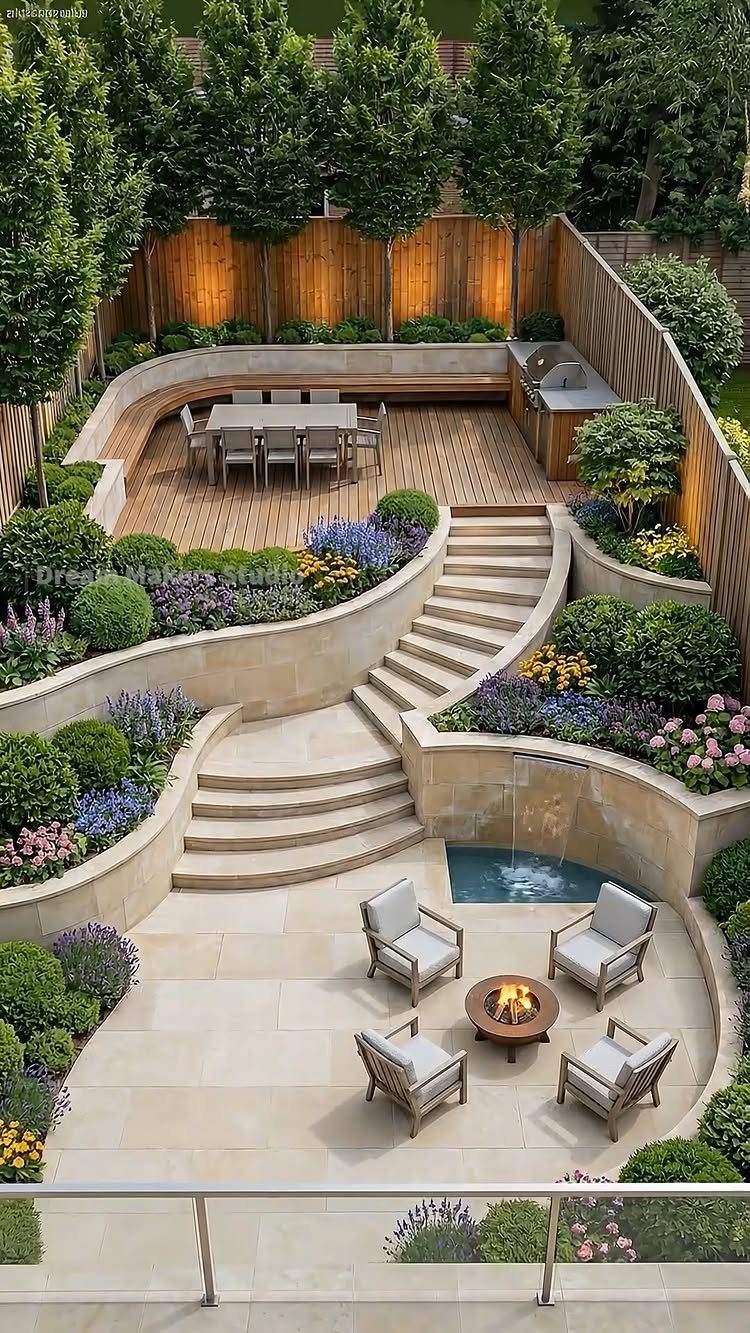
Layering trees, shrubs, perennials, and groundcovers turns a flat yard into something with actual depth.
Stone walls can frame it, but the plant layers do the real work: canopy overhead, mid-height shrubs for privacy, perennials for color, groundcovers to finish the edge.
Compacted lawn soil will not feed new plantings.
Test pH and nutrients before you dig, then amend with compost or whatever the test says is missing. Match plants to your light; a shade tree planned for afternoon cover will not help sun-loving perennials placed beneath it now.
Pollinator-friendly perennials near any vegetable patch mean better harvests without extra work.

Color Variety: Mixed colors including deep purple, vibrant pink, pure white and lavender; Creates stunning multi-colored garden displays; Classic daisy-like flowers with yellow centers

Easy-Growing Wildflowers: This Early-Blooming, Carefree Wildflower Seeds Mix Includes 14 Of North America’s Most Beautiful Wildflower Varieties; This Gorgeous Blend Will Quickly Delight Pollinators And People Alike

2. Pots and Containers
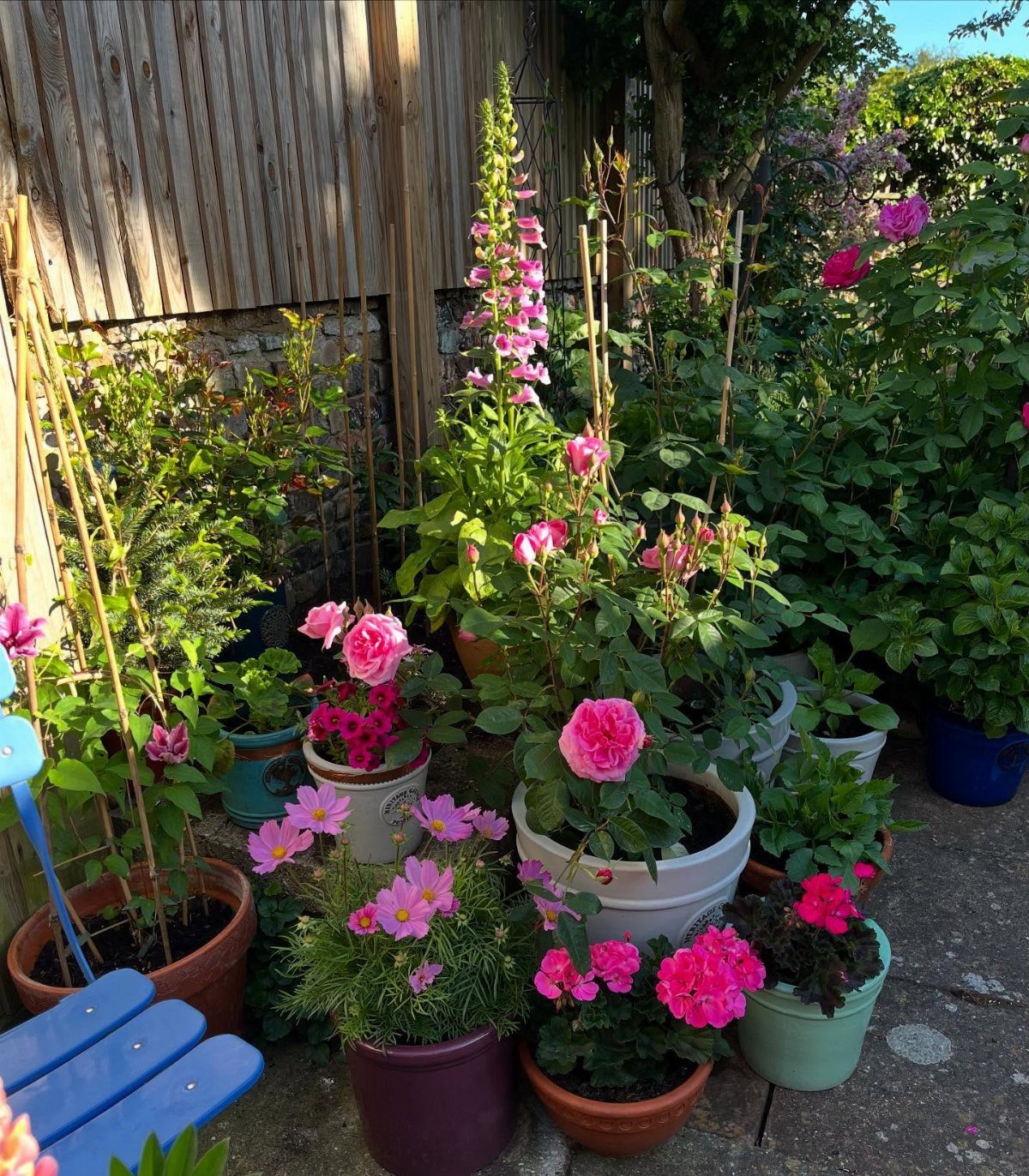
Pots and containers matter most when your ground is terrible or your space is rented. A ceramic pot on a patio moves with you, and a failed experiment costs one plant, not a dug bed.
Scale trips people up. That neat shrub in a nursery pot wants to spread wide fast; check the tag or ask so you do not place it where it will crowd the neighbors in a season or two.
Measure your space, then check mature spread before you buy. For small areas, succulents and compact perennials stay polite.
Cluster pots in odd numbers, varied heights, and repeat one color or material so the grouping reads as intentional rather than accumulated.

SIZE: 47.24"L x 23.62"W x 11.81"H, this oval raised garden bed provides practical growing space for vegetables, flowers, herbs and other outdoor plants

Size: 60×29×11 in, 68 gallons of soil required.
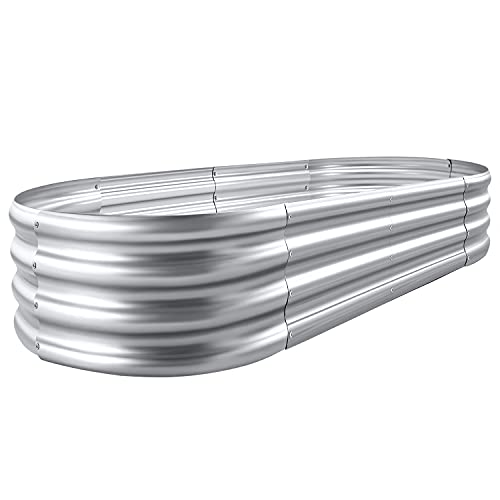
Each raised metal garden bed size: 4×2×1ft ,7.14Cu
3. Outdoor Rooms
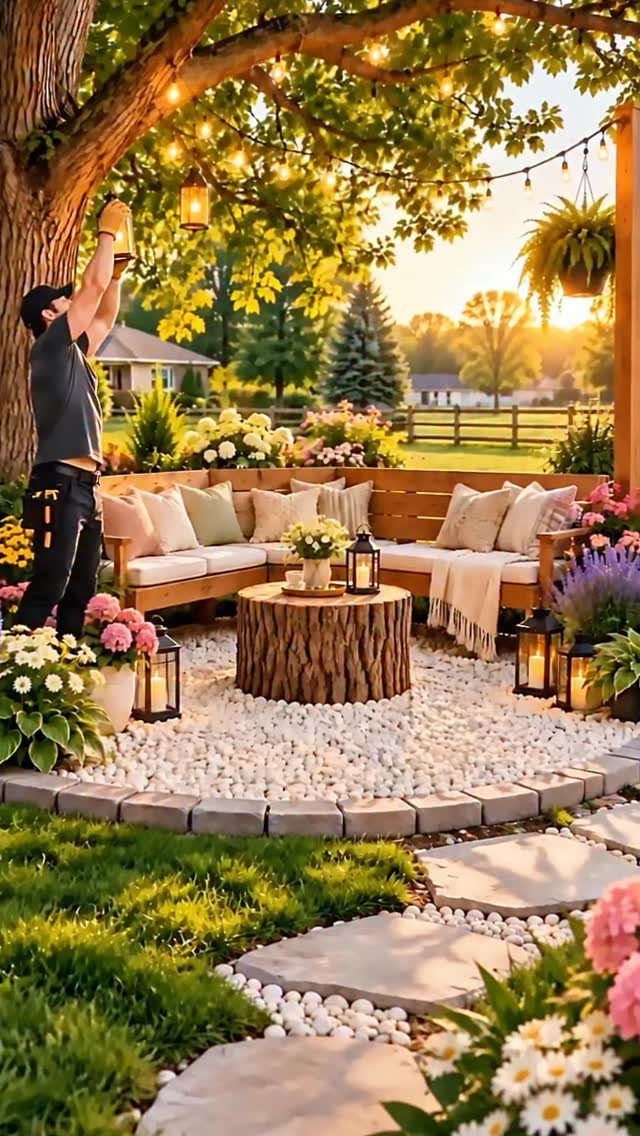
Outdoor rooms work because they give a small yard more than one job. A gravel base and built-in bench mark a space as a sitting area, not a path through to somewhere else.
Divide by width: a yard wider than it is deep handles two or three zones fine.
Repeat one material, one plant shape, or one color across them so the eye connects what the feet separate. A rug under a dining table does this fast; so does running the same gravel from bench to fire pit.
String lights overhead turn any defined spot into somewhere you stay past sunset.

Elegant, Glazed Design – Features the stylish look of ceramic with a glossy finish and horizontal brush lines that enhance your plant’s natural beauty; available in bold, vibrant colors to suit any decor.

PROTECT YOUR SURFACES: Water spills from indoor houseplants can cause damage to surfaces such as a wood, carpet, and flooring. Plant saucers protect these surfaces while still allowing your potted flowers and plants to drain excess water.
4. Pathway Lights, Lanterns
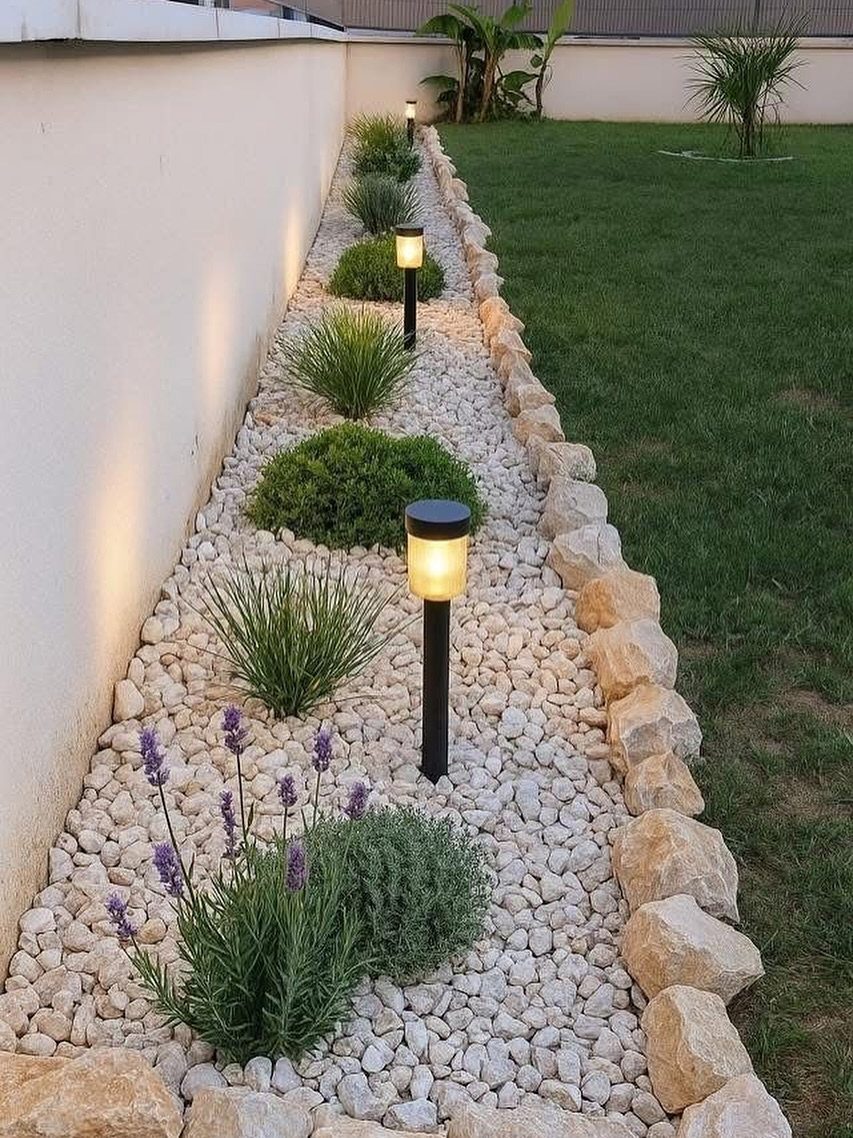
Pathway lights and lanterns buy you usable hours. In winter, when dark arrives early, a lit path means you still walk to the compost or the shed without your phone flashlight.
Stakes along a bed edge do 2 jobs: they keep feet out of planting soil, and they give enough glow to move safely. Solar versions install in minutes but dim after cloudy days; wired ones need planning but stay consistent.
A lantern hung where you actually sit, not just where you walk, matters more than lining every border.

FUNCTIONAL OUTDOOR SEATING: Lightweight and durable, this fiberclay bench makes a marvelous addition to your garden, porch, patio, deck, or poolside area

ANTIQUE CLASSIC DESIGN -Antique style allows it to fit with any backyard or home, three round flower pattern constitute the chair seat which shows our creative design. Not only does it offer comfortable sitting experience but also serve as a good decorative ornament

Built for the Outdoors: Made with a high-quality metal frame, this outdoor bench is designed to withstand long-term outdoor use and various weather conditions. It resists corrosion, deformation, and damage, supporting up to 480 lbs/218 kg to accommodate users of different sizes.
5. Vertical Gardening
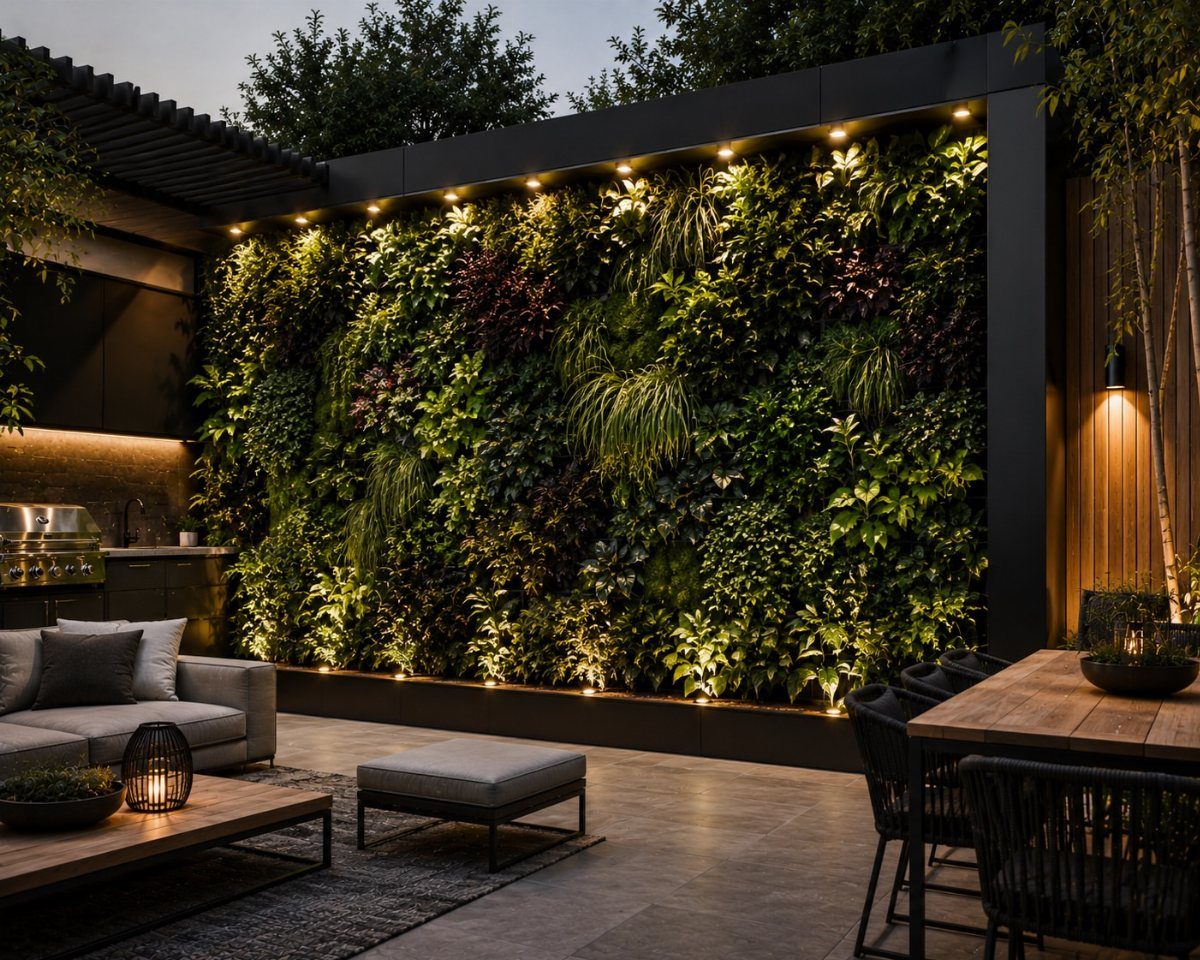
Vertical gardening is how you garden when the footprint is a balcony or a narrow side yard. A living wall can get elaborate, but the principle is simple: grow up, not out.
A trellis against a fence handles tomatoes or cucumbers and keeps fruit off the ground.
Wall-mounted pots for herbs stay near the kitchen door where you will actually cut from them. Hanging baskets work for trailing strawberries or cascading flowers.
In a small yard the gain is psychological as much as spatial. Eyes move upward, the space feels larger, and you stop noticing the fence line.

UNIQUE PATENTED SOLAR PATHWAY LIGHTS: US Patent protected.Color changing solar garden lights adopts a one-piece lamp head design, the lamp head imitated the diamond look, with high transparent acrylic material, which makes the light with strong transmission, large lighting area, super bright light output; The style is modern and simple, compact and delicate. landscape lighting to creates a romantic atmosphere for your home. Extremely pretty solar garden yard patio decor

【US PATENT INTELLECTUAL PROPERTY PROTECTION】Upgrade your outdoor lighting with our 10 pack solar path lights. Our solar path lights are equipped with advanced LED filament bulbs for a more focused and bright light. The clear glass lampshade enhances light transmission, 3000K warm white light is perfect for illuminating and decorating your yard. Note: Turn on the switch before first use.

INNOVATIVE DESIGN: Solar pathway lights adopt an integrated lamp head design, using highly transparent acrylic material and surface-cutting technology, making the lamp head present a diamond-like effect. The light projects 3 ft radius wide-coverage starburst patterns onto the ground at night. This lighting effect is design for decoration.
6. Fresh Mulch, Plants
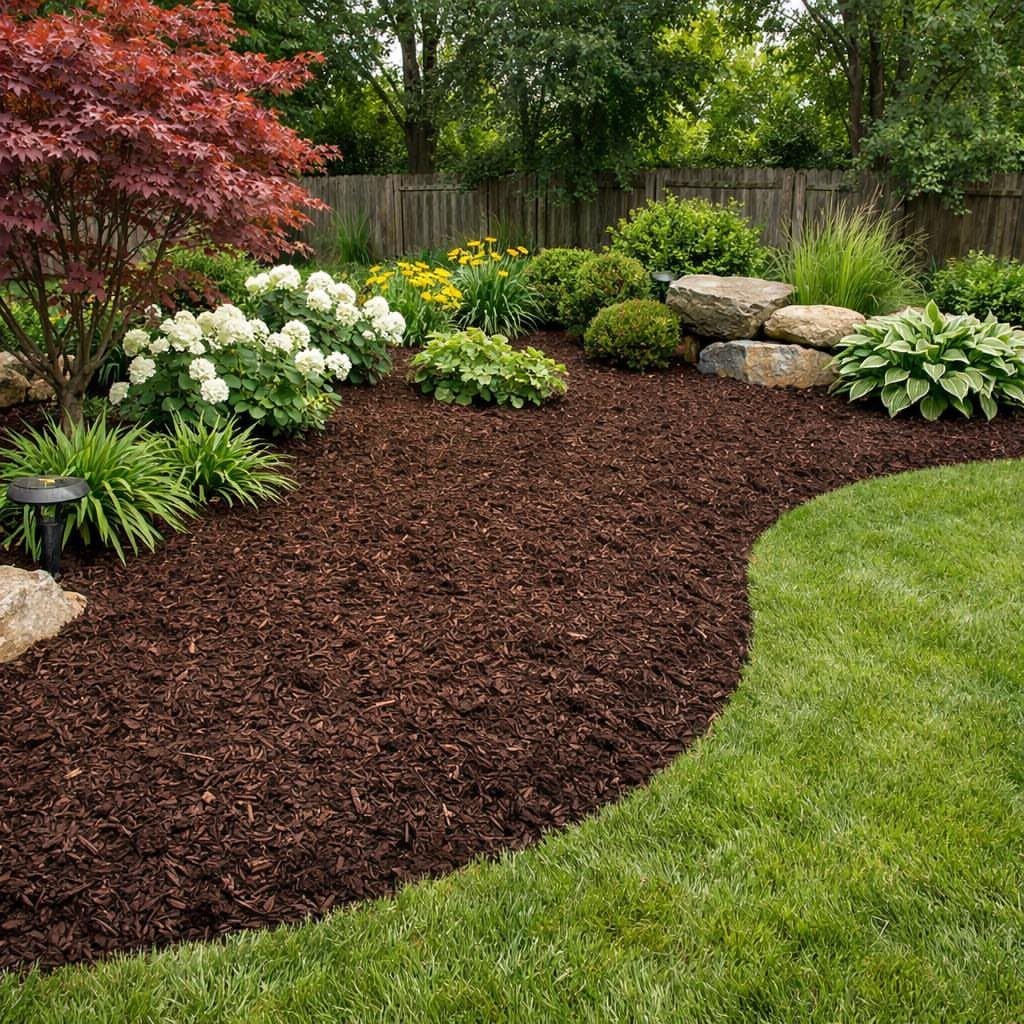
Fresh mulch is the fastest way to make a garden look like someone tends it. A dark mulch layer sets off foliage and blooms, and it buys you time on weeding and watering.
2 inches is enough; more suffocates roots.
Shred hardwood for beds, larger bark for paths. Replenish yearly, or the color fades and weeds return.
New plants alongside the mulch refresh without redesign.
Choose one structural plant, then fill around it with what blooms in your season. Native species need less from you and more from your zip code.


Creeping phlox is a perennial cushion plant that comes in many beautiful colors. Each spring, the flowers bloom in a variety of colors, spreading outwards rather than upwards.
7. Colorful Furniture, Cushions
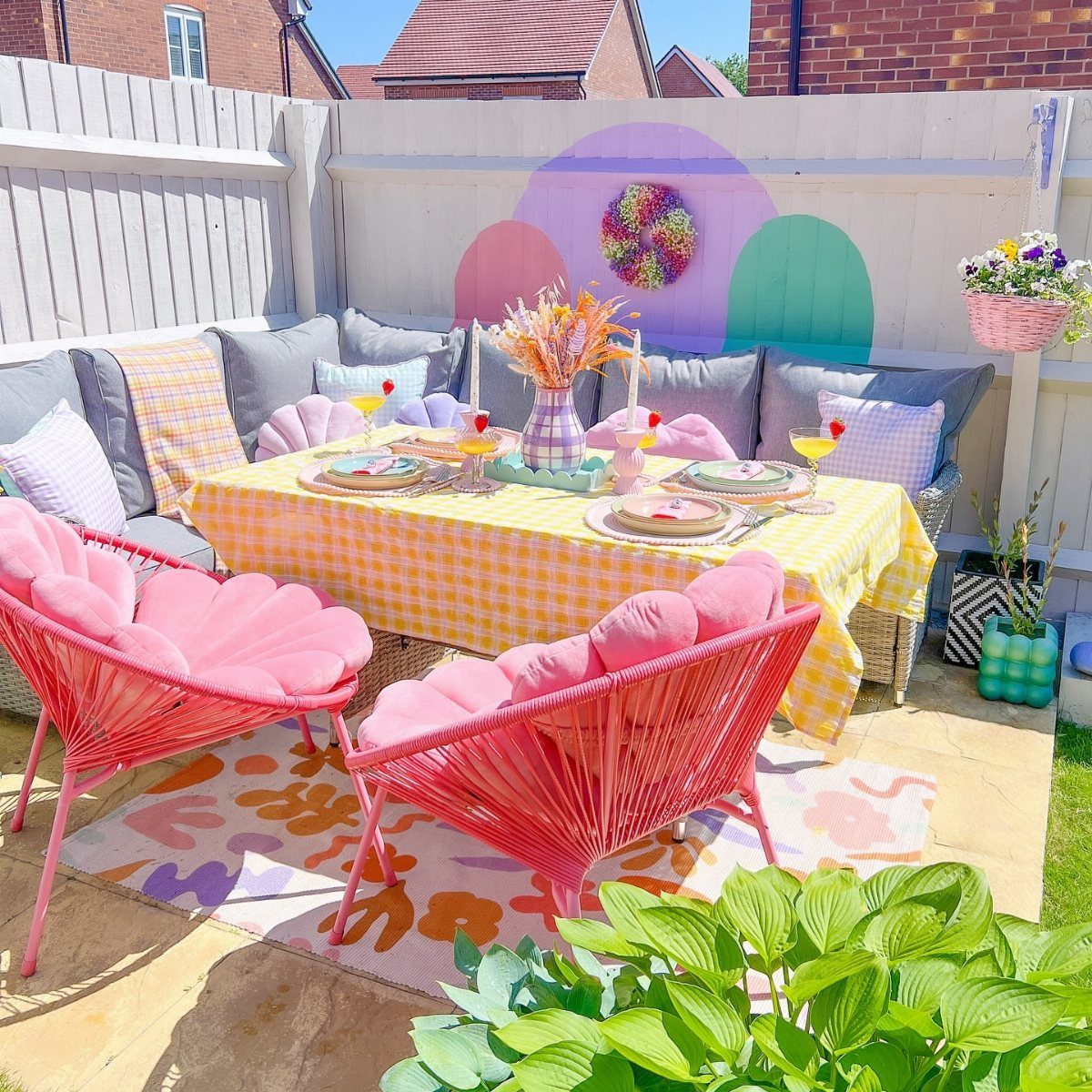
Bright furniture and cushions let you change a yard’s mood without changing the yard. Paint fades and fabric rots, so you replace cushions every few seasons or pay more upfront for something permanent.
Woven resin or powder-coated metal frames hold color longer than wood.
Cushions in solution-dyed acrylic resist mildew and sun damage; store them dry or they will mold. Pink and yellow work together when they share warmth, not because they match.
One bold piece reads as intentional. 3 competing brights read as yard sale.
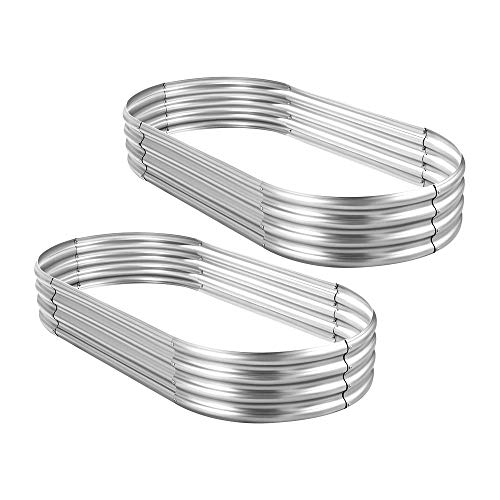
Each raised metal garden bed size: 4×2×1ft , 7Cu

High-Quality PE Material with Drainage Hole: Crafted from durable and flexible PE material, these grow bags are built to withstand outdoor conditions without cracking. The bottom drainage hole provides essential airflow to roots and prevent overwatering and root rot, ensuring your plants thrive in a well-aerated environment.

8. Incorporate Garden Art
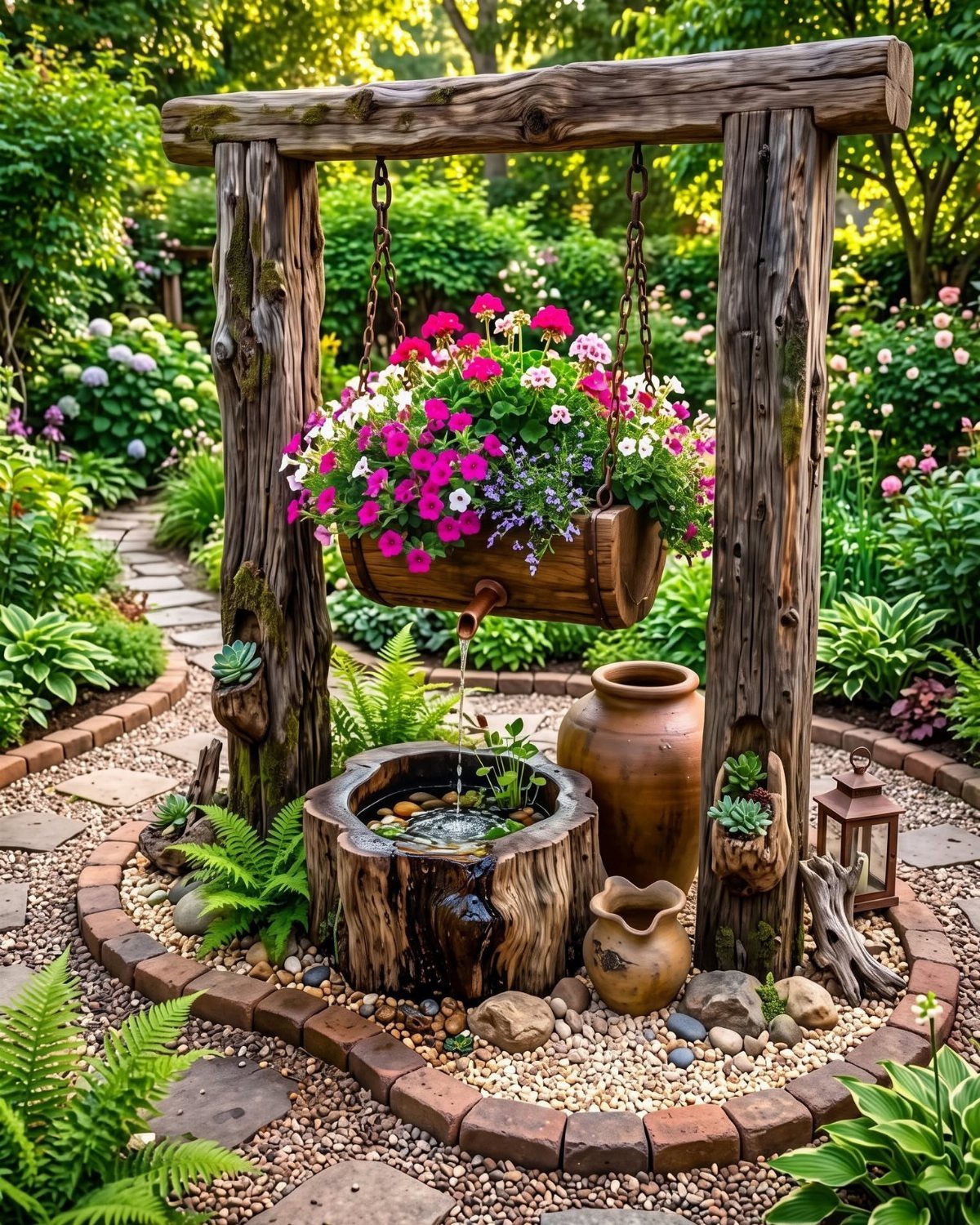
Garden art gives a yard a sense that someone lives here and made choices. A wind chime near a door announces breeze before you feel it; a stake at a path turn slows the walk and rewards the pause.
An arch and stump fountain built from scrap lumber carries the same principle: one piece that draws the eye, placed where the path brings you to it.
Sculptures work best against plain backgrounds, not competing beds. Metal rusts, ceramic cracks, resin yellows; pick your weather and accept the aging.
I like wind chimes in side yards where sound carries and sightlines are short.

ELEVATE ANY SPACE WITH COLOR: These large outdoor plastic planters feature an elegant and modern design. The faux gradient ceramic look, combined with delicate 3D textures, makes them resemble exquisite faux ceramic planters. They add an artistic ambiance to your front porch, patio or living room.

HAPPIER GARDENING - Prop up plants, flower pots and garden items above lawns, patios, and decking to rise above the challenges of stains, soil build-up infestation!

Natural Imitation Stone Appearance: These large plant pots feature a curved silhouette with raised detailing and a matte beige finish that mimics the look and texture of real stone, creating a natural, timeless accent for front doors, front porches, patios, entryways, and garden spaces. Size: 14” diameter x 20.5” height.
9. Gravel Pathways
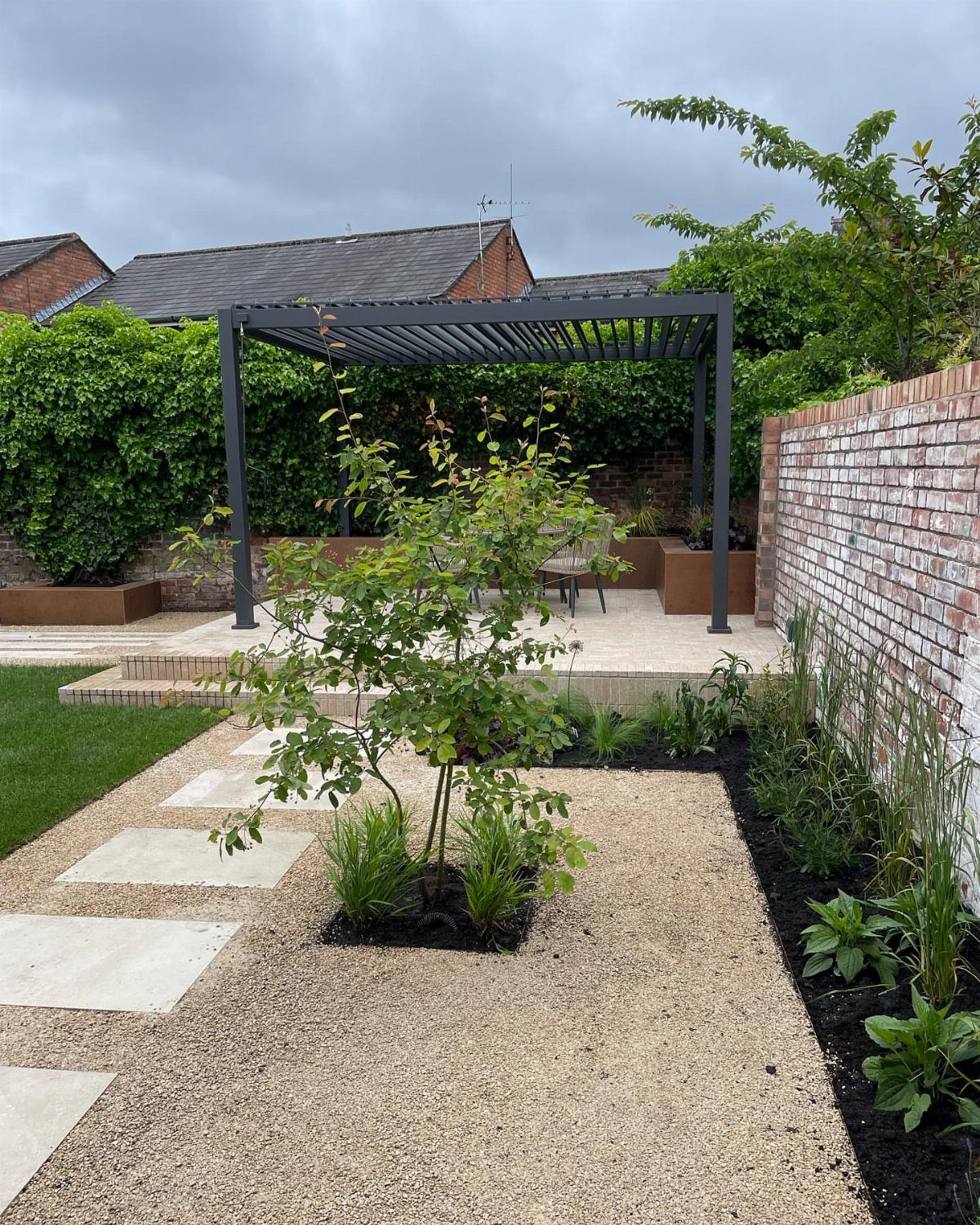
Gravel paths drain fast, stay mud-free, and cost less than pavers alone. Square stone slabs let you walk in shoes; pure gravel shifts underfoot and sprays into beds.
Excavate deep enough to shed water, lay landscape fabric, then compact a base of crushed stone before the top layer.
Without the base, gravel sinks and weeds push through in one season. Edging keeps gravel out of lawn and lawn out of gravel; steel strips or brick both work, buried half their height.
Drought-tolerant planting alongside reduces watering to one zone. The path does the structure; the plants do the living.

【Beautiful Decoration】Choose from timeless black, white or carbonized to match your outdoor style.The wagon bench’s smooth wood grain and simple design fit right into outdoor space—whether your space is modern, rustic, or anything in between.

【Beautiful Decoration】Choose from timeless black, white or carbonized to match your outdoor style.The wagon bench’s smooth wood grain and simple design fit right into outdoor space—whether your space is modern, rustic, or anything in between.

Premium HDPE Material: This outdoor bench is made with high-density polyethylene (HDPE), ensuring exceptional durability, weather resistance, and long-lasting performance in outdoor environments
10. Vegetable Garden
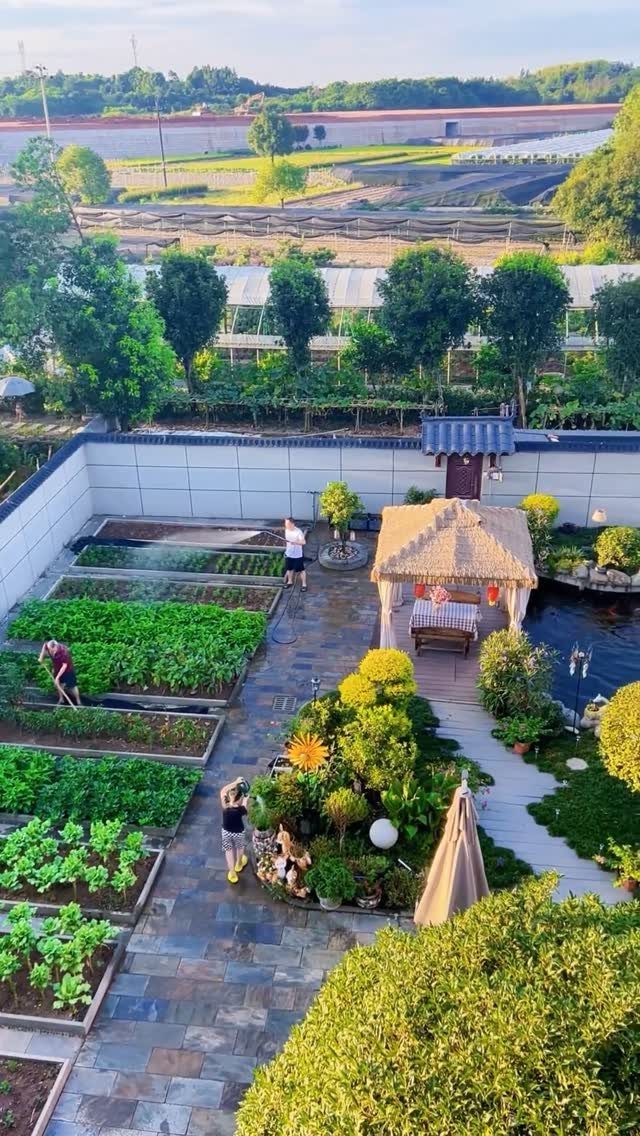
A vegetable garden needs full sun and soil you are willing to rebuild. Raised beds warm faster and drain better; in-ground plots cost less and hold moisture longer.
Rectangular beds keep paths clean and harvest reachable from both sides.
Width matters more than length: if you can reach the center without stepping in, the soil stays fluffy and the roots stay happy. Pollinators nearby increase yield, so place flowers at the ends or edges.
Test soil before you plant. Compacted lawn dirt will not feed tomatoes without amendment, and guessing wastes a season.

Halloween Pumpkin Pathway Lights Outdoor: 7Ft Outdoor halloween decorations walkway lights with 4 pumpkin lights and 4 stakes, add instant Halloween spirit to your outdoor space with festive pumpkin-shaped pathway lights. The classic jack-o'-lantern pathway lights creating a festive and welcoming atmosphere along walkways, driveways, gardens and yards Halloween parties and nighttime decorating

【STUNNING DESIGN】Our solar lights features a unique integrated lamp head design with a transparent lampshade. The 7000K cool white LED lights emit a bright and delicate glow that will enhance the beauty of your driveway, walkway, garden, deck, or patio

UNIQUE PATENTED SOLAR PATHWAY LIGHTS: US Patent intellectual property protected. Upgraded solar garden lights adopts a one-piece lamp head design, the lamp head imitated the diamond look, with high transparent acrylic material, which makes the light with strong transmission, large lighting area, super bright light output; The style is modern and simple, compact and delicate. landscape lighting to creates a romantic atmosphere for your home. Extremely pretty solar garden yard decor
11. Cozy Nook
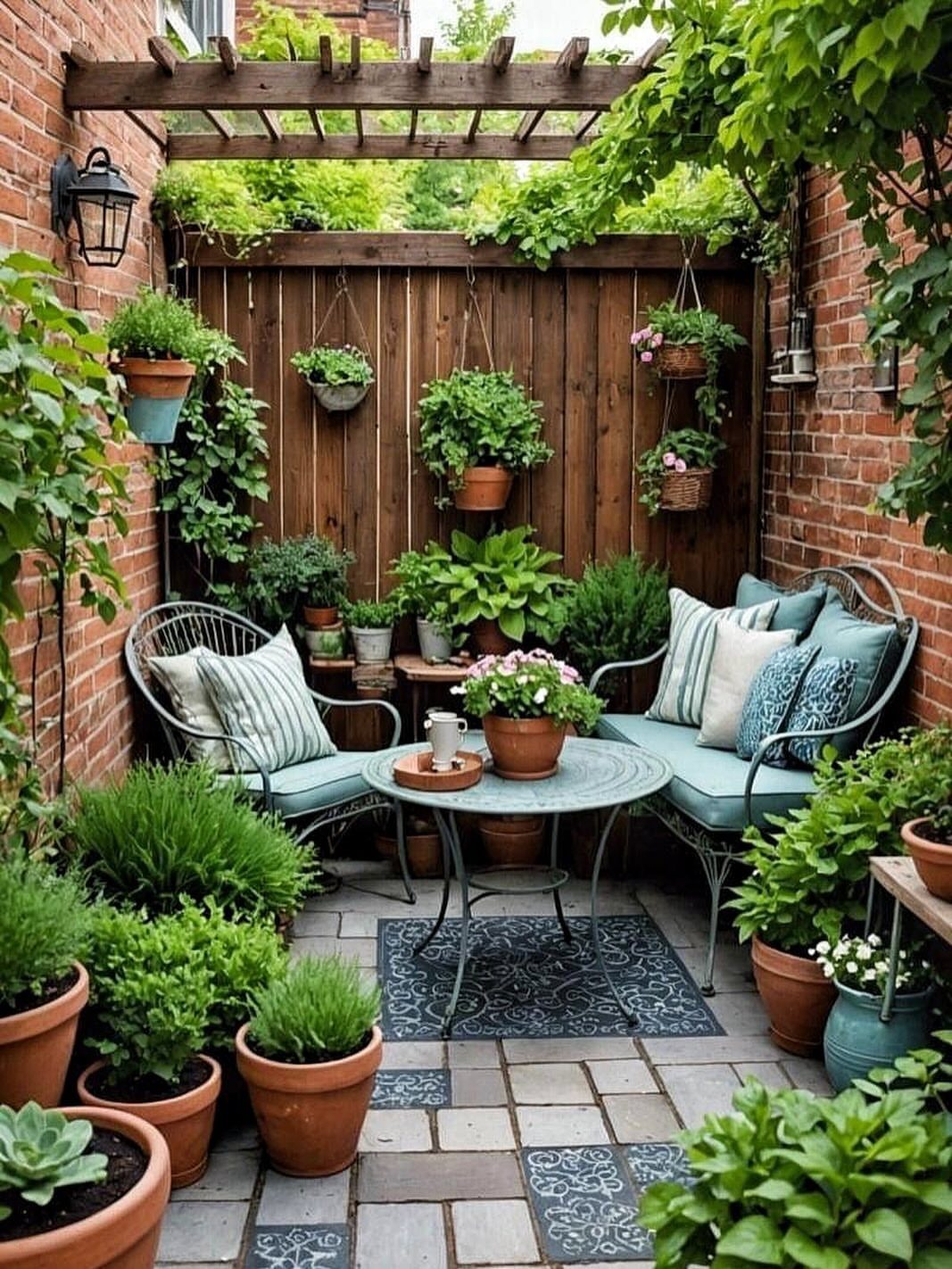
A nook is a small space made to hold one or two people, defined by walls or plants on at least two sides.
Brick and wood fence do the enclosure; potted plants soften the corners and let you adjust height without digging.
Before you build one, check sun at the hour you will actually sit there.
Morning shade with afternoon sun suits most people; full midday sun needs an umbrella or you will not use it in July. Seating depth matters more than style: enough to lean back, or it feels like a perch.
12. Compost Bin
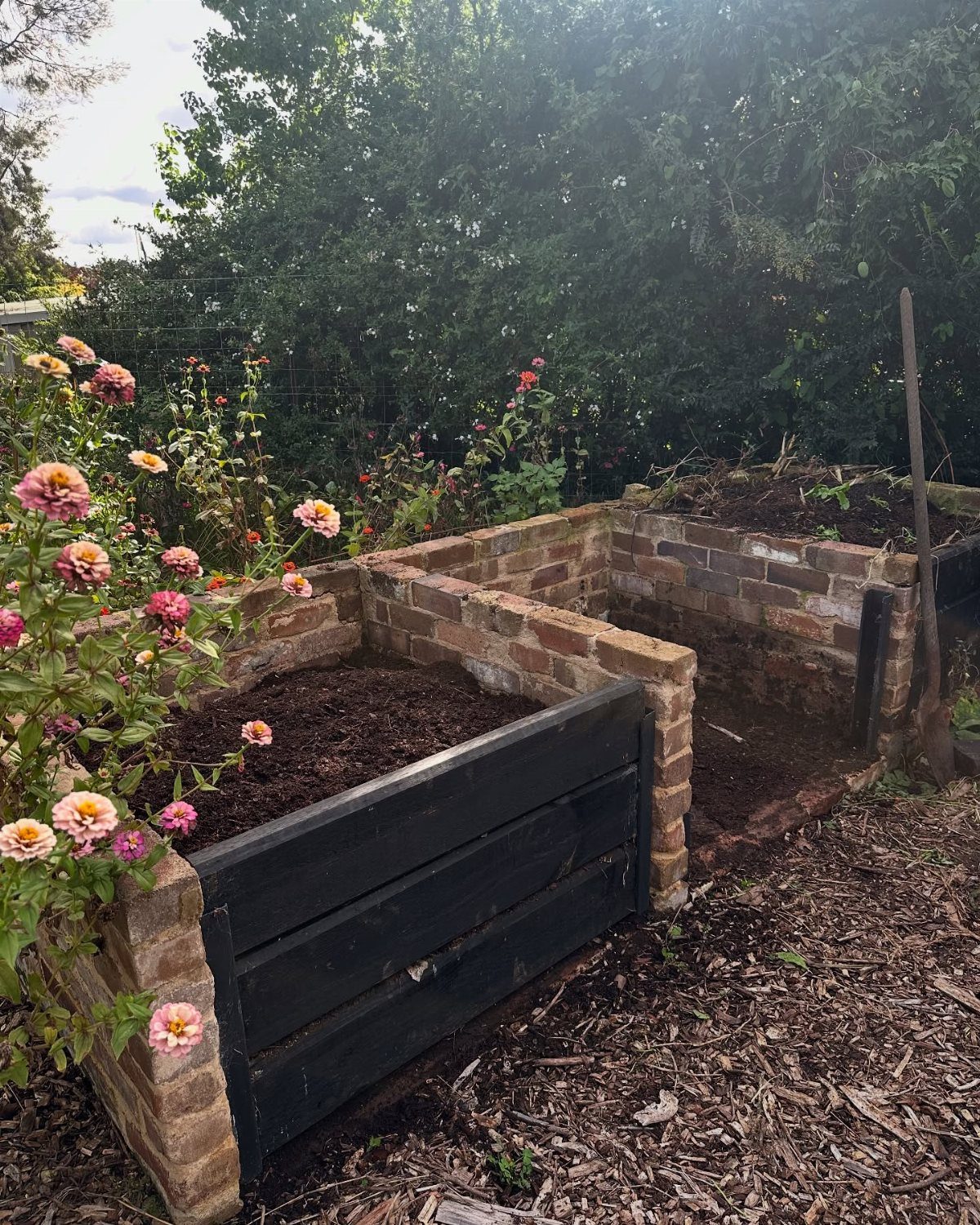
Composting turns kitchen scraps and yard waste into soil amendment, but only if you balance greens and browns and turn the pile.
A three-bay system lets one batch finish while another starts; a single bin means stopping input to let the bottom mature.
Meat, dairy, and oils attract pests and smell.
Eggshells, coffee grounds, vegetable trimmings, and dried leaves are the safe core. Shred material small, keep it damp as a wrung sponge, and turn weekly for finished compost sooner, or leave it and wait.
A bin against a back fence uses space you were not walking through anyway.
13. Bird Feeders
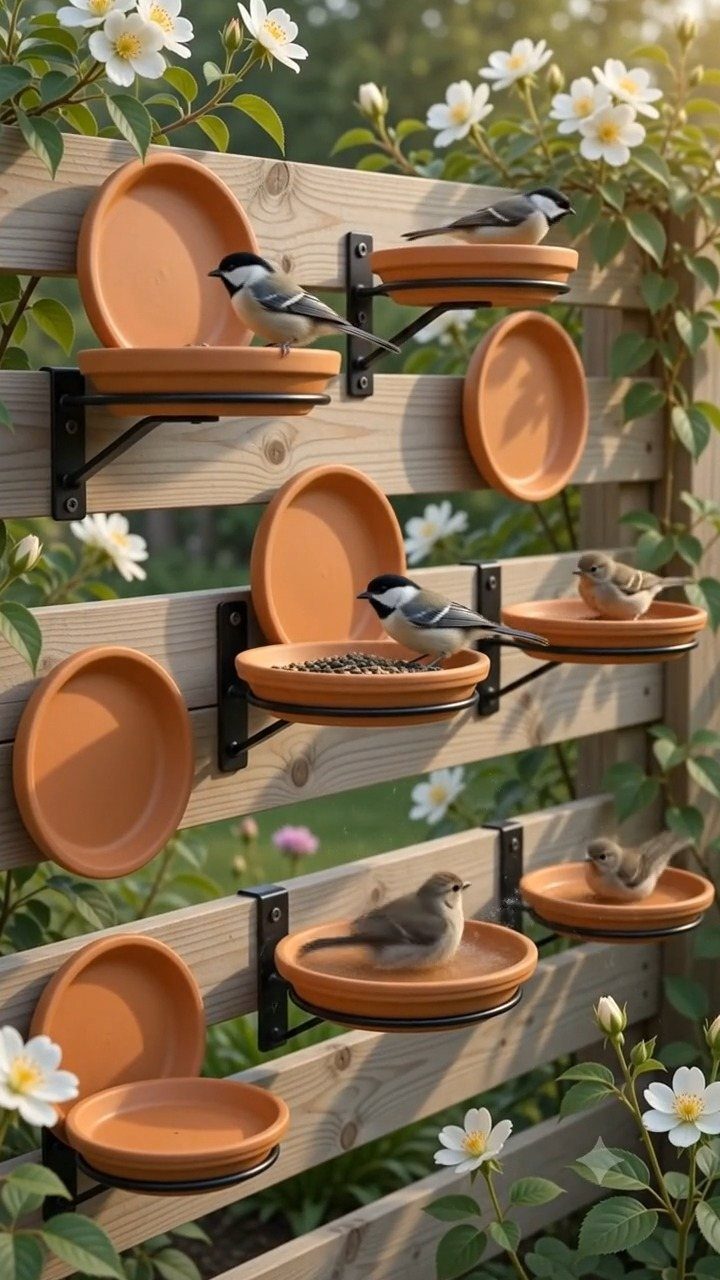
Terracotta saucers mounted to a fence with simple brackets keep seeds dry and give small birds a place to drink and bathe.
The saucer shape matters: shallow edges let birds wade without drowning risk, and the lip gives them somewhere to perch.
Place them where you will see them from a window you already sit near, or you will forget to refill them.
Mount high enough that a squirrel on the fence still has to leap and think twice; most raids happen because the feeder is an easy reach from any surface.
Water evaporates fast in sun. Check often in summer until you learn how fast your birds empty it, then settle into a rhythm.
14. Use of Garden Lattice
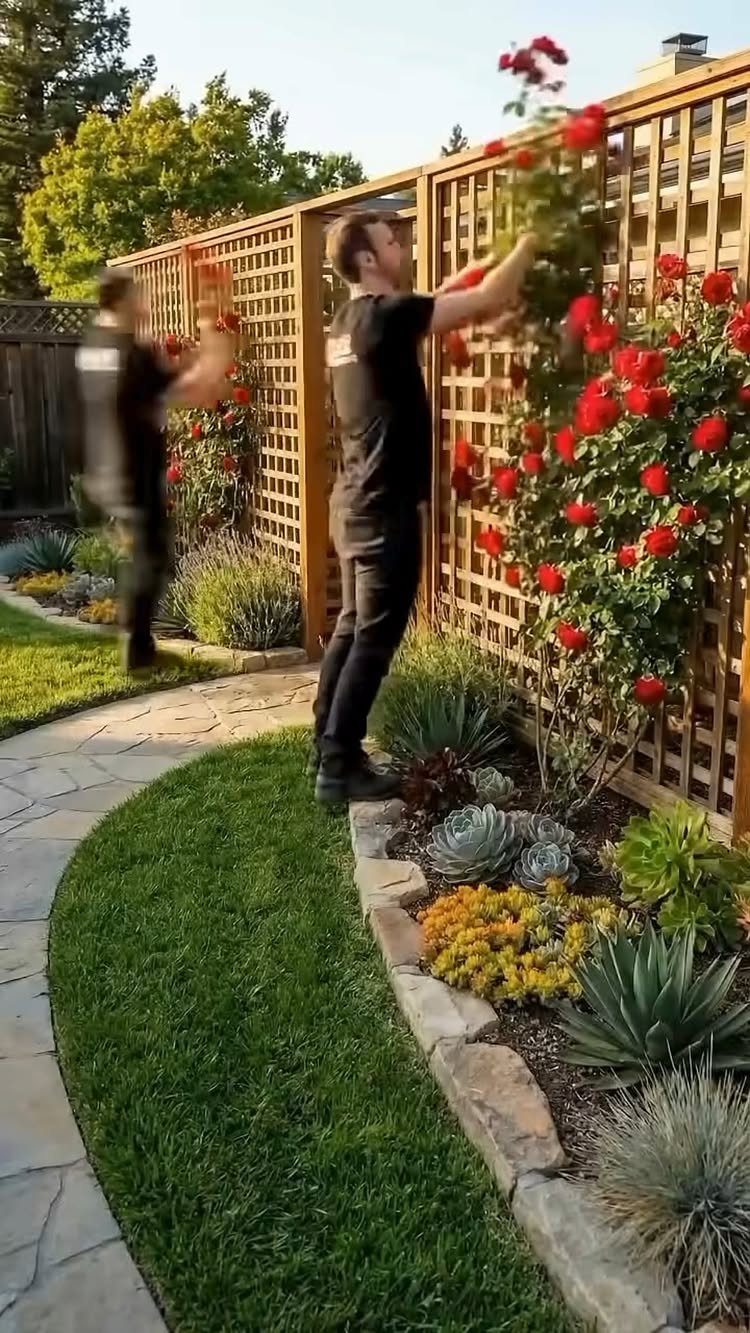
Lattice gives climbing plants a frame and gives you a wall of green where ground space is thin. Wood lattice against a fence handles roses, clematis, or beans; the plants do the visual work, the lattice just holds them up.
Pressure-treated lumber lasts longer but resists paint; cedar weathers gray and takes stain if you want it to disappear. Space the lattice off the fence so air circulates behind it and vines do not trap moisture against the wood.
In a small yard, a lattice panel can divide one area from another without blocking light. Plant both sides and the division softens in a season.
15. Ground Layer
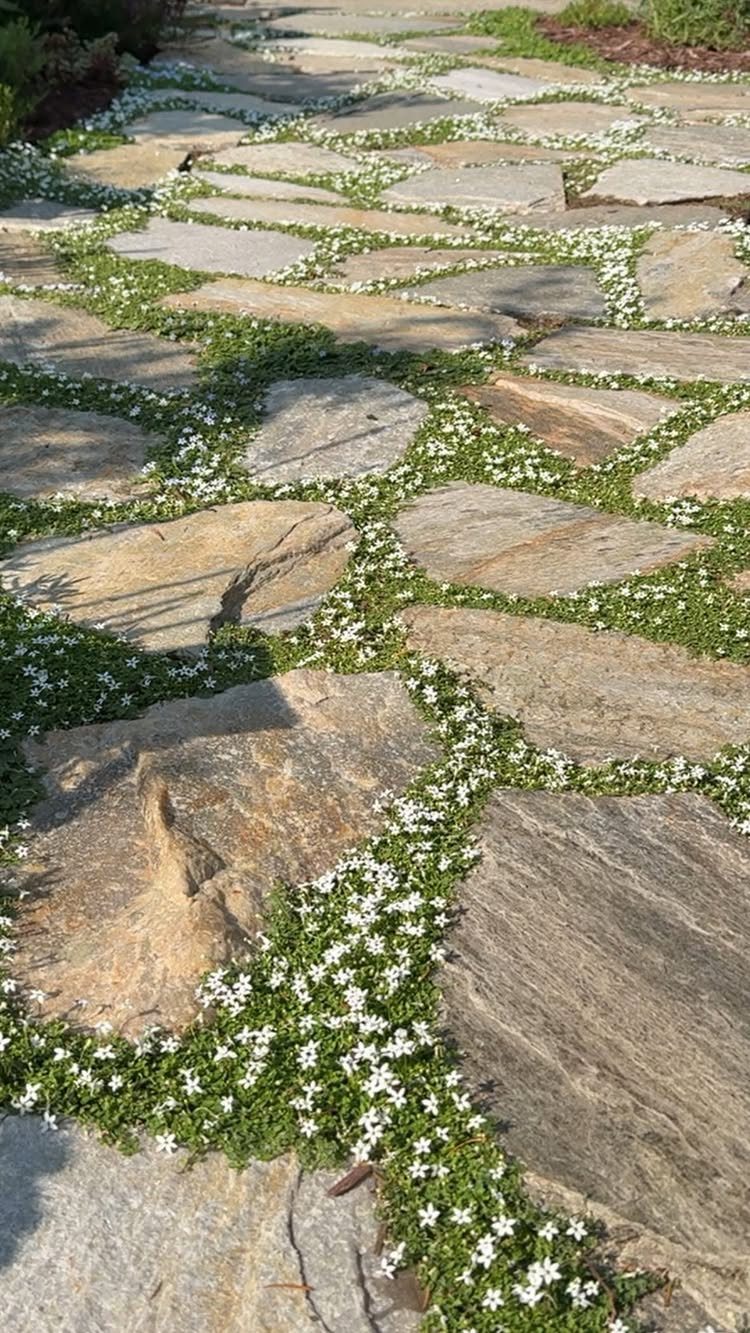
Ground layer is what fills the gaps: between stones, under shrubs, across the open bed. Low plants, gravel, or mulch all work; the choice is what suits your conditions.
In wind, river rock stays put where bark scatters.
In shade with decent moisture, creeping thyme or small-leafed groundcover softens stone paths and needs no replacement. Between irregular flagstones, plants that tolerate foot traffic, or at least occasional stepping, survive where delicate ones die.
Match the ground layer to what grows above it. Dry-loving groundcover under a thirsty tree fails when the tree roots steal what little water reaches it.
16. Cottage Garden
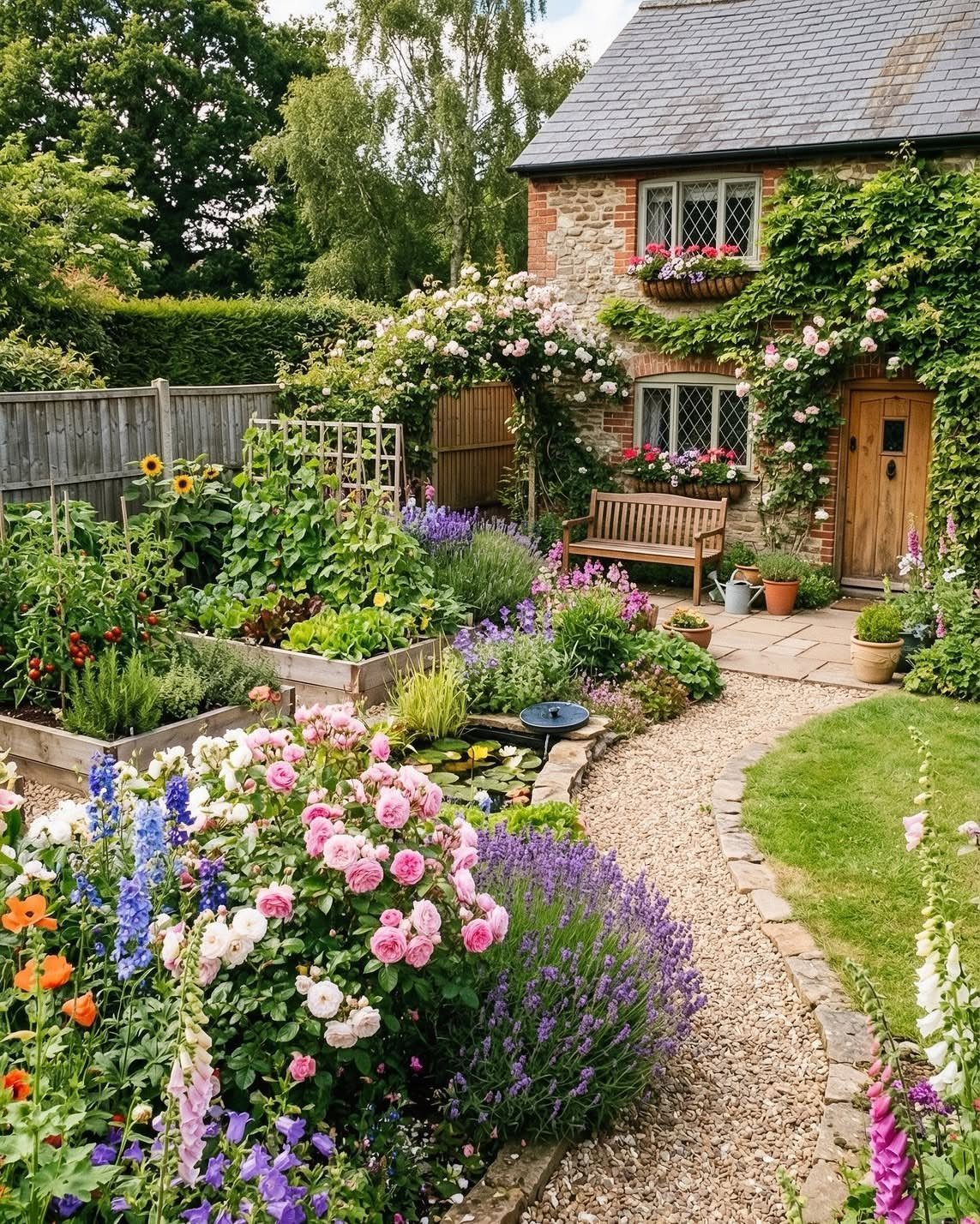
A cottage garden reads as abundant because nothing is spaced; plants touch, spill, and reseed where they fall. The look is controlled chaos, not actual chaos: choose a limited palette of shapes and let them repeat.
Rounded boxwoods or similar structural shrubs give the eye somewhere to rest; without them, dense color becomes noise.
Low grasses and cranesbill threaded through unify what might otherwise read as separate beds. Keep height low along paths, shin to thigh, or the space closes in.
Gravel, roughened cobble, or curving brick underfoot suit the style better than precise poured concrete. The hardscape should look like it settled there.
17. Raised Garden Beds
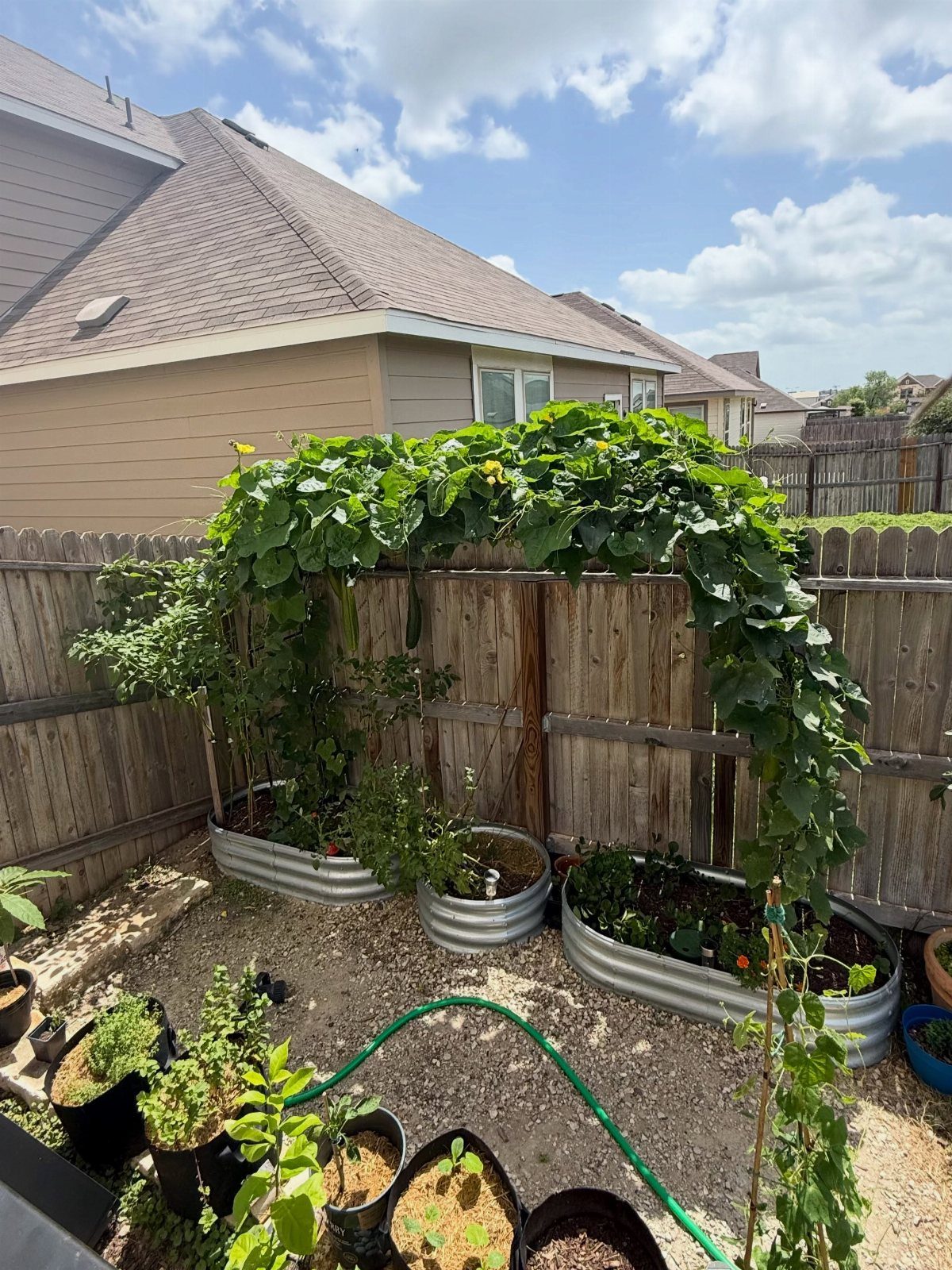
Corrugated metal raised beds warm faster in spring and drain better than ground-level soil, which matters for tomatoes and root crops. The metal heats too much in desert sun; in those zones, wood or stone is the kinder choice.
Height matters most for who will tend them.
A deeper bed means less bending; a shallower one costs less and still improves drainage over planting in the ground. Line the bottom with hardware cloth if gophers or voles work your yard.
An L-shape tucked into a corner uses space that otherwise grows weeds and collects blown leaves. Match the bed material to what sits near it, or the contrast calls attention to itself.
18. Fountains, Ponds
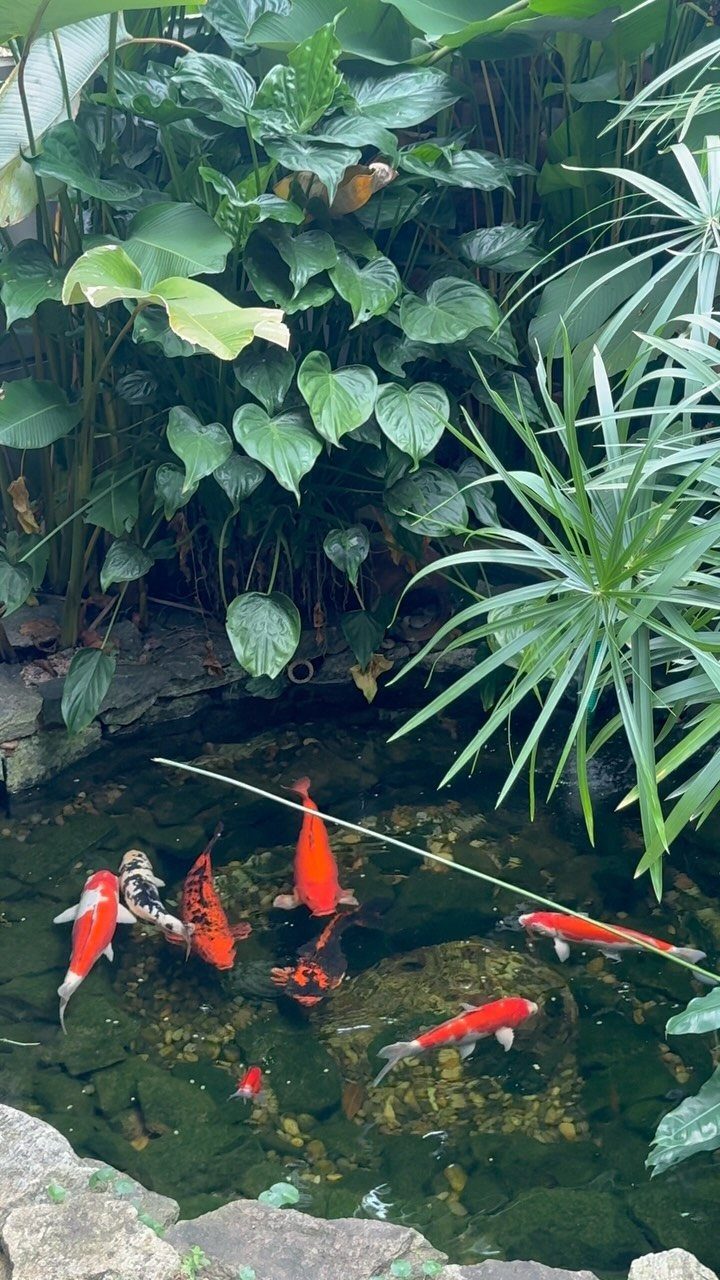
A pond with koi needs depth enough to protect fish from herons and raccoons, filtration, and regular attention to water quality. Running water makes noise without much fuss; the still pool beneath it is where the work hides.
A simple fountain recirculates from a reservoir you bury or set in a pot; no fish, no balance to maintain, just a pump to clean and a basin to refill.
Solar pumps work off-grid but stop when clouds arrive; wired pumps cost more to install and run consistently.
Place water where you hear it from a seat you already use, not tucked where you only glimpse it passing. The neighbor’s waterfall through the fence is free background sound if you arrange your chairs right.
19. Play Area
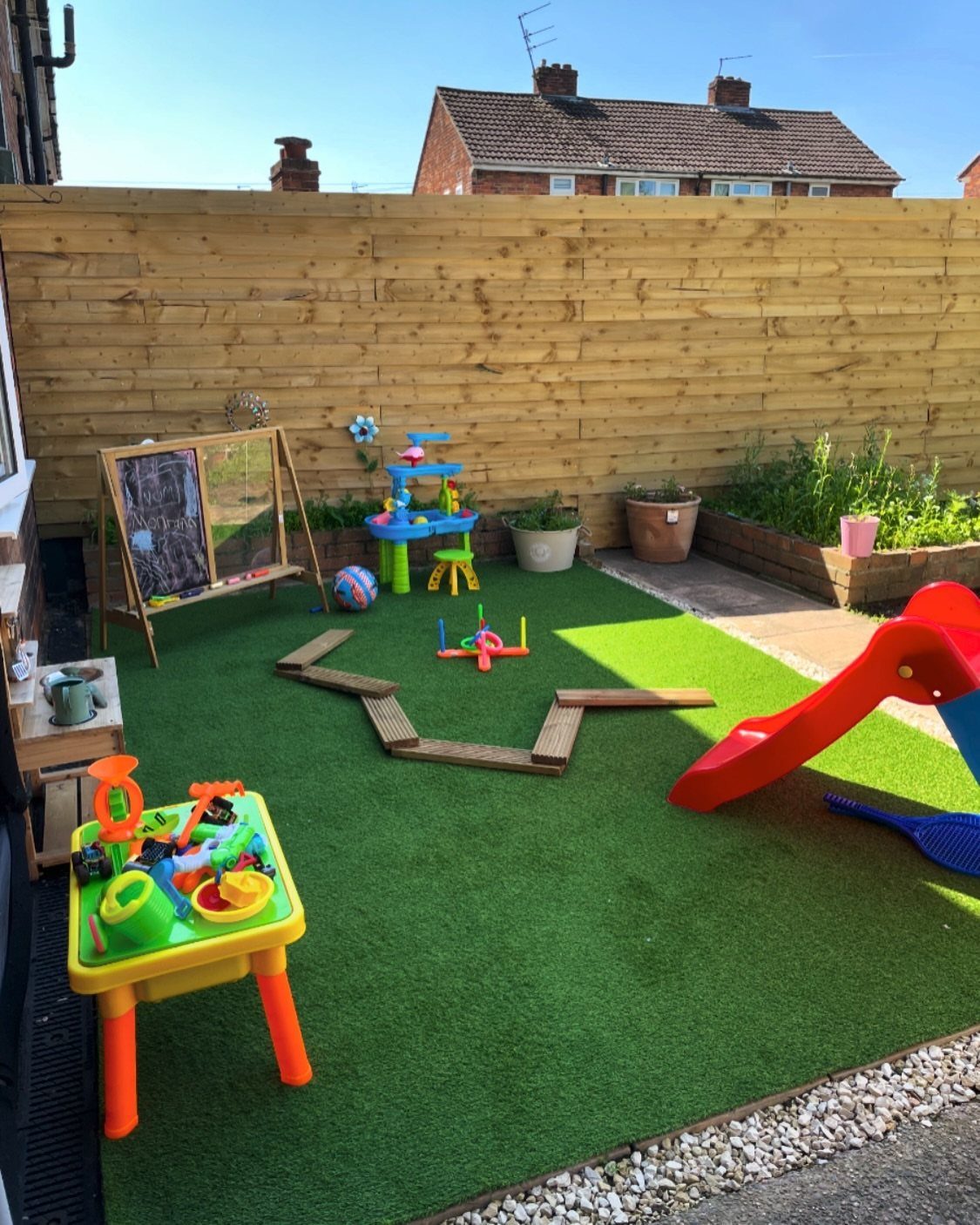
A play area keeps the yard in use after the kids are old enough to run but young enough to still want to be outside.
Artificial turf handles the foot traffic and mud that would kill real grass under a slide and balance beam.
A wooden fence defines the boundary so balls stay in and the space feels contained rather than exposed.
Chalk on an easel, a low balance beam, a small table for toys: these pieces move as the child grows, or out when they do. The turf stays.
Built-in seating around the edge tucks guests against the perimeter without claiming lawn space. Parents sit, kids play, the yard earns its keep.
20. Fire Pit
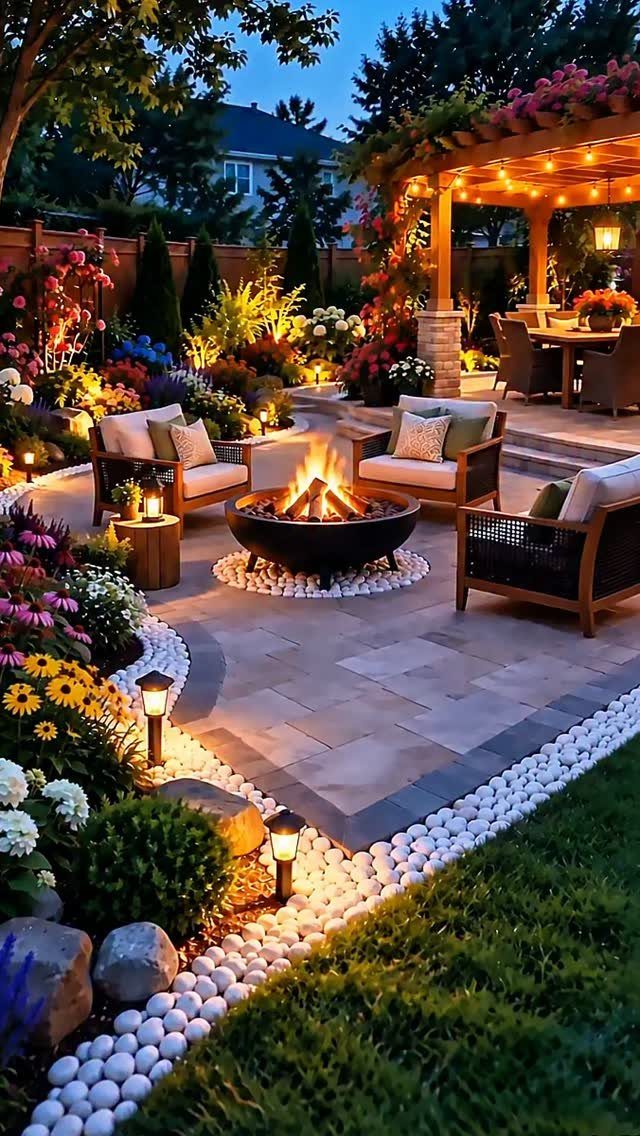
A fire pit pulls people outside on evenings when the air has cooled and the light has gone soft. The bowl shape contains sparks and focuses heat where chairs cluster; open flames in wind belong to campgrounds, not backyards.
Stone pavers underfoot stay stable and drain, unlike wood decks that require clearance and vigilance. White pebbles at the edge catch light and keep embers from reaching planting beds.
Armchairs with arms wide enough for a mug beat low lounges for actual use; you want to lean forward into the warmth, not recline away from it.
Place it where the glow reaches the house windows, so the invitation is visible from inside.
21. Stone, Wood
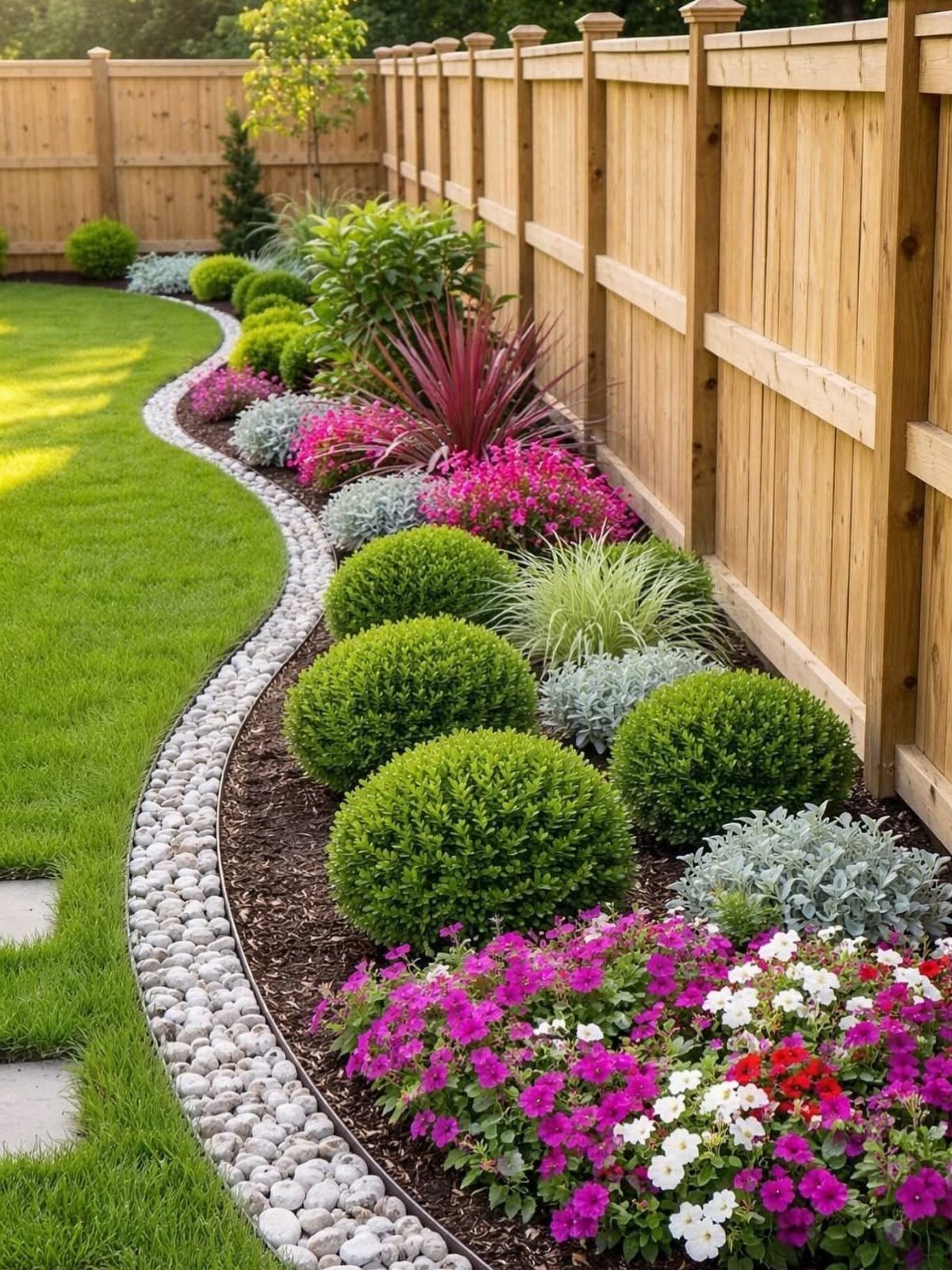
Stone and wood are the materials a garden returns to when it wants to look settled rather than staged.
Curved white pebble edging against a wooden fence separates lawn from bed without fighting the line of the fence; the contrast of warm wood and cool stone does the visual work.
Wood weathers, stone stays. Cedar or redwood accepts the graying; pressure-treated lumber resists rot but looks utility-grade until it does.
For edging, steel with a rubberized top lip gives a clean line and a stopping point for the mower string; concrete curbing lasts but cracks where roots heave.
Stone paths look right against a wooden fence because the 2 materials age together; metal edging beside flagstone fights it.
A wood fence wants wood steps or a wood retaining wall to read as one thought; stone beside it reads as deliberate contrast only if you mean it.
22. Garden Shed
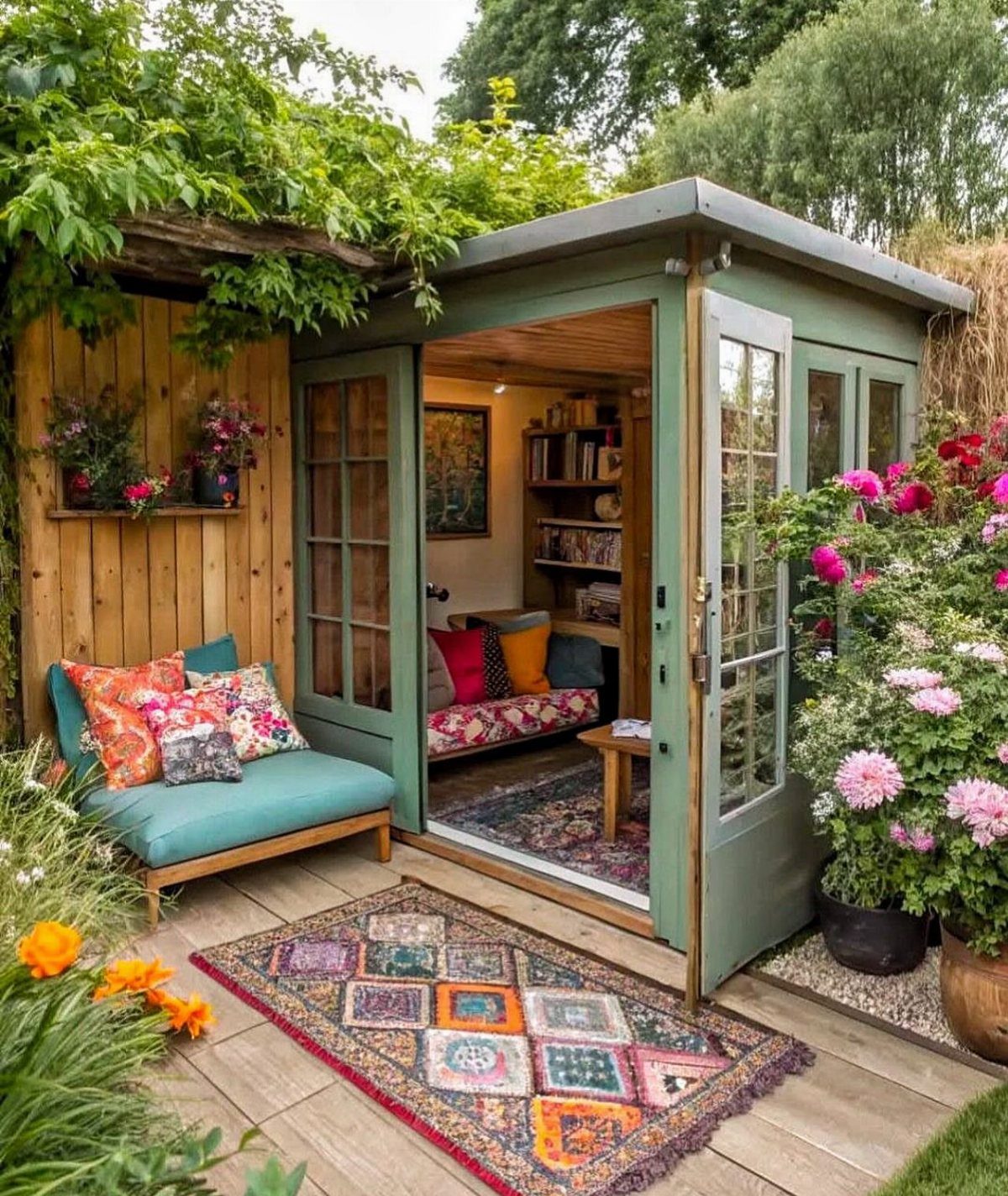
A shed stops being just storage when you give it a door that opens onto a deck and a window that lets light in for reading.
The sage green paint matches the garden rather than the house, so the structure belongs to the yard.
Shelves inside keep tools reachable; the same wall space holds books if you add a chair. A daybed on the deck extends the floor outward, and rugs define zones on boards that would otherwise read as bare stage.
The shed as reading room trades square footage for specificity: this is where you go, not just where things are kept.
Check the foundation before you load it. A wooden deck needs level footings or the door jams in wet seasons.
23. Incorporate a Greenhouse
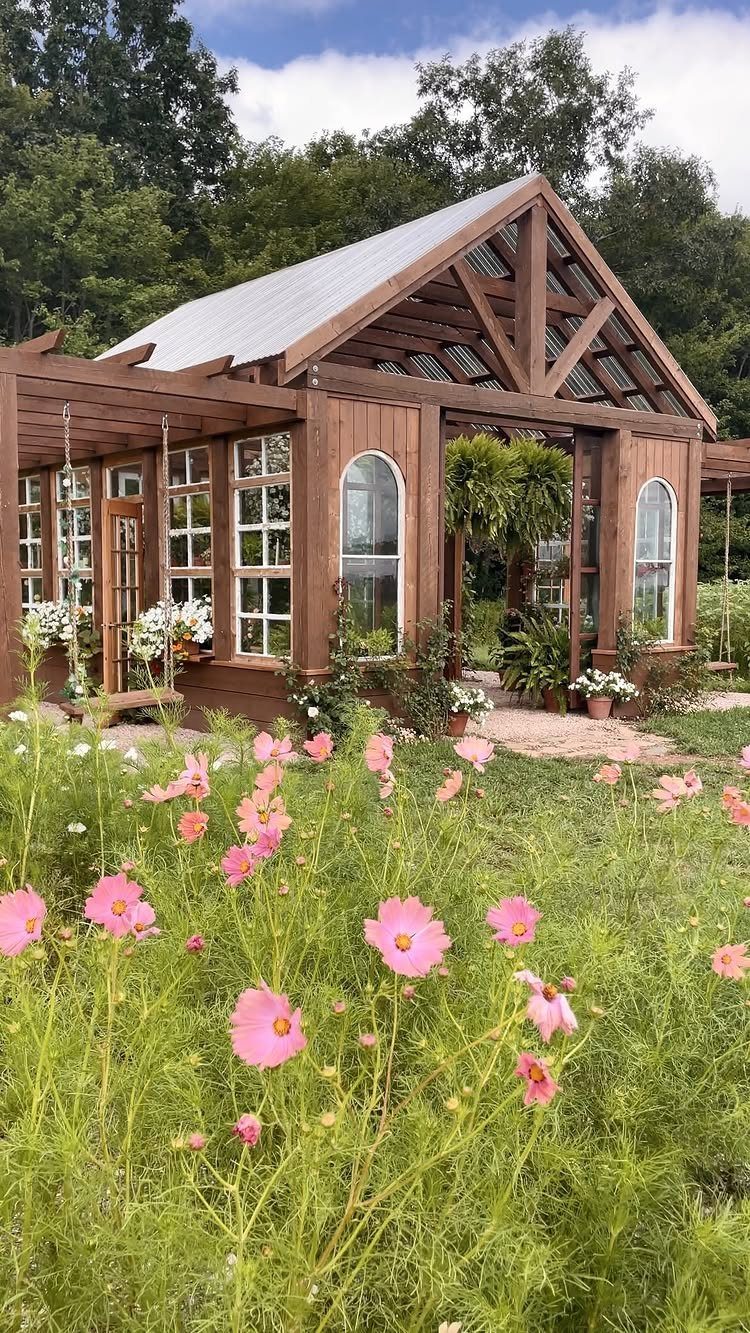
A greenhouse extends the season for starting tomatoes in March and keeping tender plants through frost. A wooden frame with real glass panels is a year-round structure, not the zip-up kind that folds in wind.
A pergola attachment with a porch swing turns the entry into a destination, not just a doorway.
The pitched roof sheds snow and summer debris; flat roofs pool water and leak. Cosmos planted around the base blur the line between cultivated and wild, and the pollinators they draw improve whatever you are growing inside.
A small greenhouse warms fast in spring sun. Ventilate on warm days or you cook what you meant to coax.
Planning Your Backyard
Start with what is actually there.
Before you buy a single plant or plan a bed, walk your yard at different hours and note where sun falls, where water pools after rain, and which windows look out on empty space that needs structure.
Function follows observation.
Rank what matters: outdoor dining, vegetables, a place to sit alone, a space for kids. Ground fills fast in small spaces, so the lowest-ranked wish is the first to go.
Where walls or fences close in the view, layered heights of planting draw the eye up and out past the boundary. Design turns what is limiting into what defines the space.
Maintenance Considerations
Low-maintenance choices start with the right plant in the right place.
Drought-tolerant species suited to your region need less from you once established. Natives that evolved for your conditions handle summer without constant intervention.
Hardscaping buys time back.
Gravel paths, stone patios, and concrete planters give the yard its bones without any Sunday spent with shears or hose. Artificial turf or no-mow grass varieties replace the weekly cut for those who want green without the machine.
Watering can run itself.
Drip irrigation and smart sprinklers cut the hand-watering chore. Limit your plant palette and repeat boldly; fewer varieties mean less to track and more visual impact than a scattered collection.
Budget-Friendly Tips
Small upgrades carry disproportionate weight.
Plants are the cheapest way to change a yard.
Native species cost less over time because they thrive with minimal attention. Pressure-washing a patio or deck refreshes everything around it for the cost of an afternoon.
I spend money first on what pulls me outside; everything else waits.
Creating Privacy
Privacy built like a fortress usually backfires.
Screen by sightline, not by perimeter. A fence line that feels too exposed softens with varied texture instead of a flat, clipped hedge.
Mixed plantings read as garden, not as a barrier, because the eye keeps moving through layers.
Shelter should land where people actually sit, not wrap the whole yard in a blanket. Potted plants on a deck, an outdoor rug underfoot, or a few strategic shrubs can divide dining from lounging without any wall at all.
Frequently Asked Questions
What is the 3-5-7 rule in landscaping?
The 3-5-7 rule is a planting guideline that uses odd numbers of plants in groups of three, five, or seven to create a natural, unstructured look that avoids the rigid symmetry of even-numbered plantings.
I have not used it in my own projects and cannot verify it from experience.
What are the golden rules for designing a garden?
Function comes first: decide how you will actually use the space before you plant.
Structure follows, then scale, seasonality, and how much upkeep you will do. A yard that tries to be everything at once usually ends up being none of them well.
How do I design my backyard garden?
Study what you have before you decide what to add.
Track sun and shade through the day, note where water pools or runs off, and figure out how you want to live in the space: eating outside, growing vegetables, or just sitting with a book.
One main use leads; everything else supports it.
What are the best plants for small gardens?
Plants whose mature size matches the space you have, not the size they are in the pot.
Compact evergreens, clumping grasses, and repeat-flowering perennials give more value than something that outgrows its spot in 2 seasons. Use fewer varieties in larger groupings; repetition calms a small space down.