These 7 vegetable garden box ideas run from under $250 ready-made to the cost of thick cedar boards and a weekend of cutting, with the deciding factor being what your ground and your body can handle.
[link-whisper-related-posts]1. DIY Raised Garden Bed – Cedar
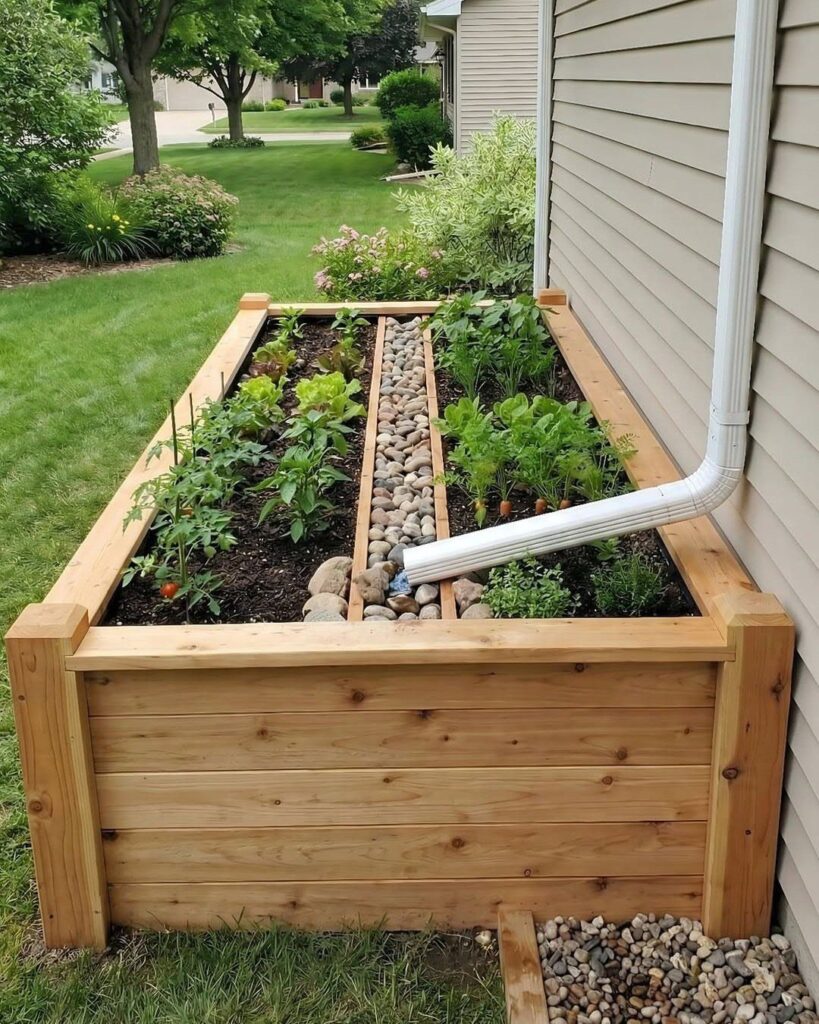
Cedar raised beds sit in the ground longer than pine or fir before they start to give, and the grain weathers to a soft silver-gray that still looks intentional years later.
Thick-cut cedar boards last; thin cedar will cup and split faster than the money saved is worth. I built my first set with thick boards after watching a neighbor’s thinner cedar warp inside a couple seasons.
Untreated cedar is the only wood I would put against vegetables; pressure-treated lumber carries chemicals I do not want leaching near tomato roots.
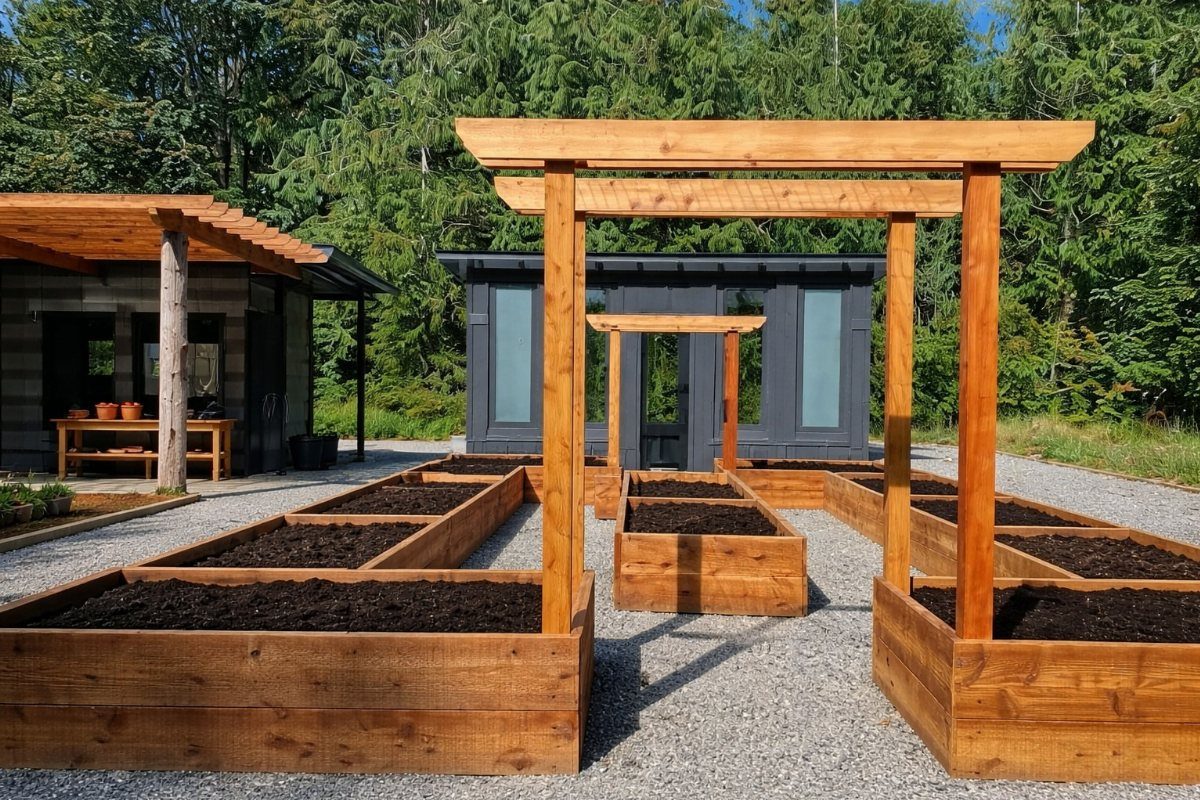
Arbor entryways built from matching cedar posts and crossbeams turn a row of boxes into something that feels like a garden room.

Elevate Your Garden - Opt for a brilliantly engineered raised garden bed to revolutionize your gardening. Its spacious design, measuring 48x24x30 inches, allows for the cultivation of multiple vegetable varieties alongside a plethora of herbs, optimizing your gardening space for ease and diversity.

100% Cedar Wood: Our garden bed is constructed using sustainably sourced cedar wood, known for its durability against the elements.

SPACIOUS PLANTING AREA:The 48"L × 24"W × 30"H raised garden bed provides ample space for vegetables, herbs, flowers, and fruits. Its spacious design supports healthy plant growth with a 300 lb weight capacity.
2. Garden Boxes with Trellis Arches
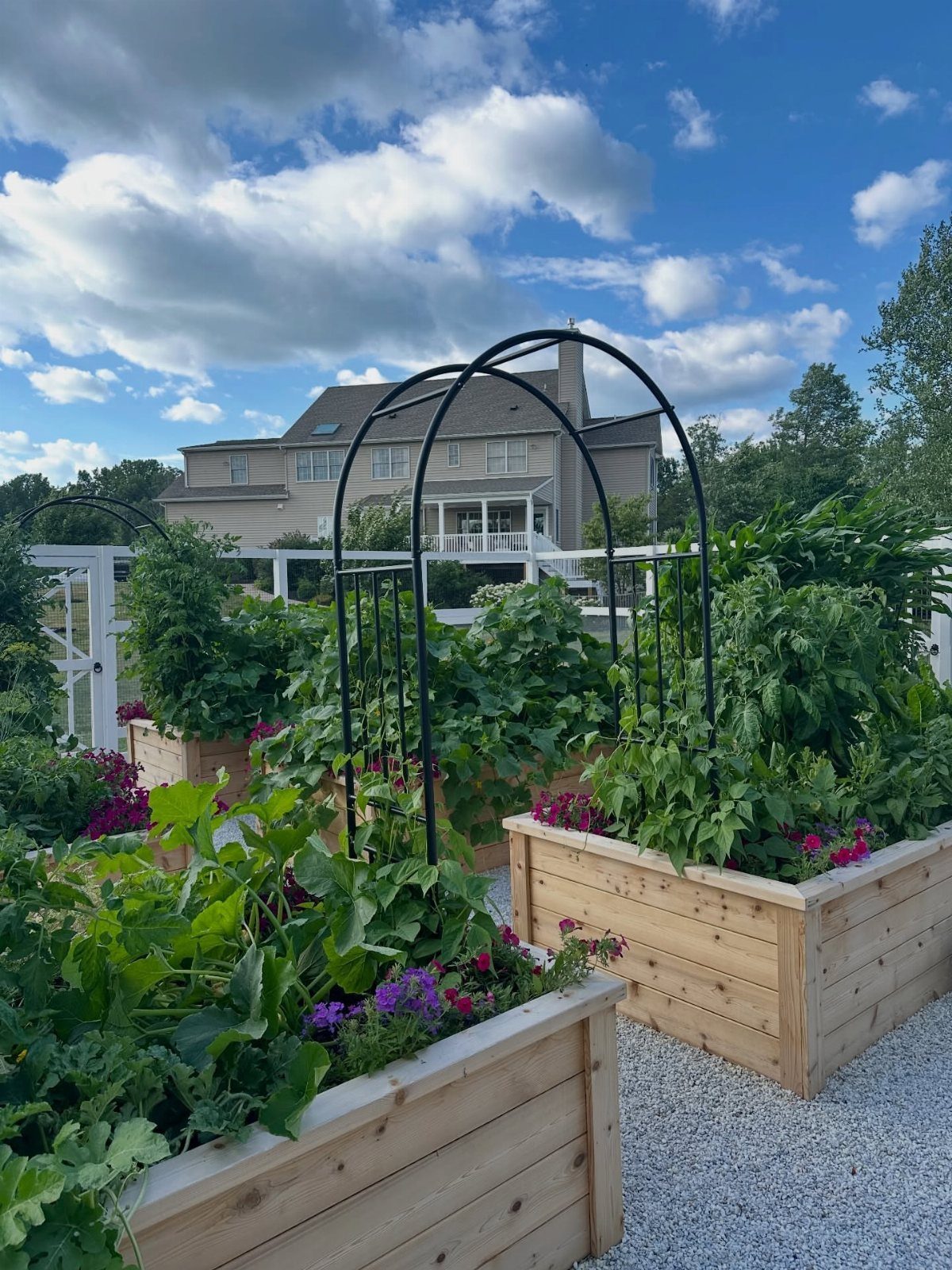
Metal trellis arches turn a standard raised bed into vertical growing space without waiting years for a permanent structure to settle.
The black arches spanning these beds are slim enough to walk under but strong enough to hold pole beans, snap peas, or a climbing squash that would otherwise sprawl across every path.
I have seen versions welded from rebar and others bought ready-made; the ready ones save a weekend if the budget allows. A gravel base keeps mud from the walkway, which matters more than it sounds in a wet spring.
What to check before ordering: arch height against your own, and whether the feet need anchoring into the bed frame or simply rest against the soil.

ELEGANT GARDEN ARCH TRELLIS – Transform your backyard into a beautiful garden retreat with this classic black metal garden arch. Create an inviting entrance along pathways, over garden beds, or among your favorite flowers and climbing plants.
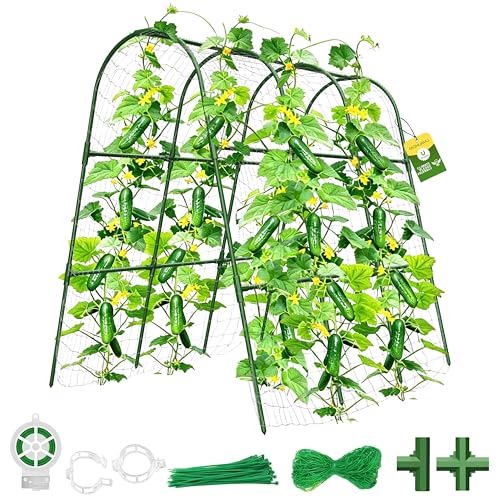
【U-Shape Stability Structure 】 U-frame trellis is more stable than A-frame trellis. Allowing you to plant a row on both sides. The arch design maximizes the garden space.

Maximize Small Garden Space – Make the most of raised beds and compact gardens with this 7.3 ft U-shaped garden arch trellis. It trains vines to grow vertically, improves air circulation and sun exposure, and helps you harvest larger, healthier fruits and vegetables in limited space.
3. Cold Frame Greenhouse Garden Beds
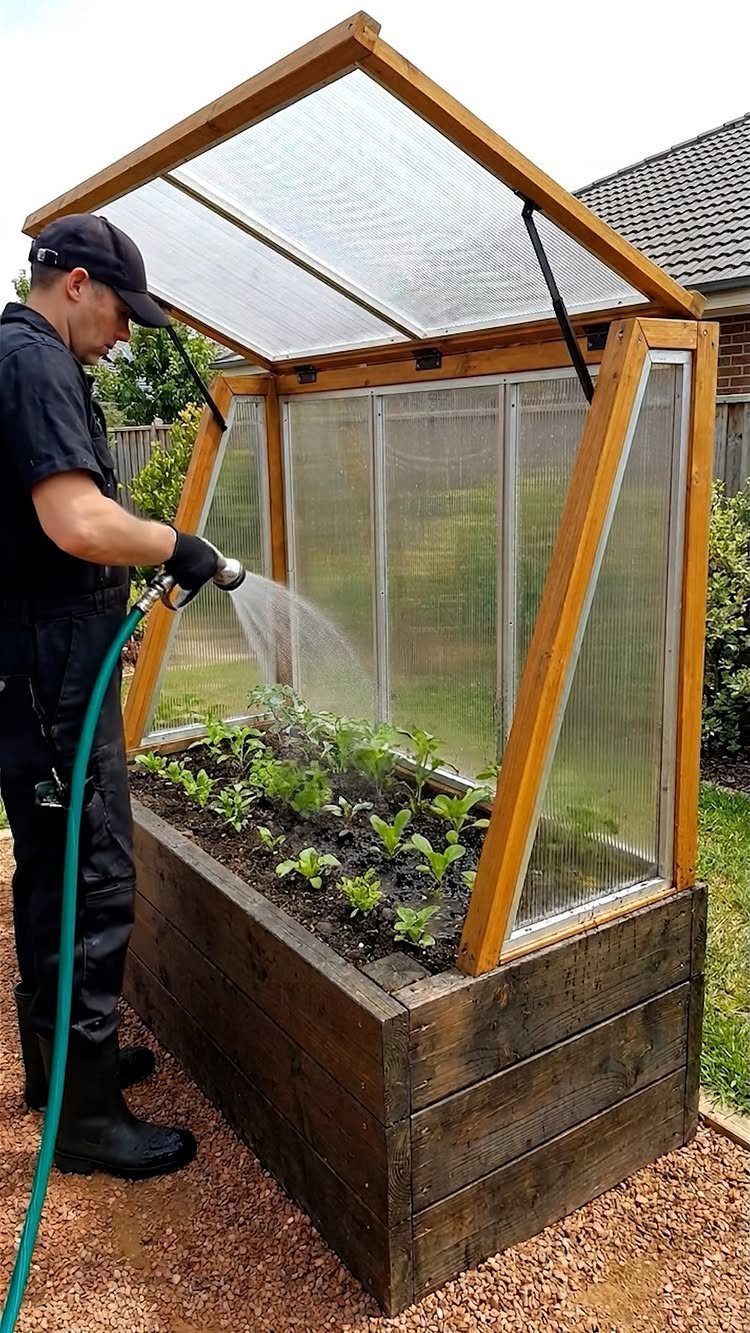
A hinged lid of polycarbonate turns a raised bed into a cold frame that stretches the growing season at both ends.
The lid in the photo props open with a simple stick, which is all the ventilation you need on a mild March day; close it before dusk and the trapped warmth keeps lettuce and spinach from stalling.
The wood frame needs to be squared well, since the lid must seat flat to hold heat.
I would line the interior with hardware cloth if rabbits or voles are common where you garden, because a cold frame full of tender seedlings is a buffet they will find.
Water through the open lid or install a small soaker line before planting, since reaching over the frame gets old fast.

COMPACT GROWING SPACE - This cold frame for gardening gives seedlings, herbs and young vegetables a protected place to grow in patios, balconies, terraces or backyard corners

[Extend the Growing Season]: Protect emerging seedlings from chilly spring or fall temperatures with the cold frame greenhouse, allowing you to prolong the growing season. Hence, you can enjoy increased harvests and healthier plants as you extend crop rotation well beyond traditional limits.

[Extend the Growing Season]: The protective covering of the wood garden greenhouse will tender plants from late-season chills and keep unwanted guests at bay. Hence, it will ensure an extended cultivation time and robust, healthy plant development.
4. Tiered Wooden Garden Box
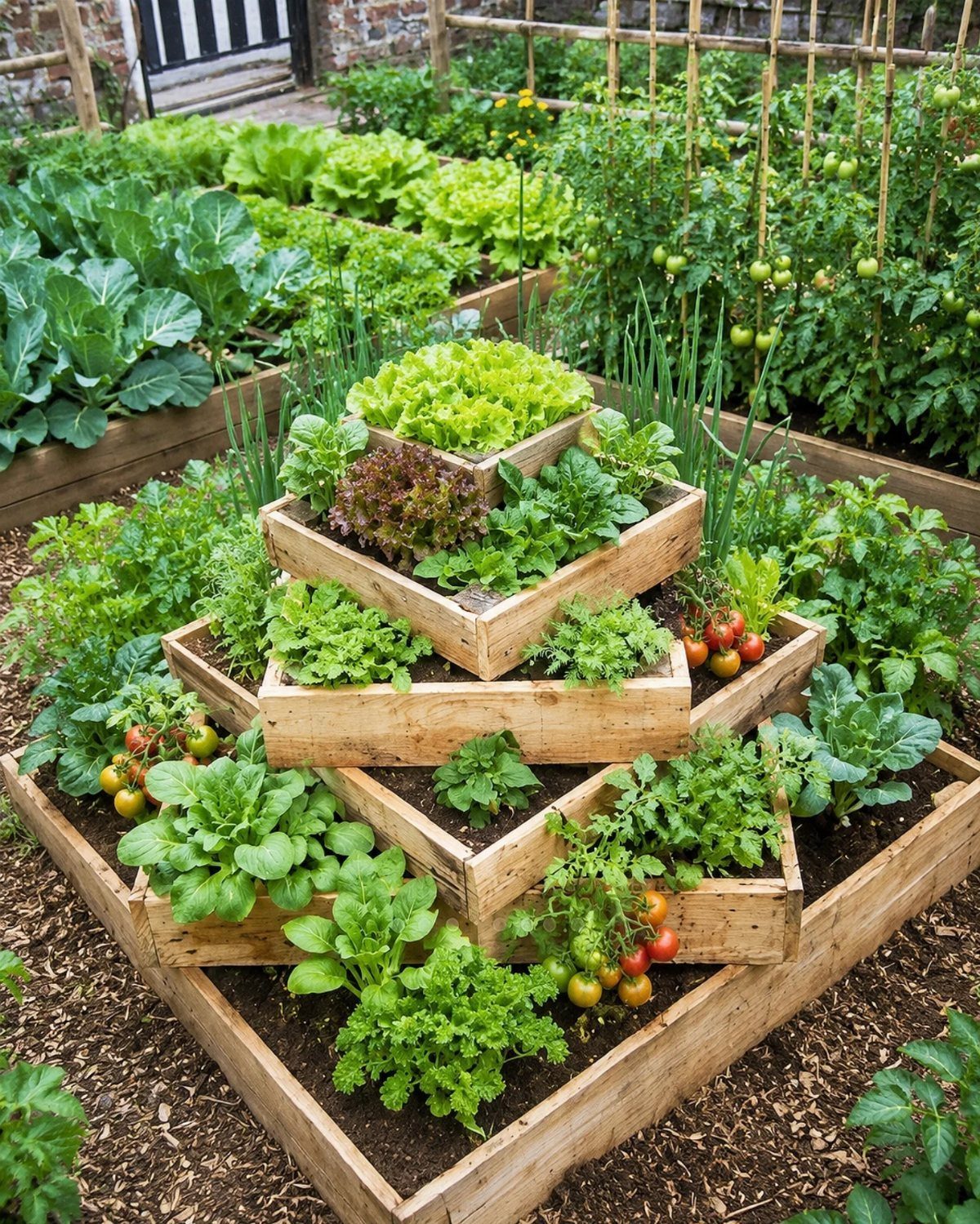
Rotating tiers let you grow deep-rooted vegetables below and shallow ones above in the same footprint, which matters when the sunny spot in your yard is smaller than your ambitions.
Stacked boxes that turn in alternating directions let each tier catch light from a different angle so nothing sits in shadow.
Cedar or another rot-resistant wood is worth the cost here; standard pine in a tiered build will have wet soil pressed against multiple joints, and that is where failure starts.
Assembly takes more cutting than a single-level bed because every tier is a separate box, but you get six or more plant varieties in a space that flat ground would hold two.
I would anchor the bottom tier to stakes driven into the ground; tall tiered boxes can shift as soil settles and water drains.

【SIZE】: Vertical garden planter size: 33.1*18*28.7 inches.
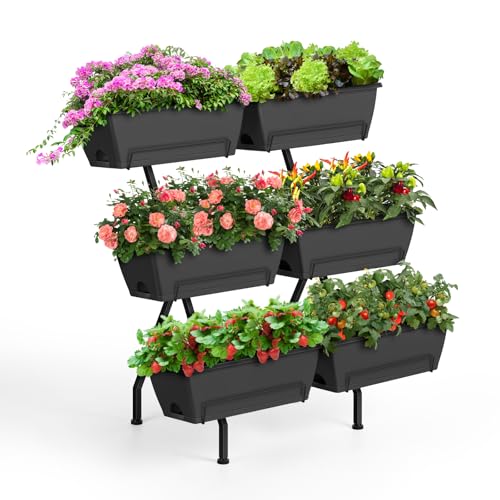
【Space-Saving Vertical Garden System】 Six stackable planters transform tight spaces into lush gardens – perfect for urban balconies, small patios, or indoor greenery. Strategically alternate herbs, flowers and vegetables across tiers to create your perfect mini ecosystem.
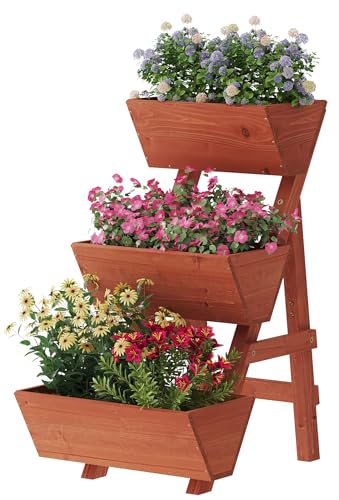
【SIZE】: Vertical garden planter size: 16.5*17*27.8 inches.
5. Garden Boxes with Mesh Covers
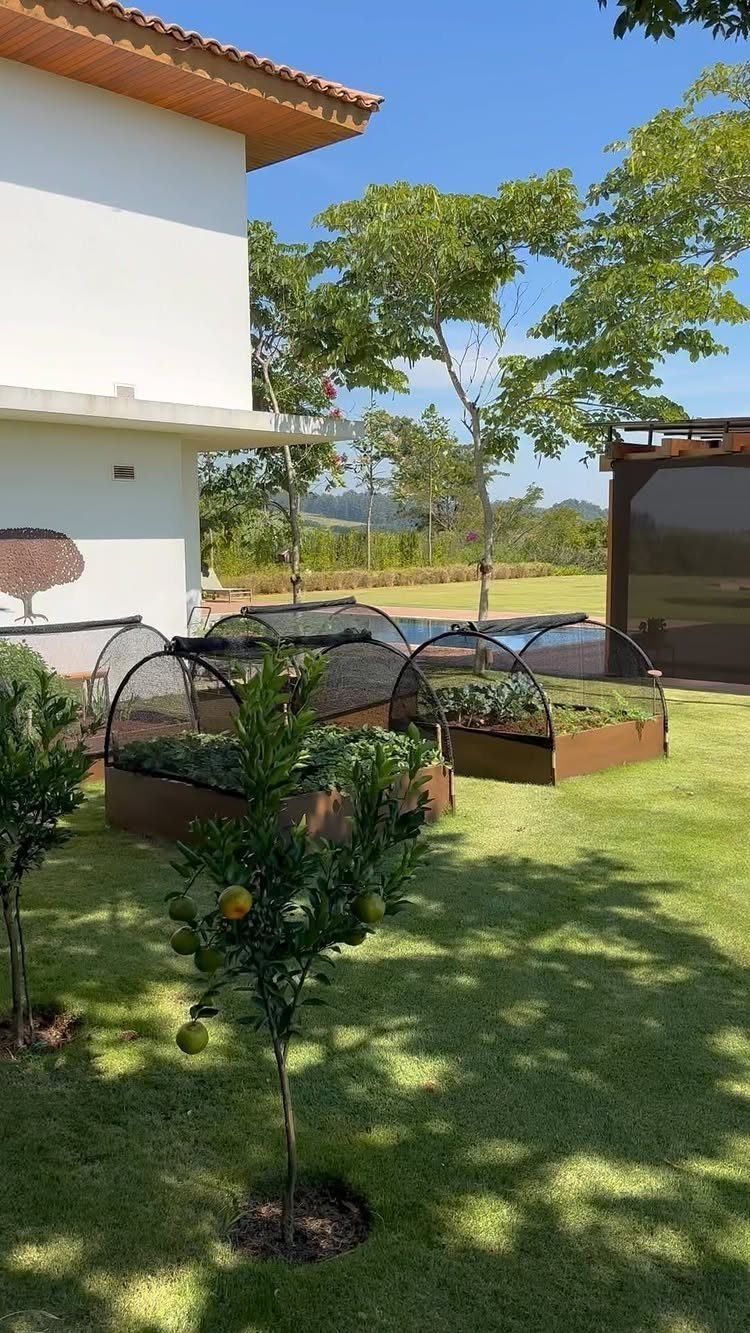
Arched mesh covers keep birds, rabbits, and most insects out while still letting rain and light through.
Bent metal or thick wire set into the bed corners supports the mesh, which is draped over and held at ground level with landscape staples or heavy rocks.
What to decide before buying mesh: the hole size. Quarter-inch keeps out cabbage worms and leaf miners; half-inch stops birds and rabbits but lets pollinators through to tomatoes and squash.
Mesh covers work best on beds with soil already filled to the brim, so the mesh does not drag in the dirt and tear.
I would build a simple door into one side or plan to lift the whole frame off for harvesting, because crawling under mesh every few days gets tiresome fast.

Versatile Garden & Animal Fencing:For garden borders, vegetable gardens, chicken runs, rabbit pens, poultry enclosures, raised beds, and outdoor DIY projects

36 PCS Garden hoops for Raised Bed : Greenhouse Hoops frame widely used indoors and outdoors, great for the yard, vegetable garden, and garden raised beds. DIY Garden Hoops Grow Tunnel Kit works well to protect your plants, seedlings, herbs flowers,strawberry in any season gardening plant.Plant support for climbing plants,plant stakes for outdoor plants,Tomato support garden stakes.

✅ Premium 1/4 Inch Hardware Cloth: Precision-welded 1/4-inch × 1/4-inch square openings ensure optimal strength and visibility—ideal for hardware cloth applications requiring fine containment and protection.
6. Corrugated Metal Raised Beds
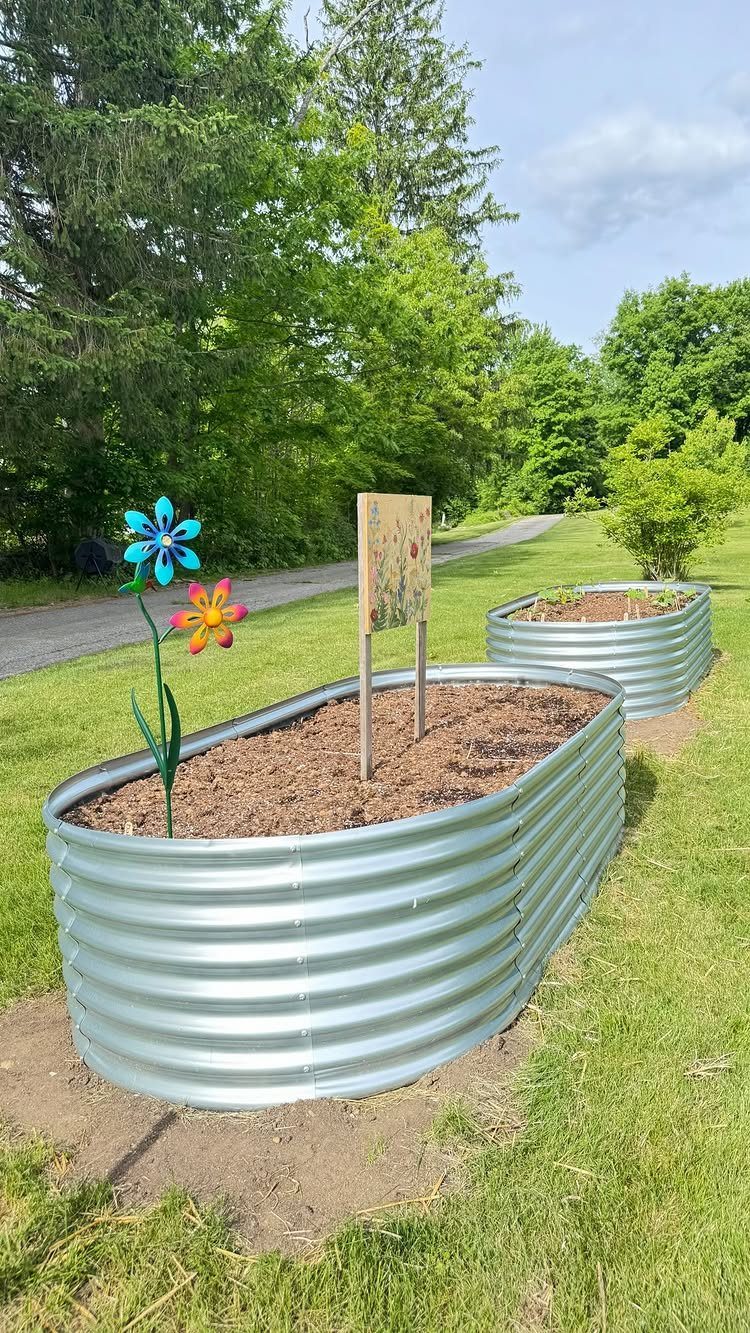
Corrugated metal sides give the farmhouse look without the full lumber bill of an all-cedar build.
The oval shape is a ready-made kit; if you are cutting your own, the metal will need a frame inside to keep the oval from collapsing inward once soil presses against it.
Galvanized steel lasts longer than the thin aluminum sometimes sold for this, and the rolled top edge on these beds is worth seeking out, since raw corrugated edges slice skin easily.
What to check: whether the bottom is open to soil or has a base. Open-bottom beds drain naturally and let roots reach subsoil nutrients; bases work only for deep containers on hardscape.

Multifunctional Design: This garden planter is separated into two growing areas for different plants or planting methods. The baffle can be removed to form a bigger growing area.

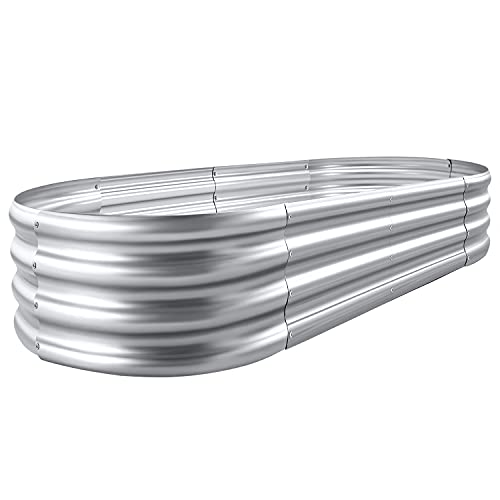
Each raised metal garden bed size: 4×2×1ft ,7.14Cu
7. Wood and Corrugated Metal Hybrid
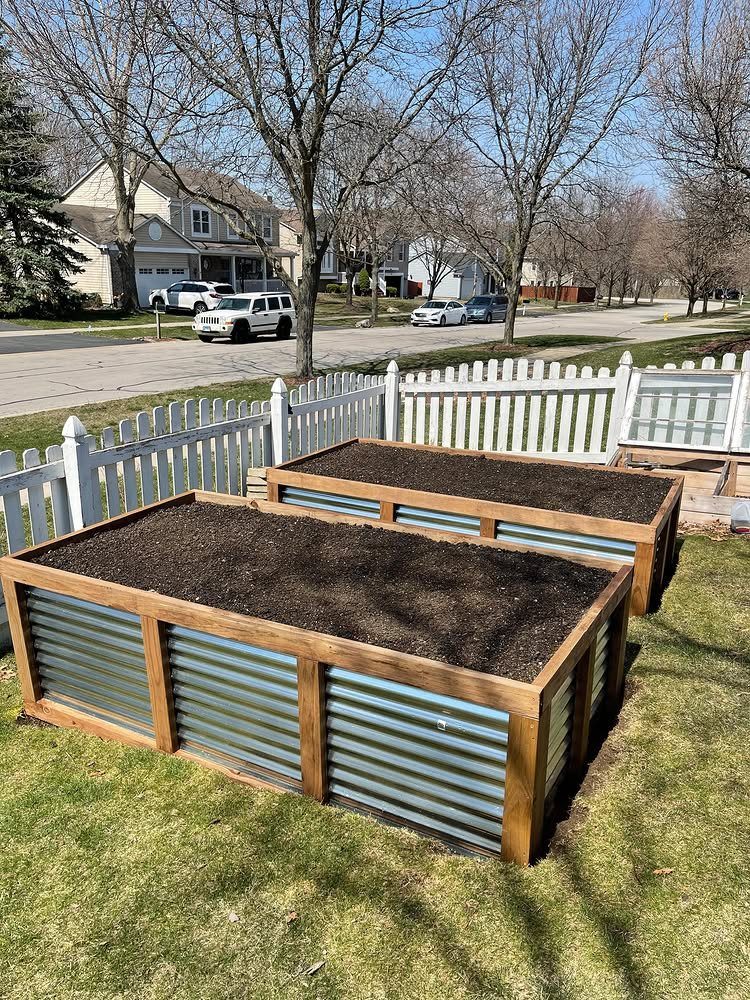
A wood frame with corrugated metal sides splits the difference between the all-cedar look and the full-metal farmhouse style, and it costs less than solid cedar boards for the same height.
The metal panels are thin enough to bow once soil presses against them, so the wood frame is doing real structural work, not just trim.
I would use 4×4 posts at the corners and mid-span supports buried below frost line if your winters freeze hard; without that anchoring, the long sides can push outward over a season or two.
Galvanized roofing panels last, but the cut edges are sharp, so a wood cap rail along the top edge is not decorative, it is necessary for the skin on your forearms.
What to check before buying: whether the panel profile runs horizontally or vertically, because that changes how you fasten the sheets and where the seams fall.

【Perfect Size for Raised Beds & Gardens】Total dimensions: 78.7”H × 34.84”W × 30.9”D, this black garden trellis for climbing plants provides ample vertical space for heavy climbing vines. It fits standard raised beds perfectly and can even span across two raised beds, doubling your planting space while keeping your garden tidy and productive.

【U-Shape Stability Structure 】 U-frame trellis is more stable than A-frame trellis. Allowing you to plant a row on both sides. The arch design maximizes the garden space.
Benefits of Raised Beds
Raised beds let you start with soil that is actually good instead of spending years amending what is already there.
The fill is a mix of potting soil, compost, and leaf mold; that combination drains faster than native clay or sits looser than compacted dirt, so roots do not sit wet and seeds do not wash out.
You can build on stone, pavement, or contaminated ground and still grow food, because the box is a fresh start separated from whatever is underneath.
Accessibility matters more as seasons add up. The soil surface sits higher, so bending and kneeling are less of a workout, and hoops screwed to the frame let you clip on netting or shade cloth without driving posts every season.
A neighbor of mine with a bad hip switched to waist-height boxes on legs and kept gardening far longer than she thought she would; the voles stopped reaching her lettuce, too.
Raised beds are also useful for gardeners with limited mobility as they reduce the need to bend and can even be built on raised platforms for wheelchair access.

[Enhanced Light Protection]: Featuring clear panels, the mini wooden greenhouse protects your plants with reliable insulation and gentle light diffusion, which is ideal for supporting vigorous seedlings and flourishing mature plants.

🌱 Perfect for Seedlings & Young Plants – Offers reliable protection from cold, wind, and pests.

Installation Tips for Raised Beds
Site selection is the step people rush and regret. Most vegetables need direct sun through the middle of the day; morning sun dries leaves faster than afternoon, which cuts down on mildew.
Checking the same spot at morning, noon, and mid-afternoon before committing pays off, because a tree easy to miss in early spring becomes a wall of shade by summer.
Sod has to come out or it will grow up through a deep bed of fill.
I slice it off with a spade, flip it grass-down in the bottom of the bed, and let it rot; it becomes drainage material instead of a problem.
Leveling is not optional. My first boxes sat on a slope I thought was minor, and by August the downhill side had bowed out from soil pressure while the uphill side gapped at the base.
Now I dig down or add paver sand until a board sits flat in every direction. The box itself does the rest of the leveling if the ground beneath it is true.

【3 Tier Raised Garden Bed】The vertical garden planter adopts 3 tier design, so there is enough space to plant and divide vegetables, herbs, flowers, etc. Save a lot of space for you and keep your garden well organized.
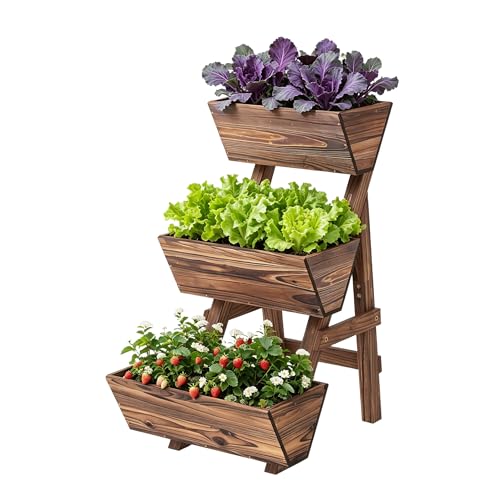
【Space-Saving 3-Tier Design】: The 3-tier planter box design will not take up too much floor space, which can separate and organize the sections as well as grow different kinds of plants. The trapezoidal design allows all plants to enjoy full sunlight for better growth. The box bottom of each tier is equipped with drainage holes to help drain excess water and prevent root rot
Maintenance of Raised Beds
Soil in a raised bed is not a one-time fill. It compacts, roots consume nutrients, and rain leaches out what is left.
I add an inch or two of compost each spring before planting and work it into the top few inches without turning the whole bed; the layers underneath stay intact and the biology with them.
Mesh covers work for pest blocking, but walking the beds every few days still catches what slips through. Cabbage worms and aphids arrive on the wind, and a colony found early wipes off with a thumb.
Watering needs more attention than in-ground beds because the soil drains faster. A soaker line saves time and keeps leaves dry; I lay it before the plants go in, since threading it through mature tomatoes is an exercise in patience.
In a dry July, raised beds can need water twice as often as the ground around them, so I plan for that when I set the timer.

Garden Hoops for Raised Beds: Note: There is NO netting included. You are no strangers to voracious critters, disease-ridden bugs and winter harsh weather conditions. FuBegi garden tunnel hoops helped to provide the protection your veggies needed, improving the quality of your harvests big time! You will have a lot fewer problems with insects eating your crop as well as the sun scorching the tender leaves.


LOW-PROFILE PROTECTION:The 16-inch width fits narrow, low-height projects such as gutter guards, garden borders, raised beds, vent openings, crawl spaces, under-deck gaps, shed edges
Cost Considerations
Cedar prices have climbed enough that a 4×8 bed built from thick boards can run past what the same project used to cost.
The hybrid wood-and-metal option in the list cuts that bill by using less cedar, and corrugated metal on its own drops lumber to a top rail and corner posts.
Pine or fir saves more upfront but replaces sooner; figuring the cost over the long haul, not one season, usually puts cedar ahead.
Ready-made beds on legs run under $250 if you are buying instead of building, though the construction is trickier than a box that sits on soil.
My own budget rule is to spend on the parts that touch dirt and save where I can on structure above ground.
Hardware cloth for voles, good hinges on a cold frame lid, solid corner posts: those are not places to cut. Decorative trim and paint grade are.
Frequently Asked Questions
How deep should a garden box be for vegetables?
Twelve to 18 inches is the depth that works for most vegetables. That range gives root crops room to develop and lets leafy greens anchor without wasting soil on space they will not use.
What are the best vegetables to grow in a garden box?
Leafy greens, herbs, and compact vegetables do especially well in raised beds because the soil drains faster and warms earlier than ground-level dirt.
Pole beans, snap peas, and climbing squash also work if you add a trellis arch for vertical space.
A tiered box turns one footprint into two or three growing zones, with deep soil down low for carrots or parsnips and lighter layers up top for greens or herbs.
What vegetables should not be grown in a raised bed?
Potatoes and long carrots will grow in a box, but only if you build for depth from the start; a shallow bed forces them to crowd and fork.
In a typical raised bed, their roots hit the bottom and stall, or you end up sacrificing most of the box to one crop.
I would rather grow those in a dedicated deep container or in-ground row and use the raised bed for everything else.
Is it cheaper to build or buy a raised garden bed?
A stack of cedar from the lumber yard still beats most store-bought kits on price, though the margin has shrunk enough that I now price both before I decide.
Beds on legs save your back and keep rabbits out, but getting the frame and the bottom strong enough to hold wet soil is a harder build than it looks.