These ideas range from a weekend of raised bed building to a multi-weekend stream and footbridge project, with costs from a few hundred to a couple thousand dollars depending on how far you take it.
Flat yards with solid afternoon light suit raised beds and trellises, while a yard with any grade at all is where a recirculating pump and a wooden footbridge even become possible.
Stone paths hold their own when the tomato vines are gone and the beds are empty, which is why I notice them more in February than in August.
[link-whisper-related-posts]1. Raised Garden Beds
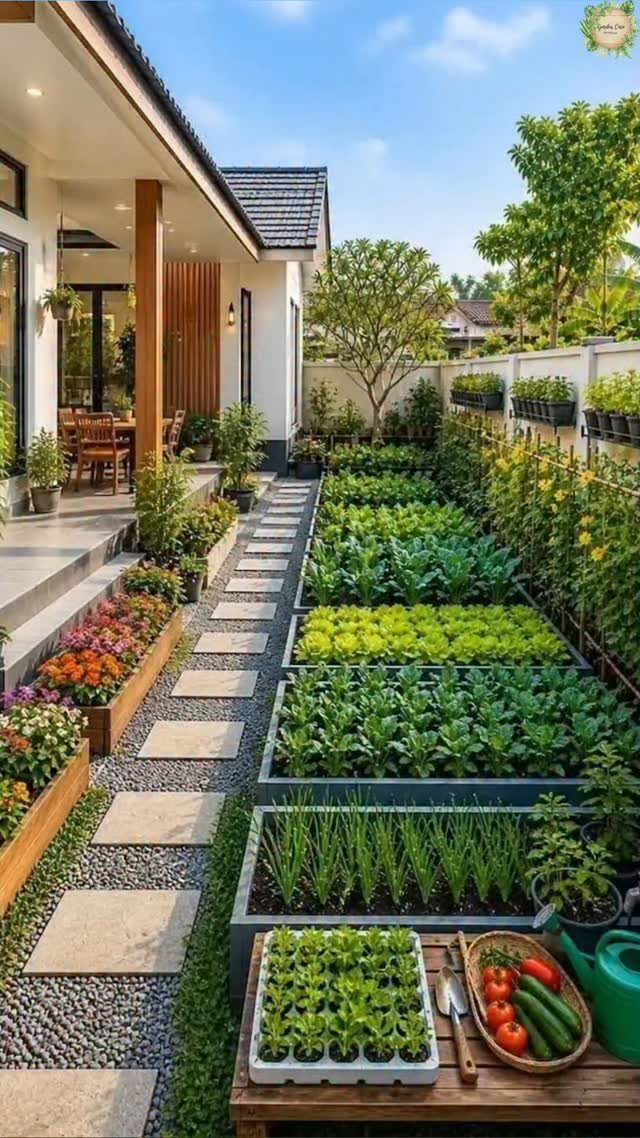
Raised beds lift your soil above the trouble spots in your yard, whether that is heavy clay, tree roots, or just poor drainage.
Raised beds with clean edges give a space order even before anything sprouts, and lining them along a stone path makes the rows easy to reach from both sides.
Before you build, check how much sun hits the spot for real. Most vegetables handle morning sun better than the harsh afternoon kind, so watch your yard for a full day before you decide where to build.
Also measure your reach: beds you cannot get to the middle of from either side mean stepping on the soil, which defeats the purpose.

2. Intersperse Garden Beds with Herbs and Flowers
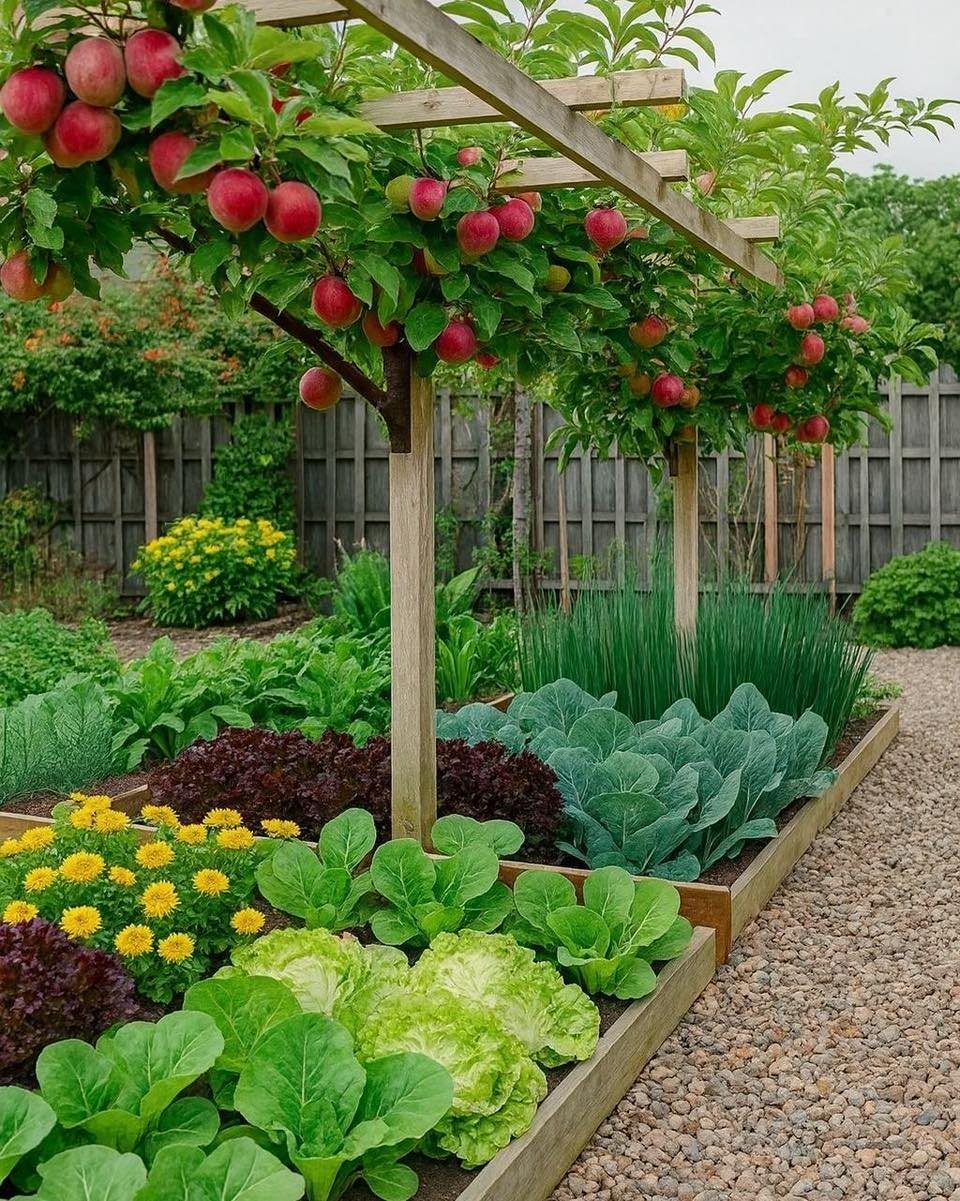
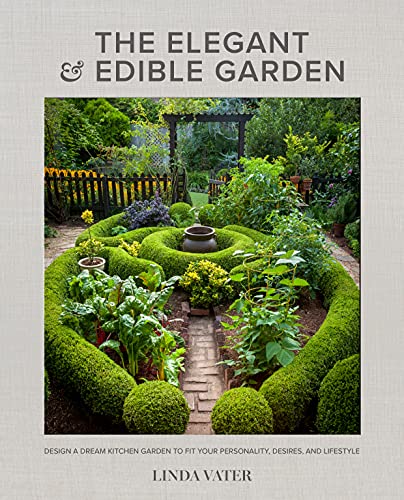
A French potager treats vegetables, herbs, and flowers as one planting rather than segregated crops.
Food you can eat can be arranged like something you would walk through: thread herbs and flowers through the rows and overhead if you have the structure for it.
The formal geometry is what makes it work. Low hedges or tidy paths give the eye a structure to rest on, while the plants themselves provide the color and variation.
A single raised bed with a repeating pattern of purple cabbage, green lettuce, and a row of chives at the edge reads the same way.

DIMENSIONS: 48 in. W x 48 in. D x 29. 12.6 in. H

Multifunctional Design: This garden planter is separated into two growing areas for different plants or planting methods. The baffle can be removed to form a bigger growing area.
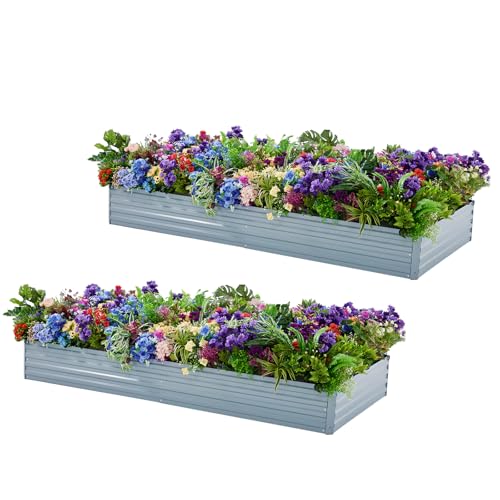
Size: 2 pack set in one box! 72"(L) x 36"(W) x 12"(H), growing area of this garden bed perfect for an array of vegetables, herbs, and flowers in your yard
3. Garden Lights
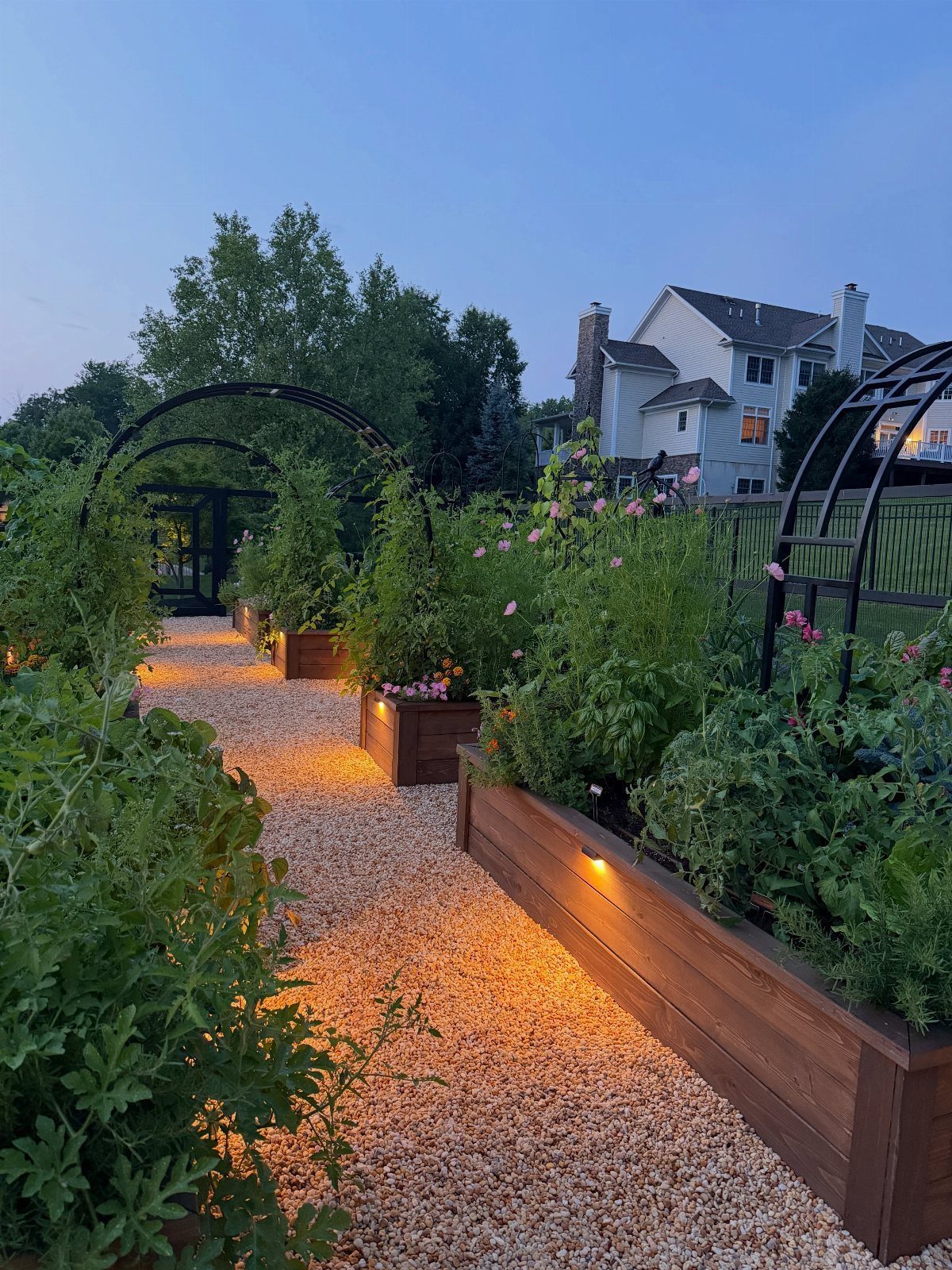
Light changes a garden from a place you work in to a place you stay in.
Small downward-facing fixtures mounted to planter boxes do the practical job of illuminating the path without much glare, and a warm tone keeps the space from feeling like a parking lot.
String lights, solar fixtures, or even torches each give a different mood.
Solar is simplest if you have no outlet nearby, though the output varies with how much sun the panel saw that day. String lights need a structure to hang from: a fence, a pergola, or posts you set yourself.
Torches put out the most light and the most heat, which matters on cool nights and matters less when mosquitoes are already handled some other way.
【Package included】:This Trellis for Climbing Plants Outdoor comes complete with everything you need to get started: 17pcs metal stakes, 8pcs T shape connect pipe, 2 A-shaped connectors, and a 0.9x1.8meter plant net.

ADJUSTABLE HEIGHT: You can flexibly adjust the height of tomato trellis according to plant growth, from 15.7 inches to 51.2 inches to achieve optimal plant growth and stability.

【Multi-Function】 Tall Tomato Cage-Each tomato cage can be adjusted from 16inches to 47 inches in height,suit for different growth stages of plants, offering versatile supports for a wide variety of tomato plants, ensuring they grow tall and strong.
4. Walkways and Garden Paths
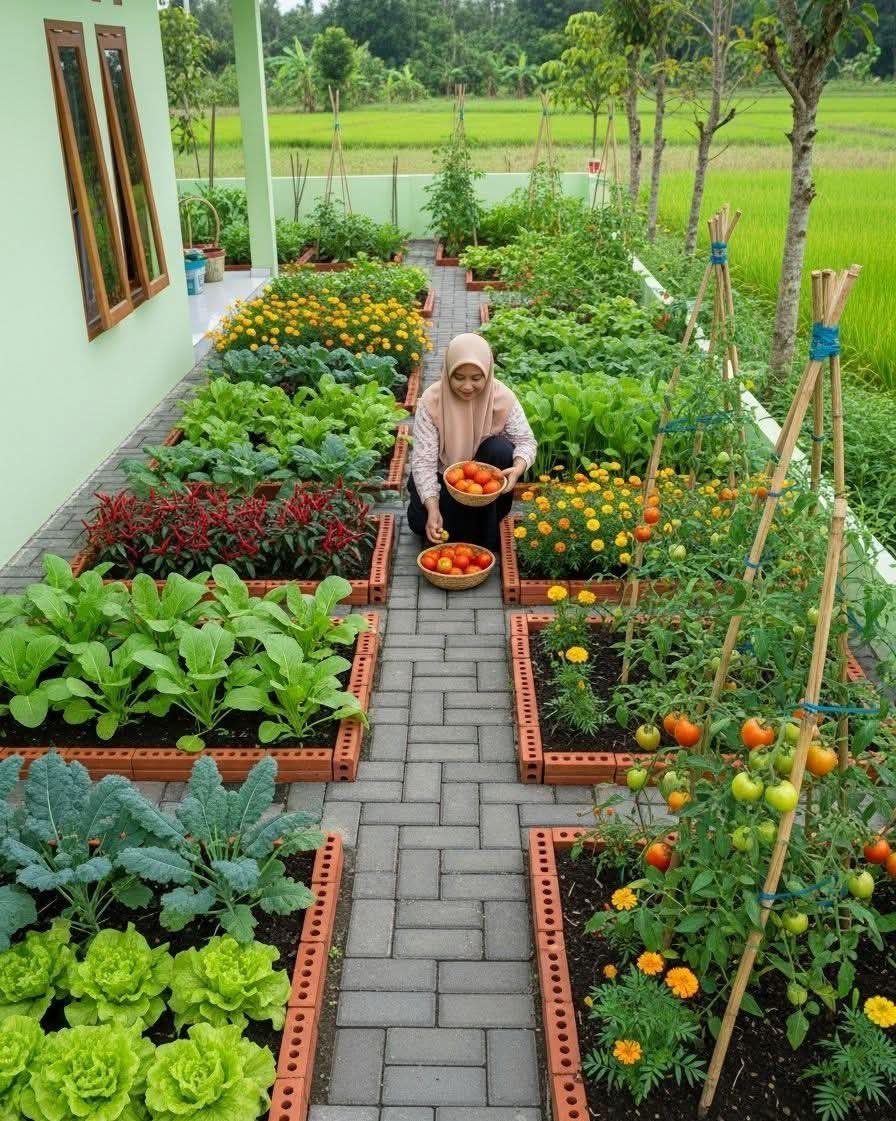
A path does 2 jobs at once: it keeps your feet out of the beds and it gives the garden a backbone to organize everything around.
Grey brick reads as calm and deliberate, a neutral stripe between growing rows that lets the plants be the event.
Before you lay anything, think about what you will carry. A wheelbarrow needs a wider surface than stepping stones provide, and loose gravel shifts underfoot when you are hauling a load of compost.
Also check your drainage: brick on sand handles rain better than brick on packed clay, which can hold a puddle for days.

INNOVATIVE DESIGN: Solar pathway lights adopt an integrated lamp head design, using highly transparent acrylic material and surface-cutting technology, making the lamp head present a diamond-like effect. The light projects 3 ft radius wide-coverage starburst patterns onto the ground at night. This lighting effect is design for decoration.

【Unique and Enchanting Design】Solar outdoor walkway lights are designed to provide an attractive pattern, also as a focal attractive in your planter for outdoor plants and lights up your garden at night. Enhance the beauty of your path, garden, patio, lawn, yard, walkway and planter with the distinctive water-ripple pattern of our solar pathway lights. Its enchanting touch will surely captivate anyone who sees it

【US PATENT INTELLECTUAL PROPERTY PROTECTION】Upgrade your outdoor lighting with our 10 pack solar path lights. Our solar path lights are equipped with advanced LED filament bulbs for a more focused and bright light. The clear glass lampshade enhances light transmission, 3000K warm white light is perfect for illuminating and decorating your yard. Note: Turn on the switch before first use.
5. Use Trellises and Cages to Support Vegetables
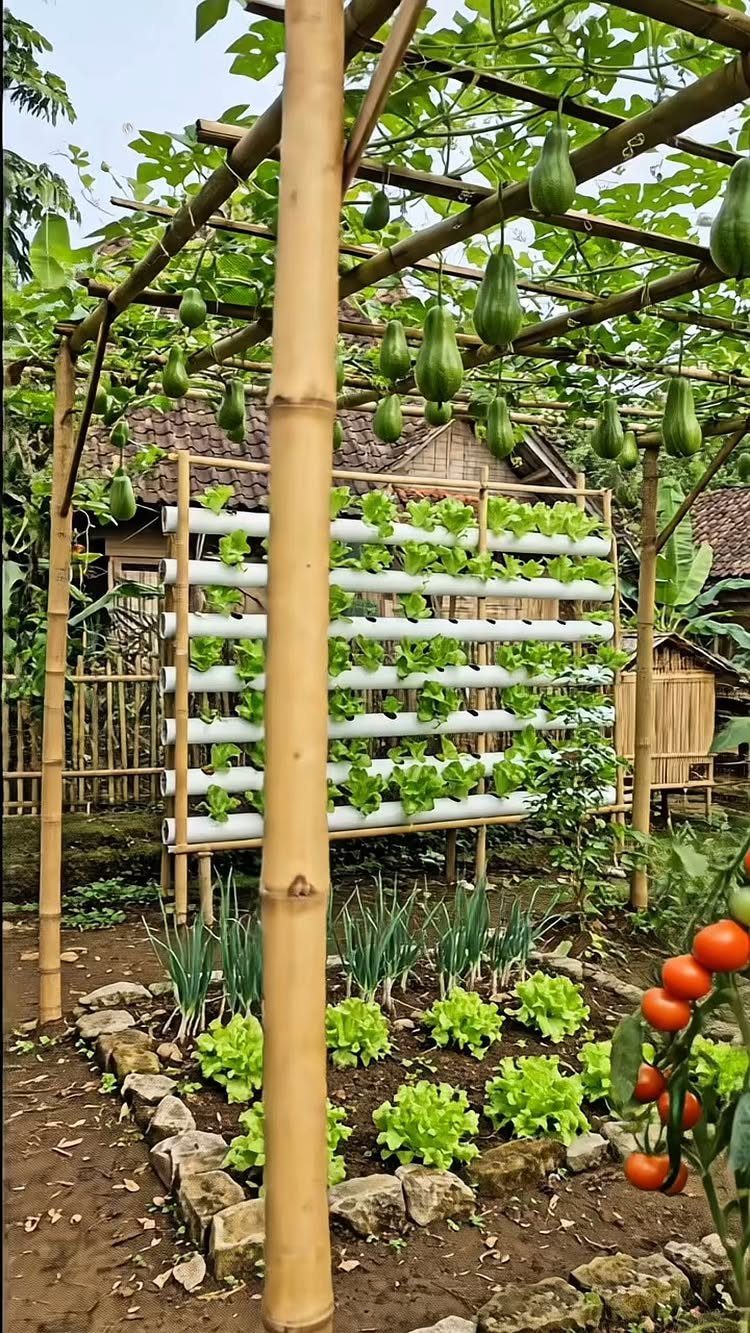
Going vertical buys you back the ground space that tomatoes, cucumbers, and squash would otherwise crawl across.
A bamboo trellis can carry squash overhead, while a vertical pipe system beside it handles lettuce in a footprint no wider than a fence post.
Trellises suit any climbing plant: peas, beans, cucumbers, indeterminate tomatoes. Cages work better for bush varieties that want to sprawl but do not twine.
The structure needs to stand up to the weight of mature fruit and a wind gust; bamboo is light and cheap, though it will weather and weaken after a few seasons.
PVC pipe lasts longer and looks like, well, PVC pipe. Choose based on whether you will still be looking at it in January.

【Decorate Your Garden】This 5FT elegant and rustic wooden bridge is a perfect choice for decorating garden,yard or landscaping!Fir furniture features traces of tree rings and natural log fragrance,which make it blend into most garden theme,adding a warm pastoral feel to your garden,making garden landscape more harmonious and close to nature,allowing your living environment and nature to blend together.Now,add it to your outdoor surroundings,it will highlight your water features&rock gardens

Charming 5FT Design with Unique Metal Chain Railings: Measuring 59 inches (approximately 5 feet) in length, this thoughtfully sized wooden garden bridge features distinctive metal chain railings that add a rustic, farmhouse-inspired touch to your outdoor space. With overall dimensions of 59" (L) x 22" (W) x 26" (H), it fits perfectly into cozy garden settings while the chain accents create visual interest.

Handcrafted Garden Bridge: Add character to your outdoor retreat with this 4-foot garden bridge, built from sustainably sourced Western Red Cedar
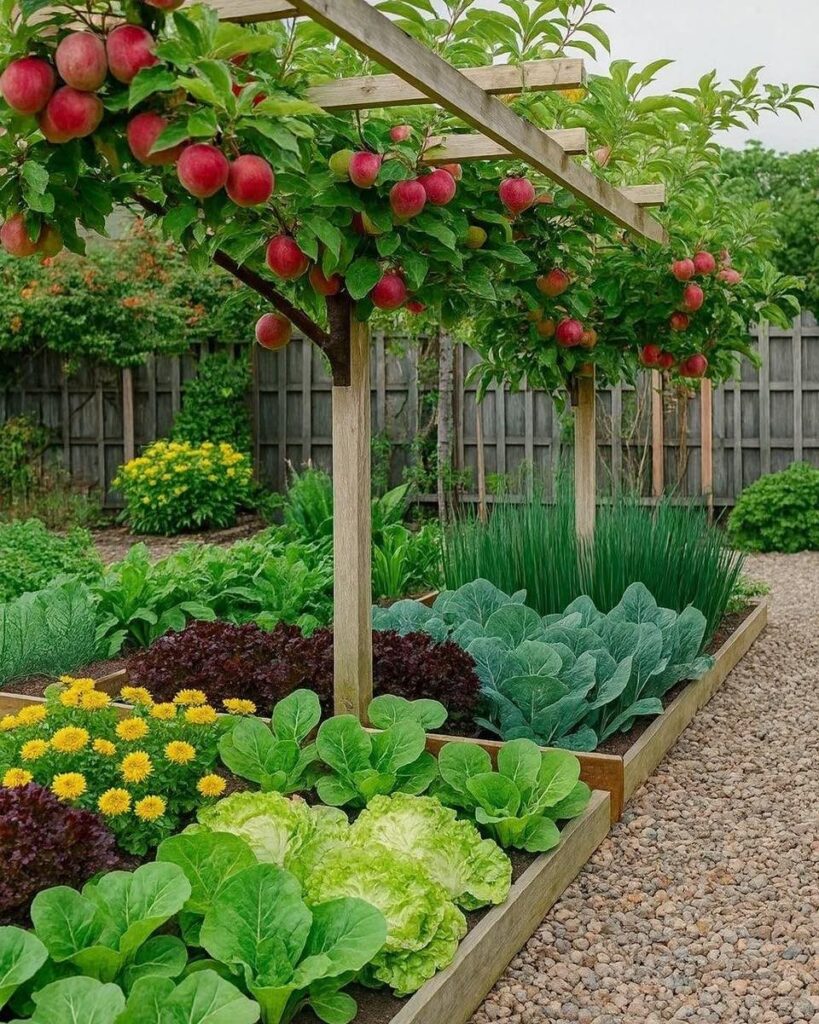
6. Decorative Fruit Trees in Beds
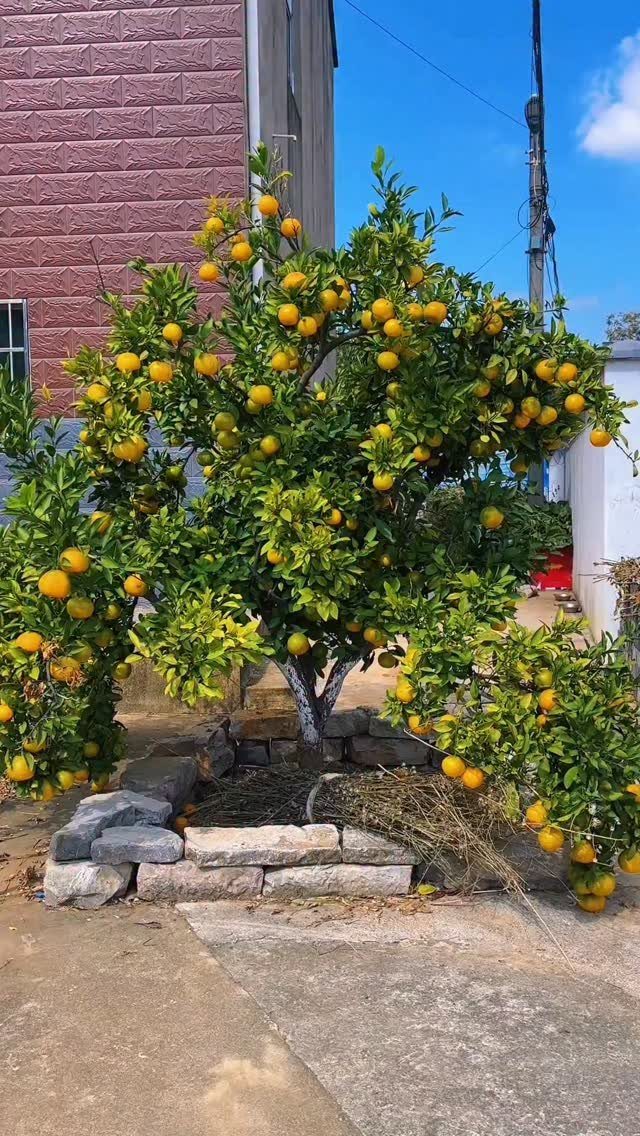
A citrus tree in a raised bed is a statement piece that also hands you fruit.
A stone border contains the root run while lifting the tree into view, turning what could be a background shrub into something you plan the rest of the space around.
Stone holds heat, which helps in cooler climates and hurts in hot ones.
In Arizona summer, that wall of sun-warmed rock can cook roots; in Portland winter, it might be the difference between a tree that fruits and one that merely survives.
Check your hardiness zone before you commit: most citrus wants zone 9 or warmer, though some mandarins and kumquats tolerate a bit less.
Dwarf rootstock keeps the size manageable for a bed this scale; standard stock will outgrow it in a few years.

Flexible Mold Construction: Soft silicone bends around cured pieces for easier removal while helping protect raised textures and edges, making it practical for repeated concrete, cement, plaster or resin casting projects
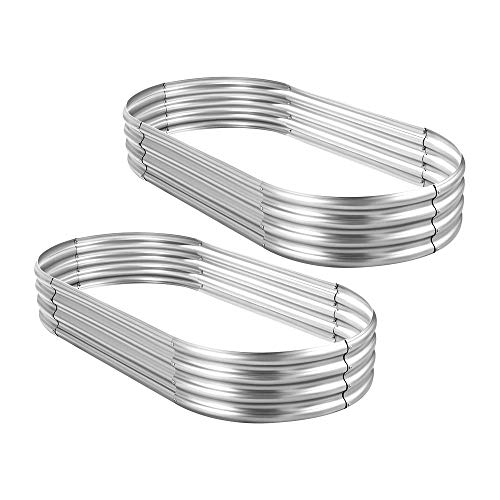
Each raised metal garden bed size: 4×2×1ft , 7Cu

Each raised metal garden bed size: 4×2×1ft ,7.14Cu
7. Garden Stream with Footbridges
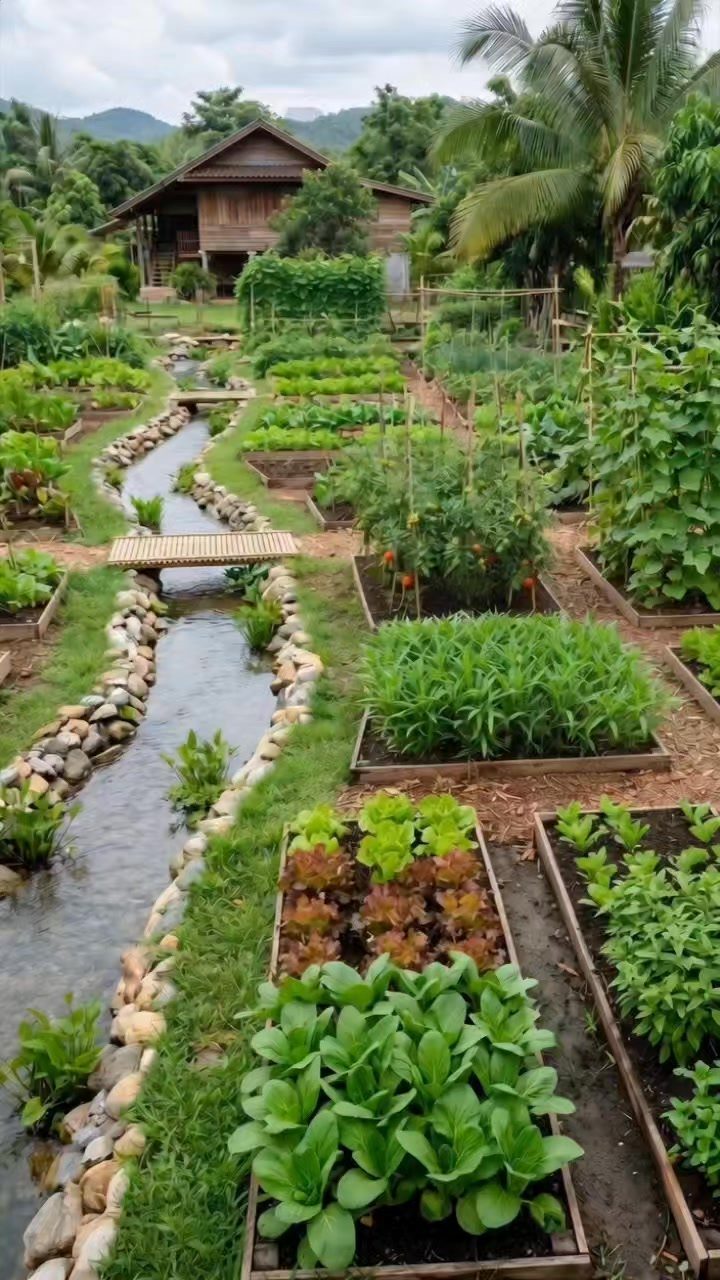
A stream running between your beds turns a vegetable garden into a space you walk through rather than past. Stone lining keeps the banks from collapsing into the water, and small wooden footbridges let you cross without detouring around.
A garden stream with footbridges takes more weekend work than the other ideas here, but the running water masks city noise better than any fence.
You need a slope, or enough drop to move water, and a way to keep it full during dry spells.
A recirculating pump handles that, but it needs power and winterizing before the first freeze. The bridges must span far enough that soil does not erode the footings, and the wood will need replacement after years of wet-dry cycles.
I would sort out the water source and the electrical run before I planted anything nearby. Mud and tomato roots do not mix, and neither do flooded beds and a harvest.

Solid Fir Wood: The raised garden bed is made of non-painted fir wood, known for its strength and stability. The thick solid boards are polished with smooth surfaces and no burrs or wood splinters

Gardening as an Art Form
The line between a working garden and a designed space is thinner than most people think.
Color theory applies to cabbage the same way it applies to paint: the purple against green in that French potager bed is not accidental, it is contrast doing what contrast does.
Stone, wood, and living material each carry their own temperature and texture, and the mix is what makes a space feel considered rather than merely planted.
I think the useful tension in a food garden is that the plants themselves keep changing. A border of chives stays put; a tomato vine in a cage grows through and past its structure in a single season.
The gardener sets the frame, then the living material renegotiates it. That negotiation is where the art lives, and it is never finished the way a canvas is.

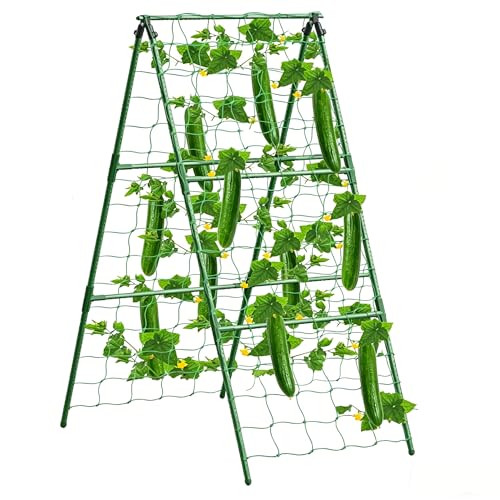
【A-Frame Trellis】Our detachable Cucumber Trellis is widely used in gardens and backyards; It allows you to adjust the width as needed for compact storage; By utilizing vertical space, this Plant Grow Support elevates vines off the ground, maximizing sunlight exposure for better quality fruits and vegetables while boosting overall harvest and yield

【Package included】: This Trellis for Climbing Plants Outdoor comes complete with everything you need to get started: 17pcs metal stakes, 8pcs stainless wire connect pipe, 2 A-shaped connectors, and a 0.9x1.8meter Bird net.

【Rust-Proof Sturdy Tomato Cages】Built with heavy-duty thickened metal steel core (not solid metal ) and protective plastic coating. The plastic coating resists rust and prevents overheating, protecting climbing vines from scorching summer sun. Our metal square tomato stakes combine high strength and stability with a sleek, practical design, delivering long-lasting durability to support your plants.
Satisfaction from Gardening
The harvest is only part of what keeps people at this.
There is a specific kind of competence that comes from reading a plant’s condition, from knowing whether yellow leaves mean too much water or too little nitrogen, and from having made both mistakes yourself.
That competence transfers: the person who has winterized a recirculating pump has a different relationship to maintenance than someone who has only replaced batteries.
The physical work matters too. Raised beds, stone paths, and trellis systems are all built with the hands that later maintain them.
The same body that hauled compost in a wheelbarrow eats the tomato that compost grew. The loop is small enough to feel whole.

Bright and Attractive design - When night falls, your yard illuminated by a brilliant starlight pattern, like a dreamy star falling to the ground, creating an extremely romantic atmosphere for your strolls. Outdoor solar lighrts not only illuminate yards and sidewalks keep people from tripping, they are an added decorative element to the yard landscape.

【STUNNING DESIGN】Our solar lights features a unique integrated lamp head design with a transparent lampshade. The 7000K cool white LED lights emit a bright and delicate glow that will enhance the beauty of your driveway, walkway, garden, deck, or patio

Our Solar Outdoor Lights is the perfect solution for adding beauty and illumination to your garden. Warm white solar lights provide a cozy ambiance and sufficient brightness, illuminate your pathway, walkways or yard
Seasonal Changes in Gardens
A garden built for looks as well as harvest has to plan for the gaps. Stone paths and wooden bridges read nearly the same in February as in August; they carry the design when the beds are bare soil.
Evergreen herbs, woody perennials, and the structural bones of trellises and raised bed frames do the same work.
Winter is where material choices show their true cost. Bamboo trellises left standing look skeletal and honest; PVC pipe looks like litter.
The stream with its pump shut down and emptied is a different feature than the running version, not necessarily worse. A garden that only photographs in June is a garden that fails half the year.

〖Decorative Garden Bridge〗This elegant garden bridges are made with solid fir, which has a natural texture and the fragrance of natural log. The authentic appearance makes it ideal for decorating gardens, ponds or any other landscaping, adding a warm rustic feeling to your yard and bringing the garden landscape closer to nature.
Flavor and Quality of Homegrown Produce
The taste difference between a tomato picked at full ripeness and one bred for shipping is real and well-documented, but I think the psychological part is underrated.
A person who has watered that plant through July heat, tied it to a cage, and watched for the color change is not a neutral taster. The work is in the flavor.
That said, the conditions that make a garden pretty do not always make it productive. A citrus tree in a stone bed looks good; the same stone holding summer heat may stress the fruit quality in a hot climate.
The gardener chooses which priority wins, or finds the cultivar that splits the difference. There is no dishonesty in growing for looks, but it helps to know which choice you are making.