These layouts run from a weekend with a bag of mulch and a shovel to a full season building stone walls and waiting for plants to fill in.
The deciding factor is how much time you have to tend what you plant, since a clipped hedge needs four to six cuts a season while a mulch ring around a tree base asks almost nothing.
One layout I keep coming back to is the 4-foot width for raised wooden beds, narrow enough to reach the center without leaning into soil.
[link-whisper-related-posts]1. Mulch in Flower Beds
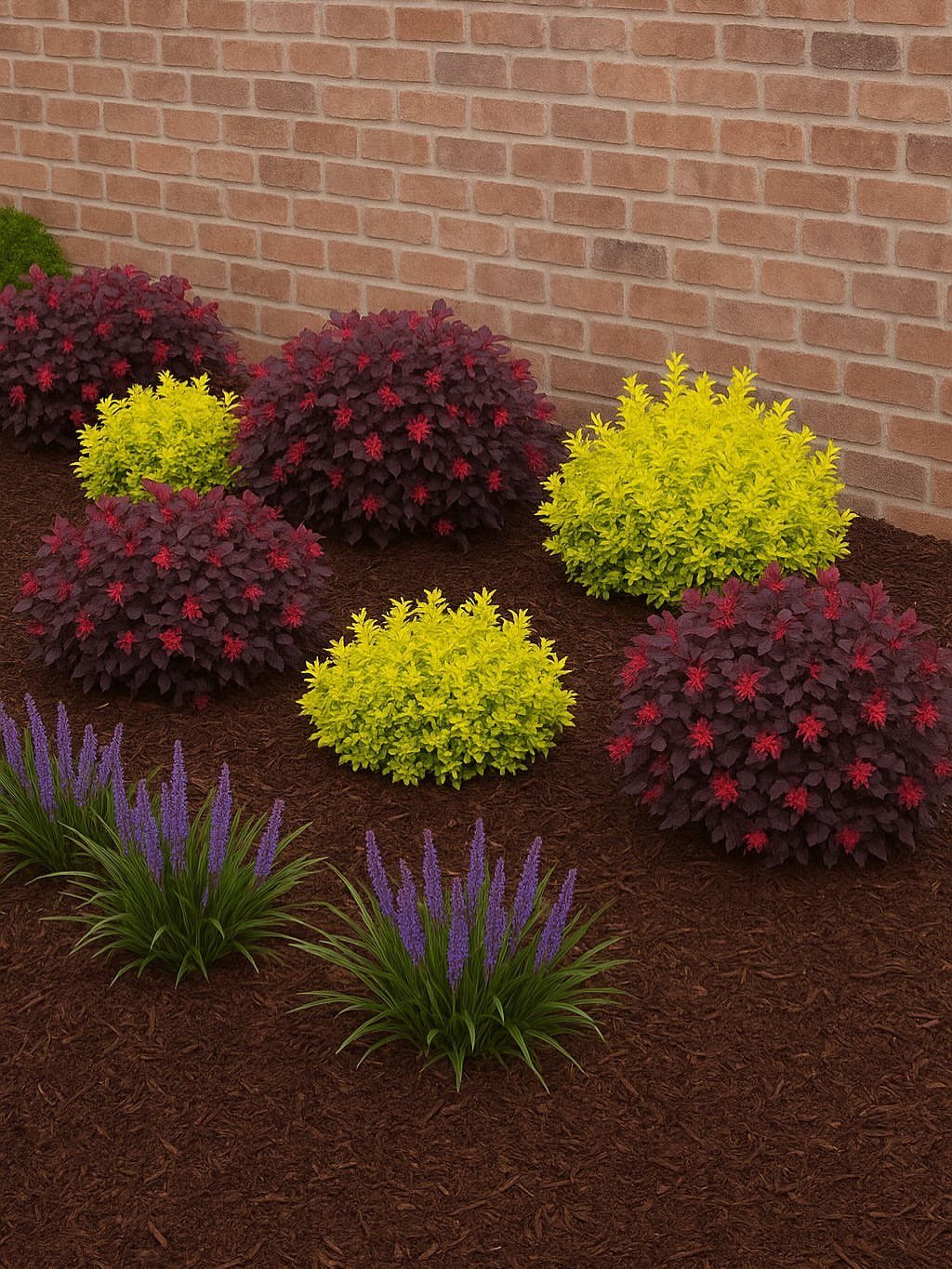
Dark mulch against brick does more than look tidy. It holds moisture through hot afternoons and blocks the light weeds need to sprout, which cuts the hours spent pulling them later in summer.
I spread mine deep enough to block light after planting, keeping it a few inches back from stems to avoid rot.
Cedar and pine break down slower than shredded hardwood in my yard, so I choose those when I want a full season before refreshing.

Overall dimensions: 4ft(L) x 2ft"(W) x 0.9ft"(H), 2 sets in one package.

Spacious Planting Area: Offering 44 cubic feet planting space and 15 inch depth for vegetables, flowers, and herbs. The raised garden bed is ideal for growing lettuce, tomatoes, or vibrant blooms in a wood planter box.
2. Pollinator-friendly Plants
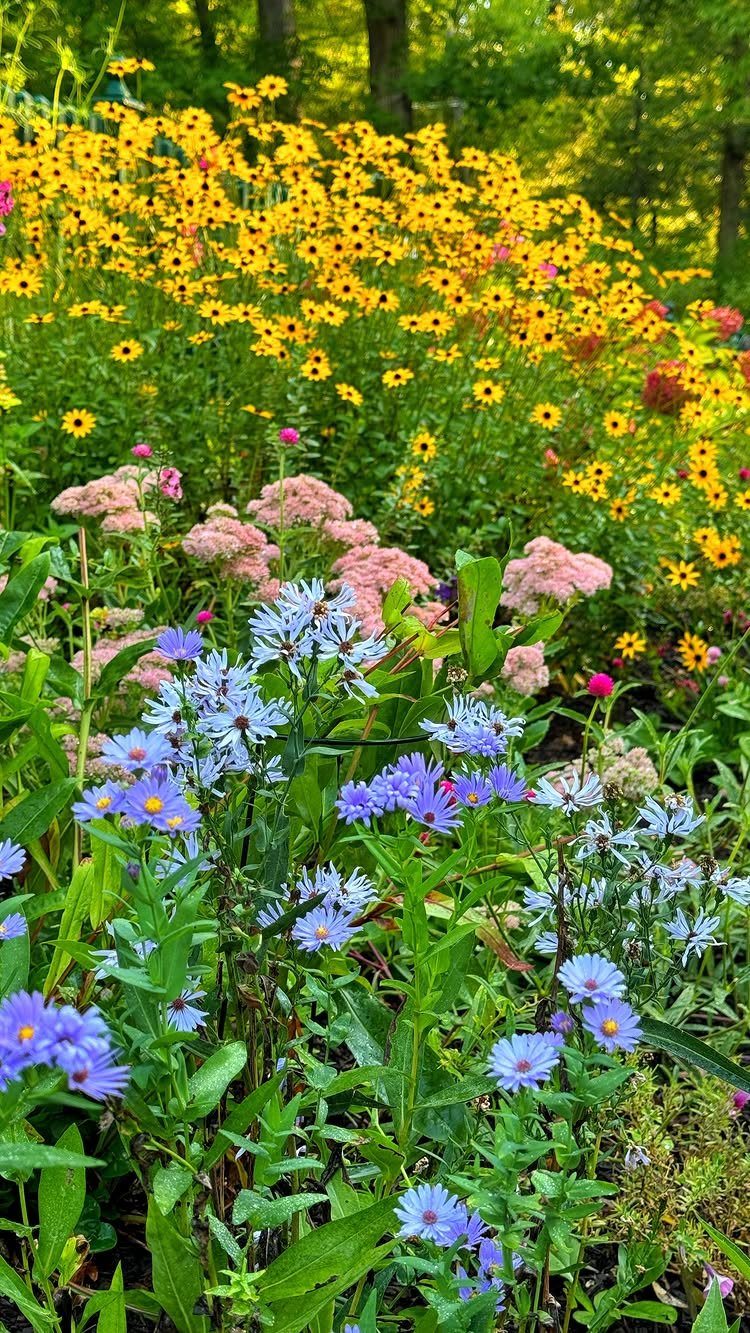
A bed that feeds bees and butterflies through the whole growing season takes some planning, not extra space.
Purple asters, pink sedum, and yellow black-eyed Susans overlap their bloom times through late summer and fall, so something is always offering pollen or nectar when pollinators need it most.
Native plants handle local weather without fuss and tend to need less water once established. I check my state extension’s native list before buying; cornflower draws butterflies, salvia brings hummingbirds, and both reseed lightly where they are happy.

Natural Organic Tree Ring: These tree mulch rings are made of natural coconut fiber, which is very thick, the fiber is evenly distributed, and sturdy, it can keep the soil moisture in the pot well, they can also prevent weeds from growing arbitrarily

【Biodegradable and Long-lasting】: These non woven tree rings are made of high-quality high-density thick non-woven fabric, which is durable and saves resources. Tree-based covering non-woven fabrics naturally degrade over time, reducing waste and the need for constant replacement.

High-Quality Non-Woven Fabric: Crafted from top-tier felt, these tree ring mulch mat offer long-lasting performance, ensuring optimal care for your trees.Before purchasing, please be aware of the hardness of this type of non-woven felt mat, which is different from the wooden tree ring
3. Curved Flower Bed
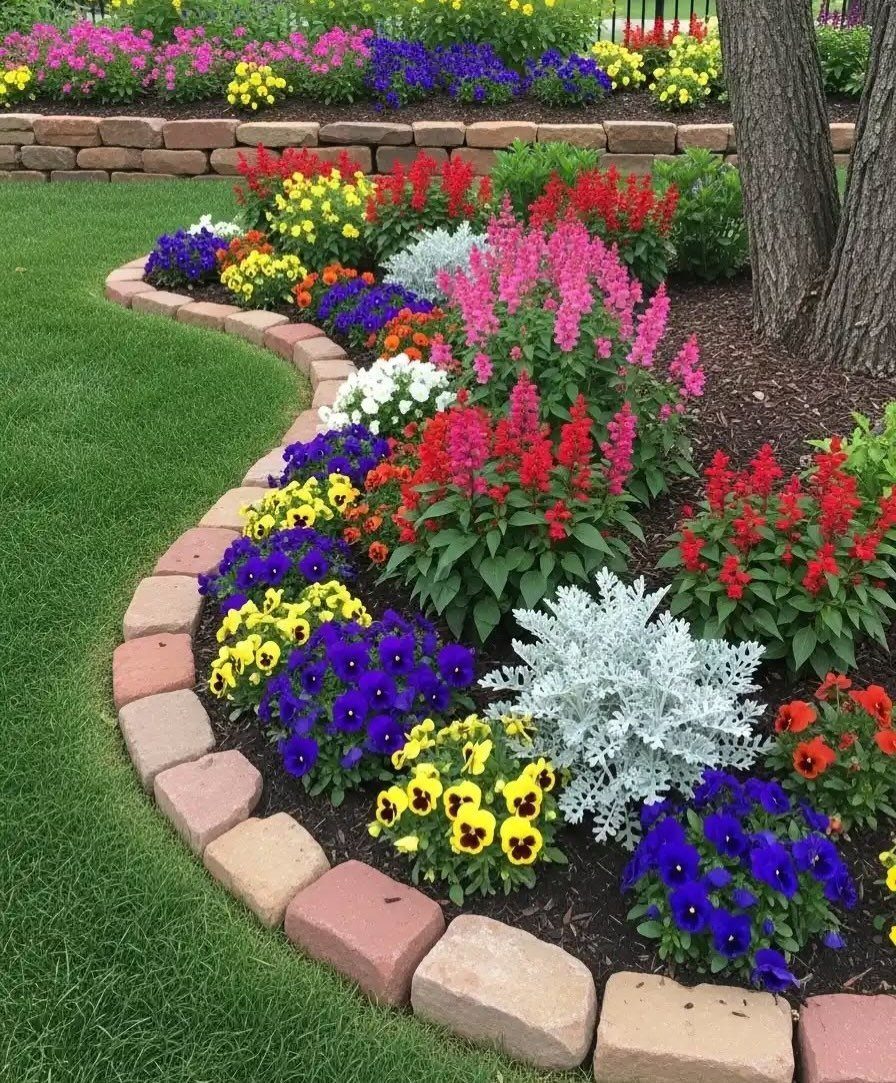
A gentle curve in a flower bed softens the line where lawn meets planting, and it is easier to mow against than tight corners.
The shape also lets you tuck in more plants along the edge than a straight run of the same length.
I mark mine with a garden hose first, walking the line to see it from the house and the street before cutting sod.
Stone or no edging, the curve needs to be wide enough to read; shallow wiggles disappear once plants fill in.

𝐅𝐥𝐞𝐱𝐢𝐛𝐥𝐞 & 𝐄𝐚𝐬𝐲 𝐭𝐨 𝐈𝐧𝐬𝐭𝐚𝐥𝐥: Each panel measures 40" (L) × 5" (H), including 3" underground stakes for strong anchoring, leaving 2" visible above ground for a clean, low-profile border. The hammer-in design makes installation fast and effortless—perfect for creating neat, professional-looking edges without digging.

Quality Metal Material: Our galvanized garden edge is processed using high-precision CNC technology, ensuring accuracy down to every millimeter. Innovative 3D ripple design not only enhances the aesthetic appeal of the fence but also strengthens its structural integrity.
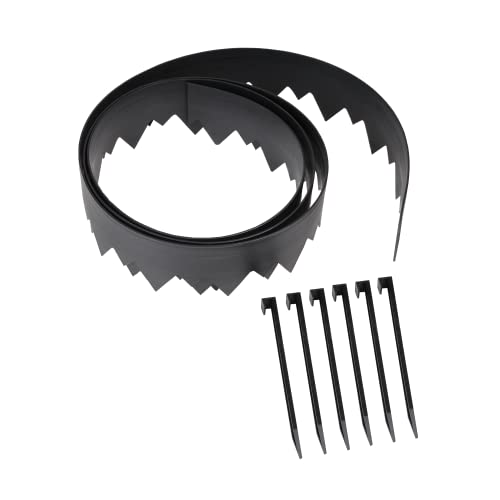
Pound‑In Lawn Edging – Create clean, defined garden borders without hiring a professional; installs with minimal ground preparation.
4. Incorporate Ornamental Grasses
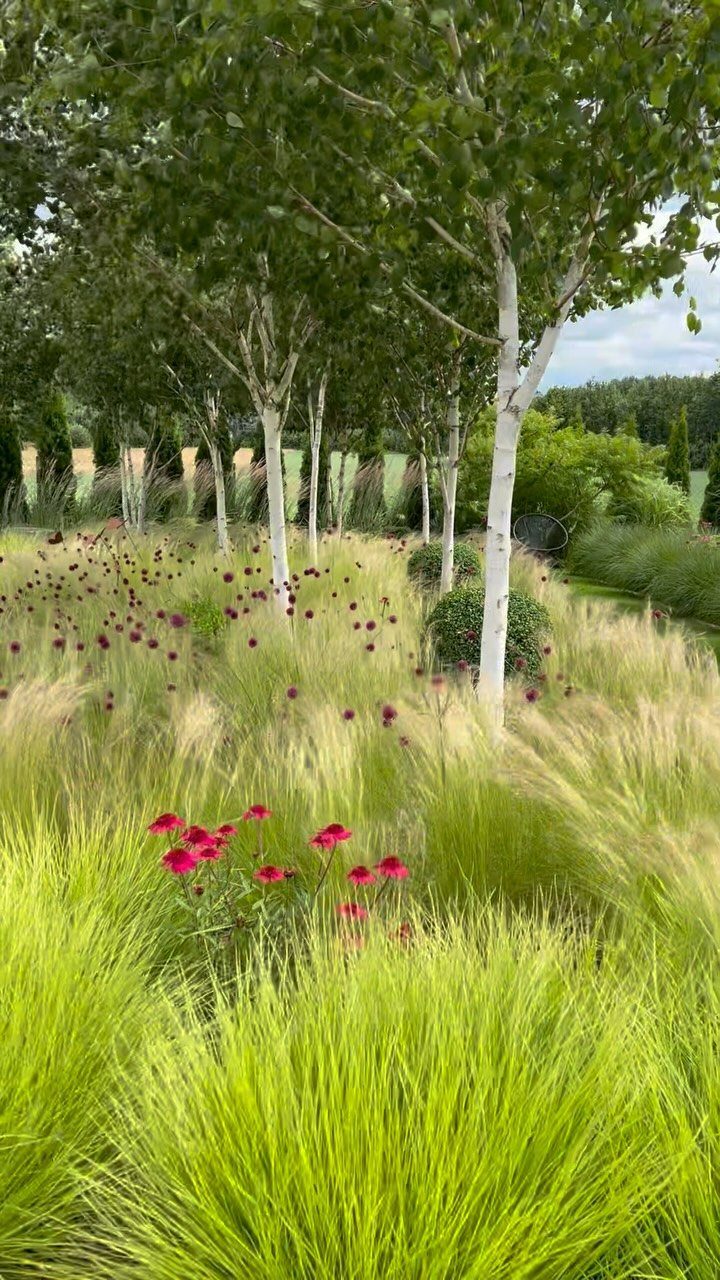
Ornamental grasses give a flower bed movement and height that blooms alone cannot manage. Miscanthus and similar varieties sway in wind, catch morning light, and hold structure after perennials have faded.
I treat them as the backbone in mixed plantings, placing tall clumps toward the back or center where they will not smother shorter flowers.
They pair well with coneflowers and allium; the seed heads extend interest into late fall and winter, when color has mostly gone.

NATIVE BEAUTY – New England Aster, Smooth Blue Aster, Purple Coneflower, Narrow-Leaved Coneflower, Black-Eyed Susan, Dense Blazing Star (Gayfeather), Bee Balm (Wild Bergamot), Lanceleaf and Plains Coreopsis (Tickseed), Showy, Common, and Swamp Milkweed, Purple Prairie Clover, Joe Pye Weed, Spiderwort, Common, Prairie, and Maximilian Sunflowers, Little Bluestem, Switchgrass, Indian Grass, Blue Vervain, Canada Wild Rye, and White Yarrow.

5. Flower Beds Around Tree Bases
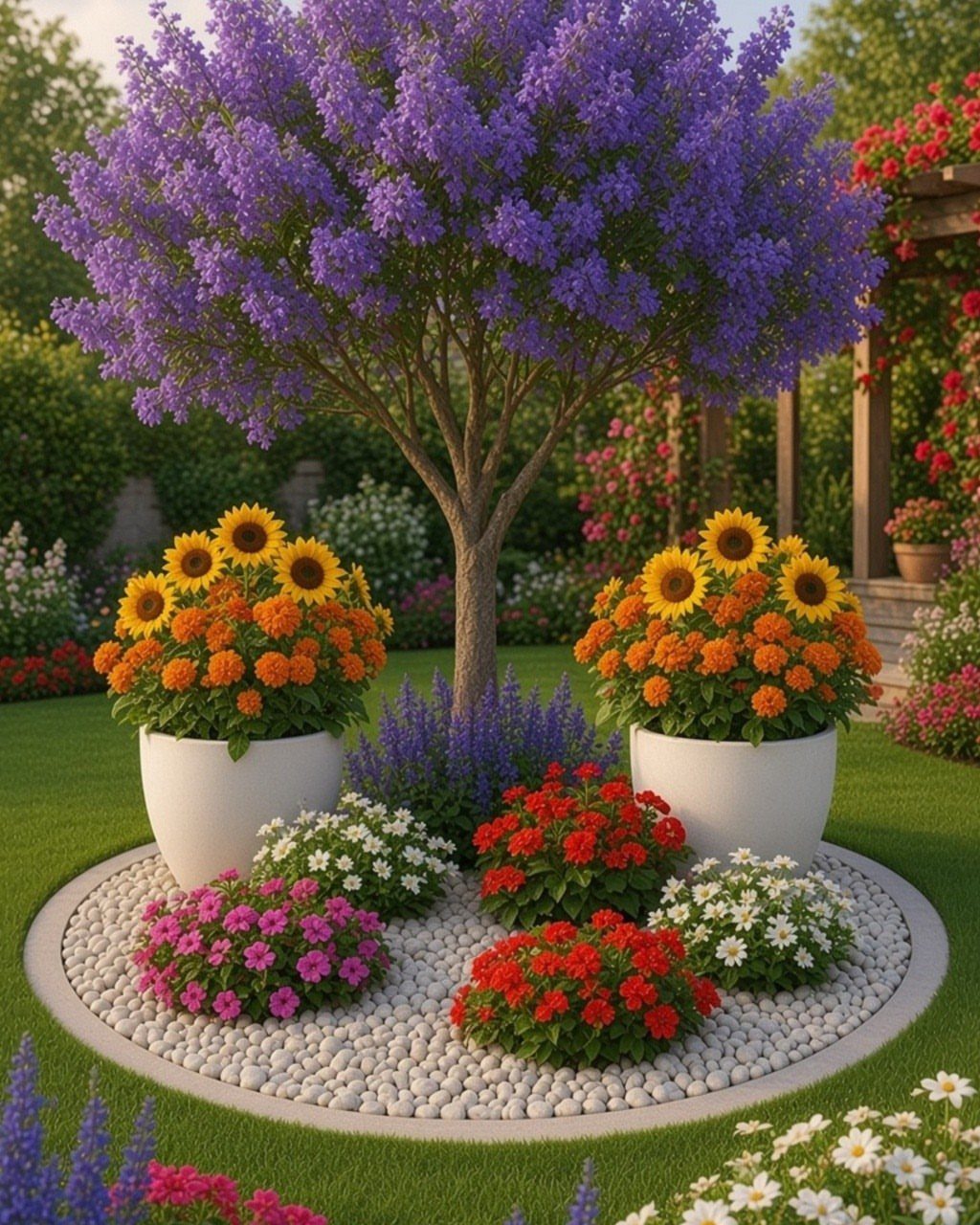
A ring of color around a tree trunk looks inviting, though it is one of the harder spots to keep thriving. Deep shade, thirsty roots, and poor soil compete hard against most flowers.
Tough groundcovers are the realistic choice here; few annuals or perennials manage the stress.
If the tree allows some light, a pebble-filled bed with potted annuals set on top, or a hollow log filled with soil, gives color without asking plants to fight the root zone.
I check drainage first; bark mulch piled against trunk bark invites rot.


WHAT YOU WIL RECEIVE: 3 Pink Muhly Grass live plants, approximately 4-8 inches tall, ready for planting in your garden or landscape area

2 Grass Ornamental Grasses Seedlings, Live Grass Perennial Hardy Ornamental Plants, Outdoor Planting, 5-9" Tall
6. Side Yard Flower Bed
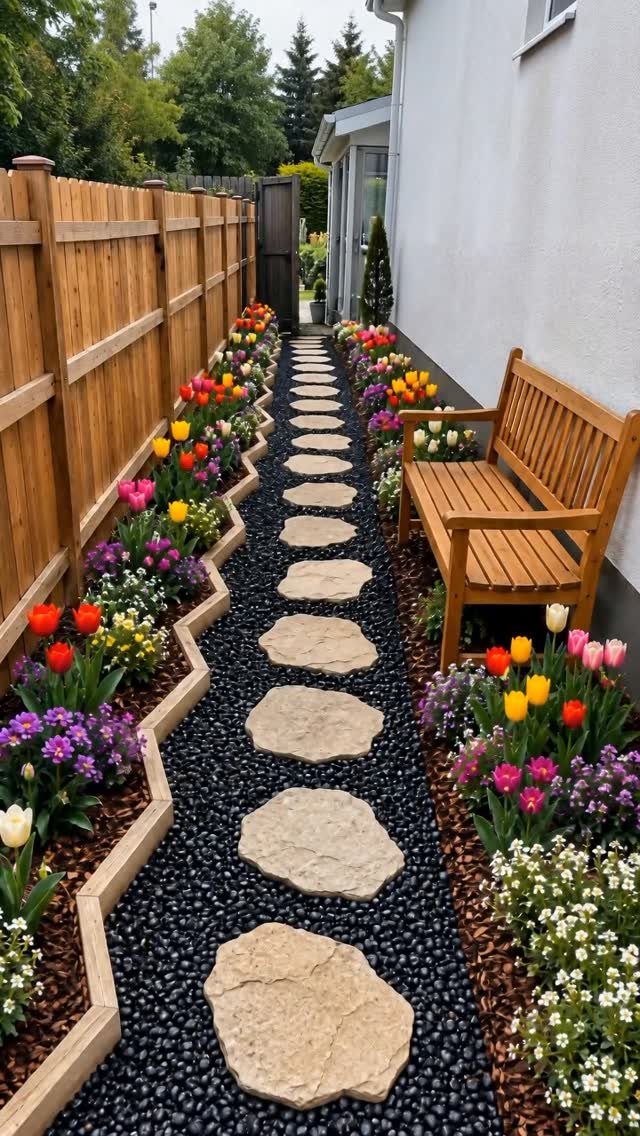
Side yards often become passages to somewhere else, but a narrow bed turns that traffic into a short walk worth taking.
Stepping stones set in river rock keep feet dry and define the path; tulips and annuals in mulched beds on either side add color without demanding width.
Before planting, I check how many hours of sun the space gets; a fence on one side and house on the other can drop it to deep shade or bounce heat into something harsher.
A bench at the far end, if there is room, gives the walk a purpose beyond utility.

【Maintenance-Free Vinyl Construction】: Built from premium vinyl, this raised garden bed resists rust, rot, fading, and harsh weather without painting or sealing. Unlike traditional wood or metal beds, it stays beautiful season after season with minimal maintenance

DIMENSIONS: 48 in. W x 48 in. D x 29. 12.6 in. H

Elevate Your Garden - Opt for a brilliantly engineered raised garden bed to revolutionize your gardening. Its spacious design, measuring 48x24x30 inches, allows for the cultivation of multiple vegetable varieties alongside a plethora of herbs, optimizing your gardening space for ease and diversity.
7. Layered Flower Bed
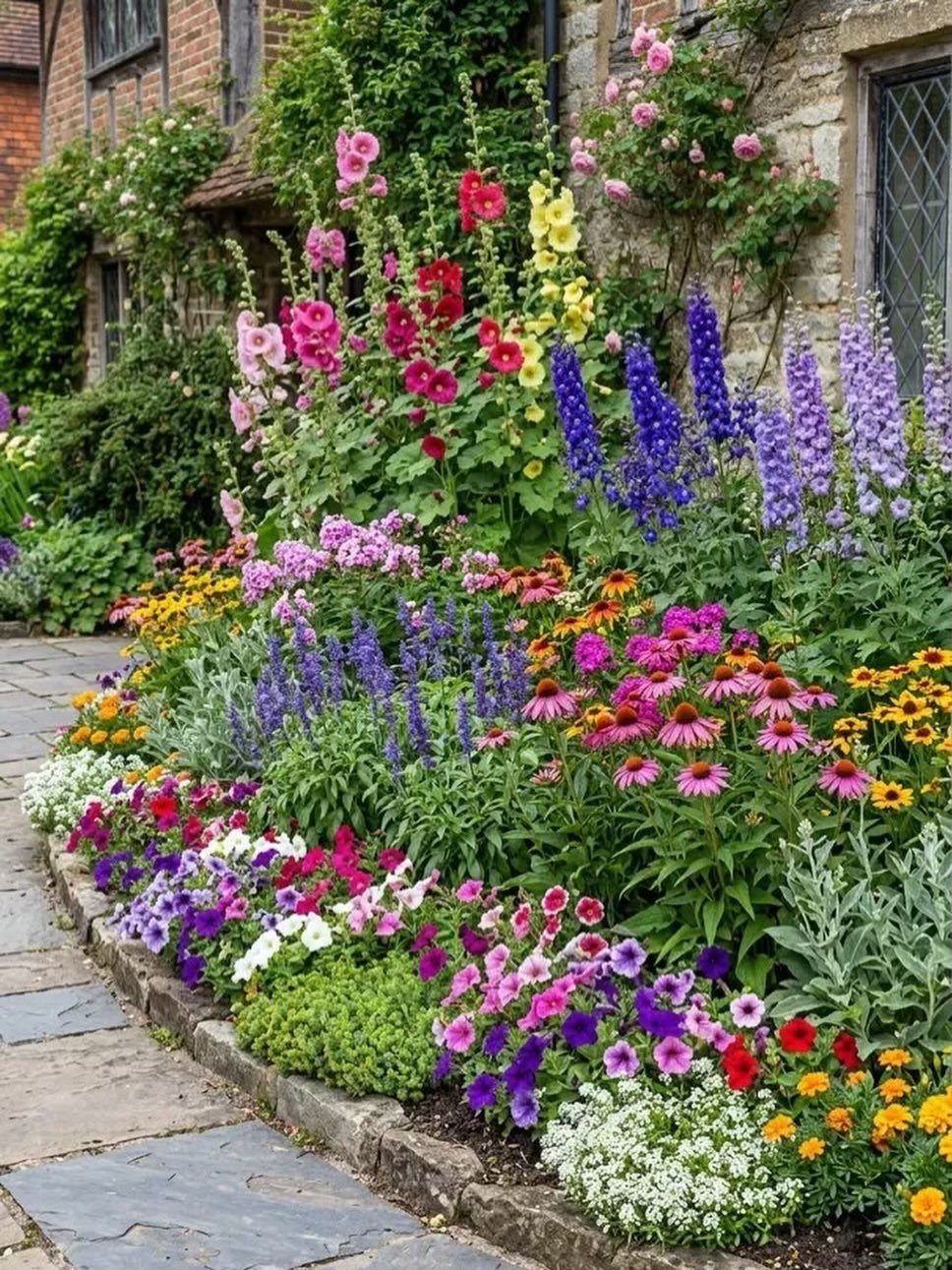
Tall flowers at the back and shorter ones in front let every bloom claim its share of sun and attention.
Layer tall flowers like hollyhocks and delphiniums at the back, mid-height coneflowers in the middle, and low growers like petunias at the front edge.
I plan in 3 bands: a deep back row, a middle section, and a low front edge.
Contrasting colors read bolder; shifting one color from pale to deep, top to bottom, gives an ombre that photographs well. Either way, the depth lets you pack more plants into the same length of bed than a single-height planting.

Pack of 3, 24" in diameter x approx. 1/2" thick, 4" center hole (Can be opened), and you can cut rubber with a box-cutter or scissors to fit whatever size fits best.

Breathable Non-Woven Ground Cover: Our tree mulch ring is constructed from high-density non-woven fabric. The breathable structure allows water and air to penetrate smoothly to nourish tree roots, while blocking sunlight to slow surrounding weed growth. It stabilizes soil temperature and reduces moisture evaporation for healthier plant growth

【Eco-Friendly Tree Protector Mat】: Made of thick non-woven fabric, durable and permeable, which allows air, water and nutrients to permeate the roots of shrubs or trees and provides ample protection for the roots of plants.
8. Edging Materials
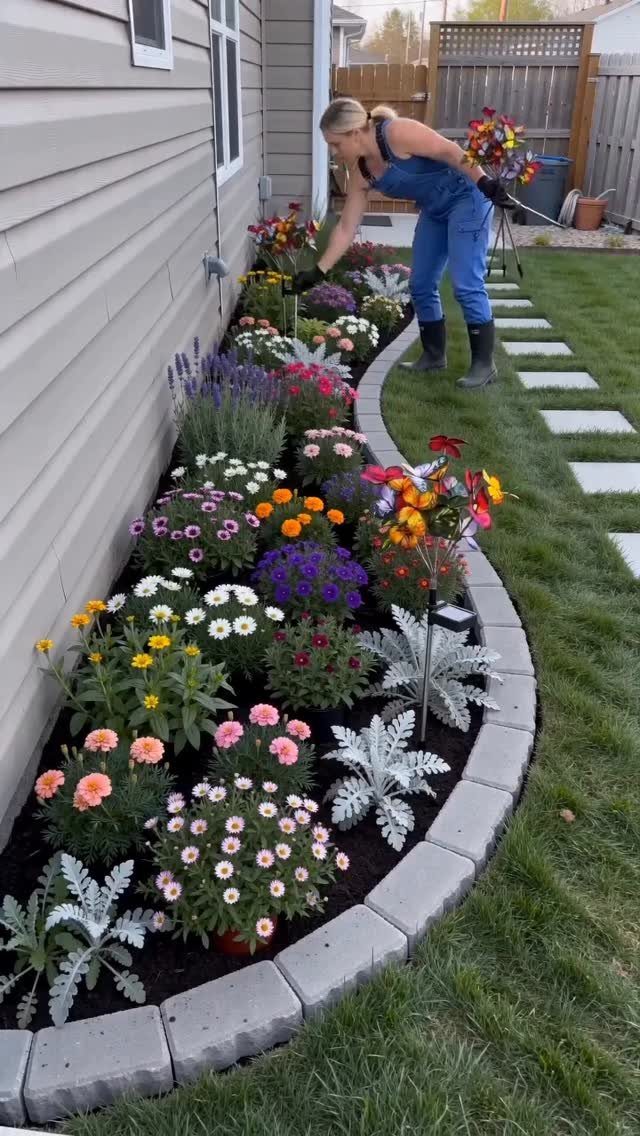
Stone or brick edging buys a clean line between lawn and bed, and it saves the half-hour every few weeks spent trimming grass that has crept inward.
Gray pavers suit most house colors and are easy to reset if frost heaves them.
I set mine slightly above soil level, not flush; mulch or soil washes over flush edging and grass seeds into it within a season.
Wood rots faster in wet climates, and plastic looks like plastic after a year of sun. Stone costs more upfront but sits there for decades.

【Durable and Stylish Garden Edging】 Crafted from high-quality metal, this garden edging withstands all weather conditions, ensuring long-term durability and reliability. Its structural integrity remains intact, making it a trusted addition to any outdoor space.

20ft L & 5.1" Exposed Height - This garden edging has a total height of 6.73", with 5.1" exposed above the ground after installation. The added height is specifically designed for better protection of your cherished plants, keeping them safe and secure while enhancing the visual appeal of your garden.

8-INCH HEIGHT FOR EFFECTIVE BARRIER: Holds up to 6" of mulch, soil, or pebbles (with standard burial :bury 2", leave 6" above). Blocks grass & weed roots. Perfect for raised beds, tree rings & borders
9. Paths in Gardens
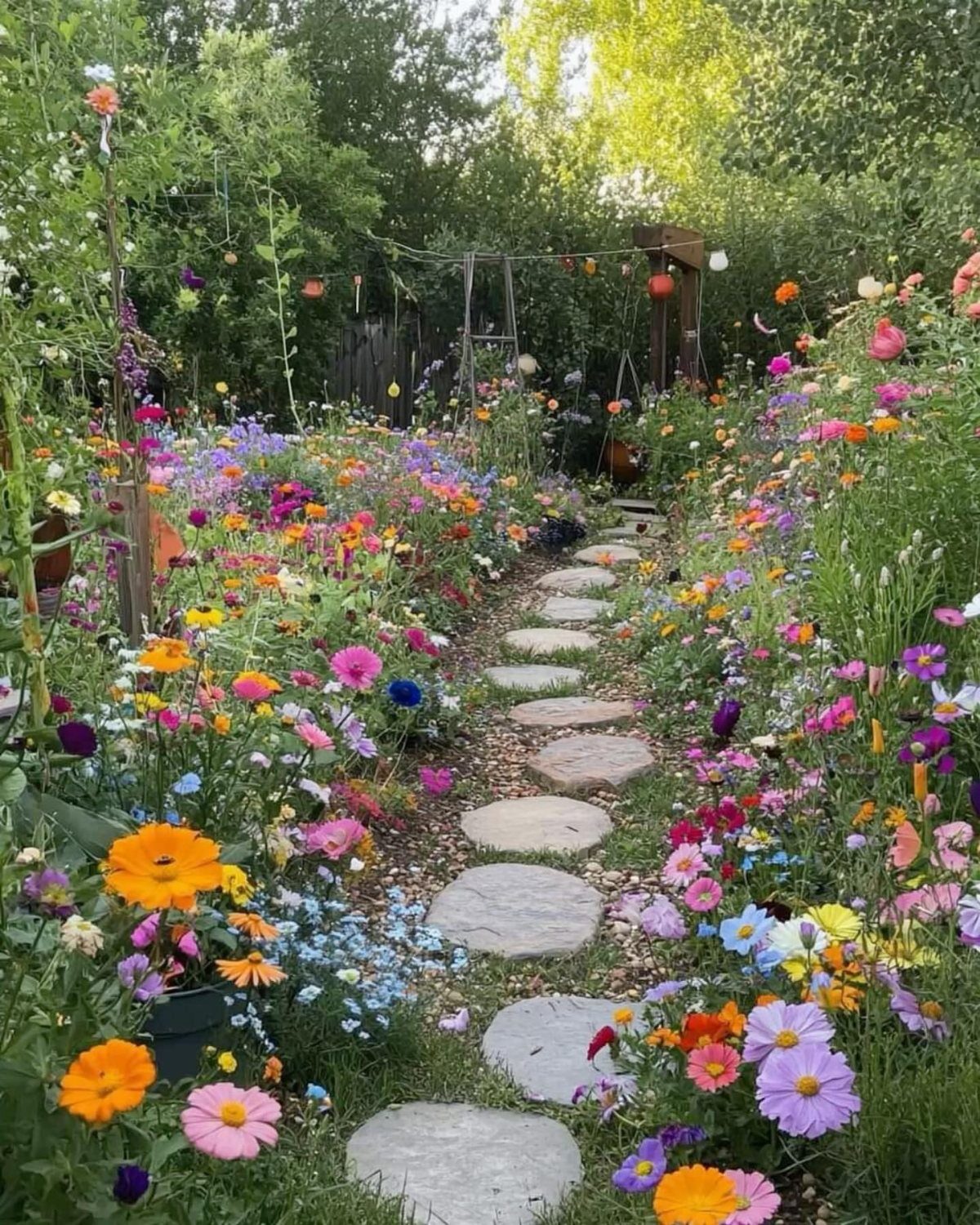
A path of stepping stones in gravel keeps feet dry and directs traffic so soil does not compact around roots. A gentle curve slows the walk and lets the garden reveal itself in stages.
I lay stones at a comfortable stride length, spaced so 2 steps fit naturally between them, and set them in compacted gravel so they stay put without mortar.
Gravel between drains better than mulch, which turns to mud in shade. Connect beds that are already there; a path to nowhere is just more area to weed.

Garden nature design with Plant a Pollinator Paradise, perfect for anyone about creating pollinator gardens. Native plants, bees and butterflies, this design is ideal for gardeners, nature lovers and environmentalists who like wildlife.


10. Raised Stone Bed with Planters
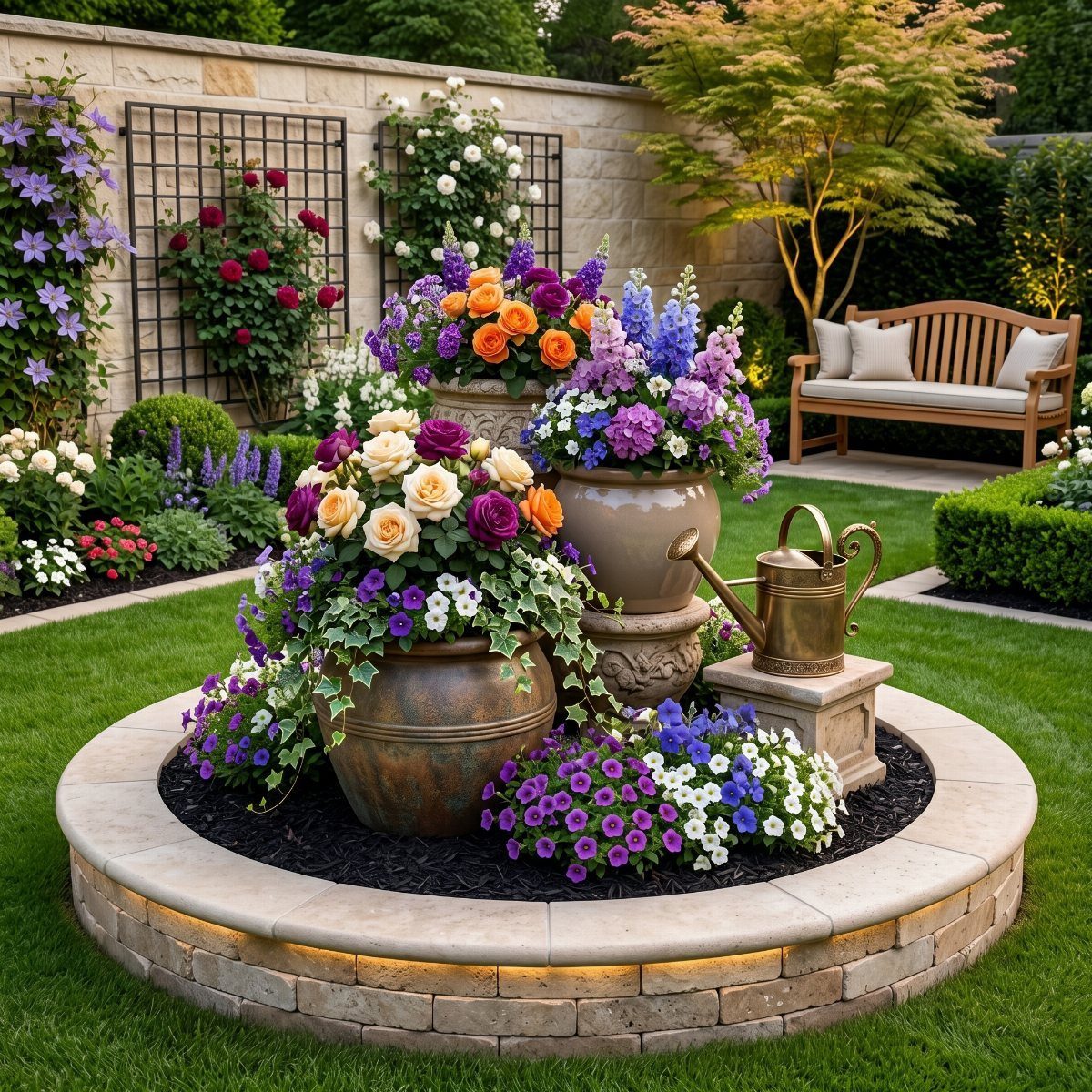
A raised stone ring filled with potted plants gives the structure of a permanent bed without committing every plant to the same soil and sun.
Ceramic planters of petunias and roses can move if color fades or a spot proves too wet.
Build the wall high enough to matter; lower and you might as well plant at grade.
The stone circle defines the space, but the pots do the gardening. Built-in deck planters work on the same principle for small yards, though that version trades the lawn centerpiece for railing-height blooms.

【High Quality】Decorative garden fencing animal barrier, crafted from thick metal wire, no sharp edge. Sturdy construction degsin, ensures won't crack or bend. The decorative garden fence panels surface has undergone high-temperature powder coating treatment, rustproof, colourfast. Withstands rain erosion and sun exposure, capable of enduring harsh weather conditions.

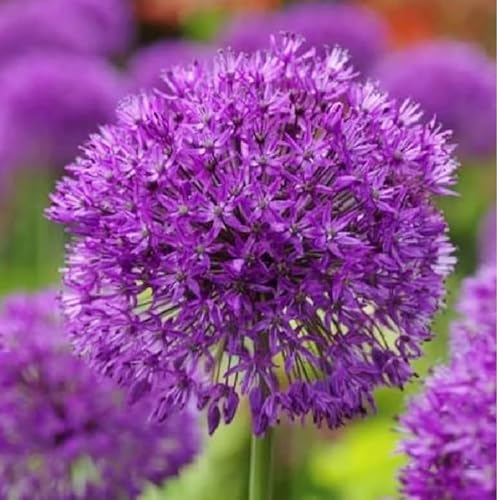
Fragrant Purple Globe Blooms: Purple Sensation Allium produces rich violet, star-shaped florets forming bold 4–5" globes. These perennial bulbs add height, structure, and vibrant color to late-spring and early-summer gardens.
11. Heart-shaped Flower Bed
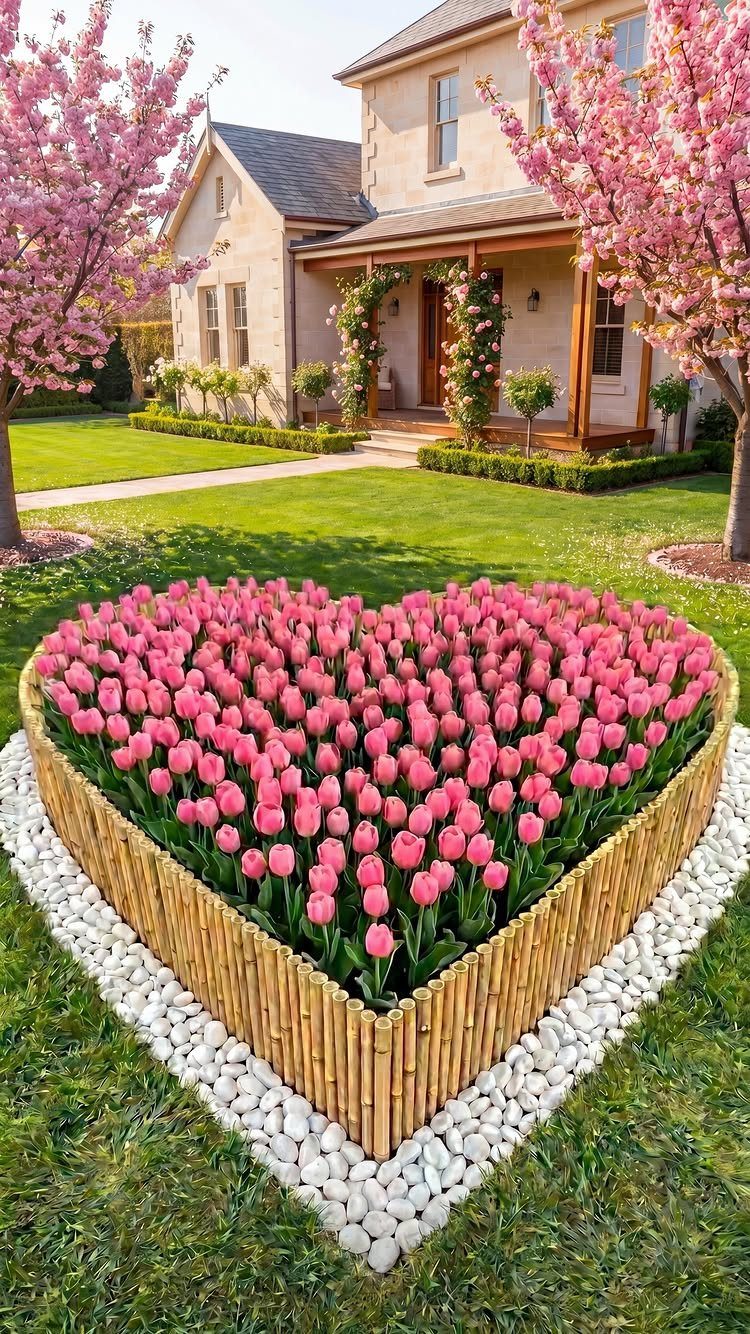
A heart-shaped bed edged in bamboo and planted with pink tulips turns a lawn patch into a gesture.
I would use annuals or bulbs rather than perennials here, since the tight curve makes dividing and replanting awkward every few years.
Bamboo stakes lashed together are cheap and last two or three seasons before graying. White stones around the edge, as above, catch light and keep the shape visible after blooms pass.
12. Circular Tiered Flower Bed
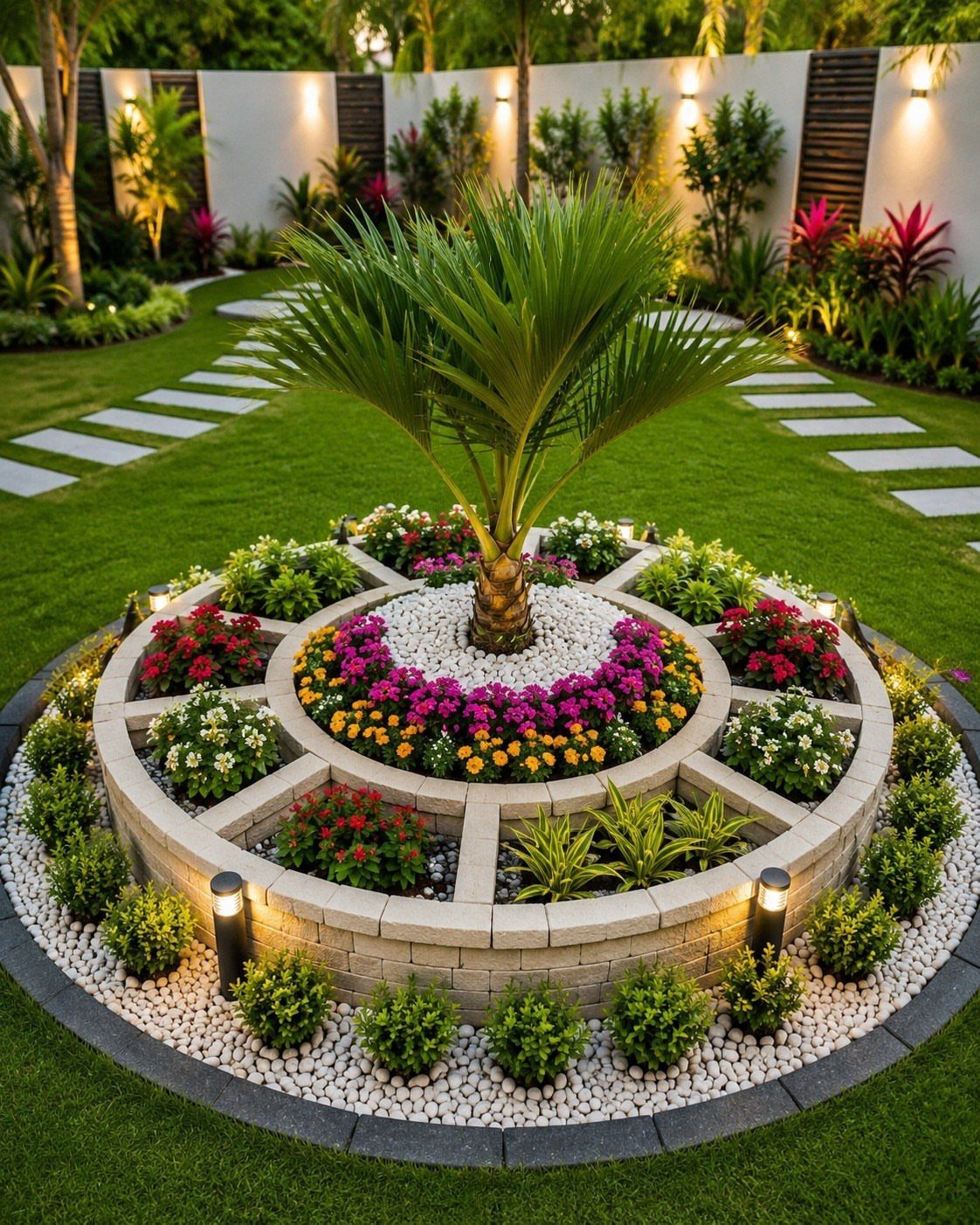
Concentric stone rings stepping upward from lawn level give a small bed the presence of a larger one. The central palm or small tree anchors the design; annuals fill the rings around it with color that changes year to year.
I build each tier a step above the last, with stone wide enough to sit on or step across for deadheading.
Drainage matters more than in a flat bed; water runs to the center and sits there if the base is not free-draining. Landscape lighting at the base, as above, turns the structure into a lantern after dark.
13. Flower Bed with White Pebbles
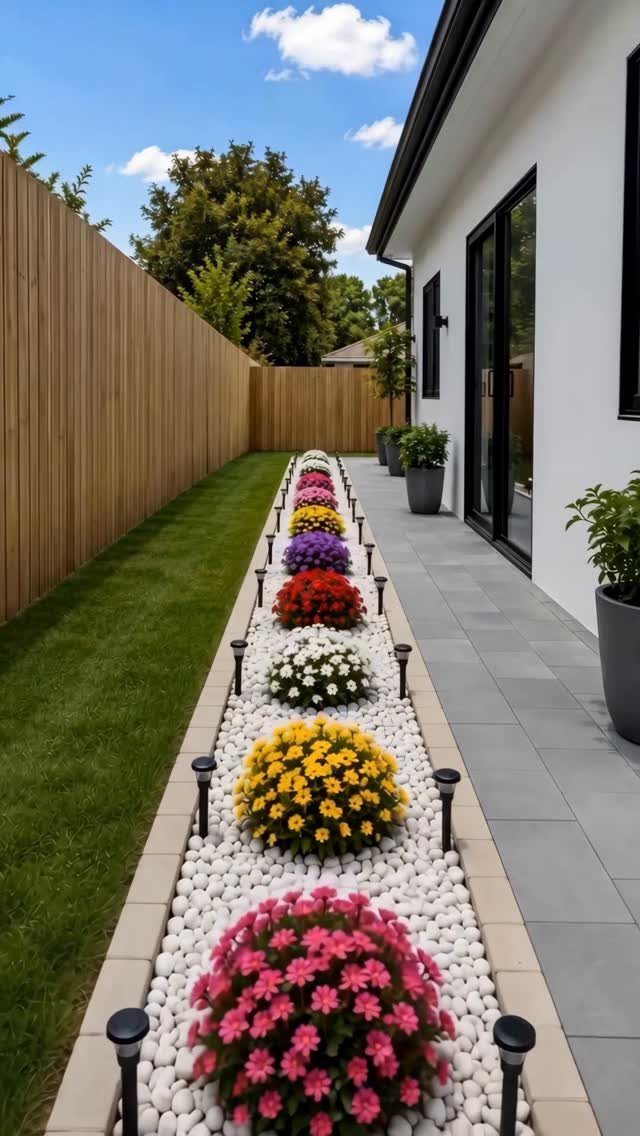
White pebbles reflect heat and light, which keeps roots warm on cool nights but can stress plants in a southern exposure.
The contrast against bright blooms is sharp and clean, though the pebbles show every fallen leaf and need raking to stay neat.
I would choose drought-tolerant annuals or succulents here; the pebbles do not hold moisture the way mulch does, and watering runs through fast.
A liner or heavy weed barrier beneath keeps soil from mixing up through the stone. Solar lights tucked at the edge, as above, extend the effect into evening without extra wiring.
14. Fence Line Wildflower Border
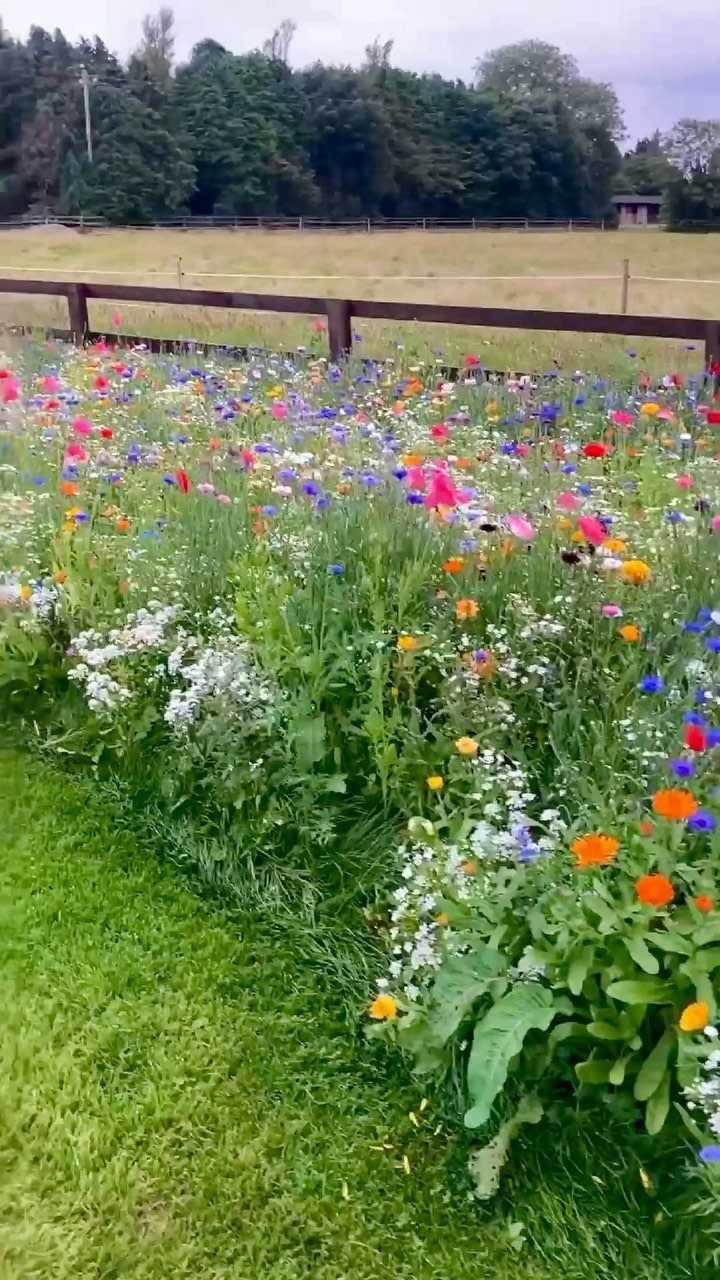
A fence line is the easiest place to hide a wildflower border’s early messiness while it establishes; the structure behind gives the eye something to rest on even when growth is patchy.
Mixed seed blends of annuals and perennials hit color the first year and return in cycles after.
I would scatter seed in late fall or very early spring, raking lightly to bury no deeper than the seed label says.
Taller plants at the back give privacy once they mature; short cosmos or zinnias in front keep the border from looking like a wall of green. The field behind this fence means full sun, which most wildflower mixes demand.
15. Foundation Flower Bed Planting
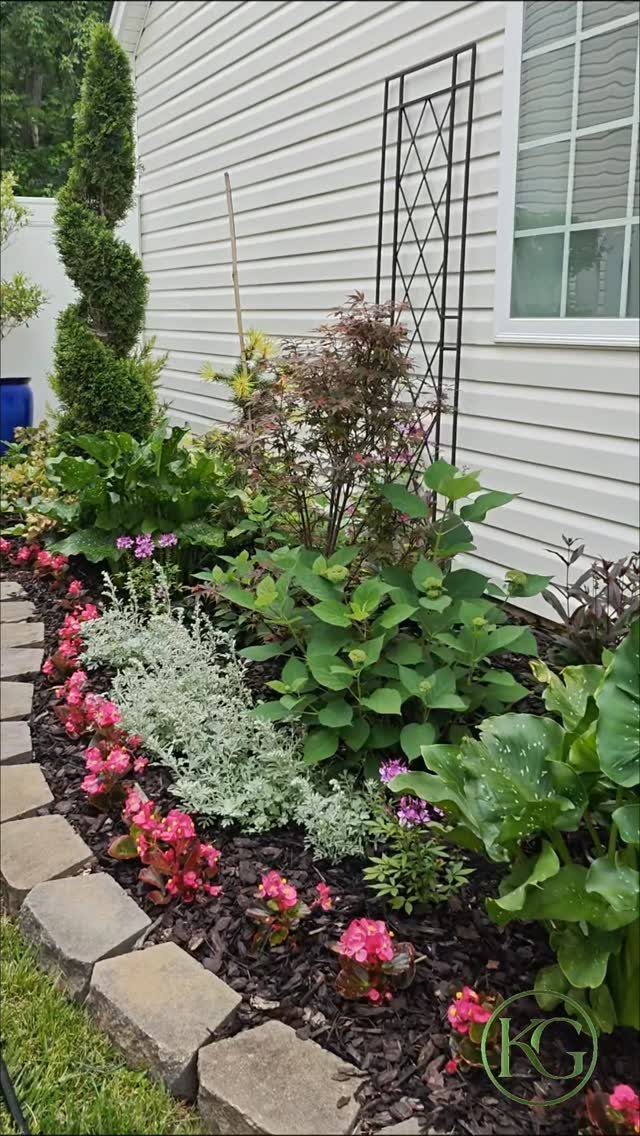
Planting against a house wall puts flowers where you see them daily, though the soil there is often poor from construction fill and dry from roof overhang.
Hostas handle the shade and root competition that defeat fussier plants; begonias give color in spots that get a few hours of sun.
I keep mulch back from siding and trunk bases, same as around trees, to avoid rot and pest paths.
A layered planting, as in entry 7, works well in this narrow space: short annuals forward, mid shrubs at the corner to soften the transition.
16. Raised Wooden Bed Layout
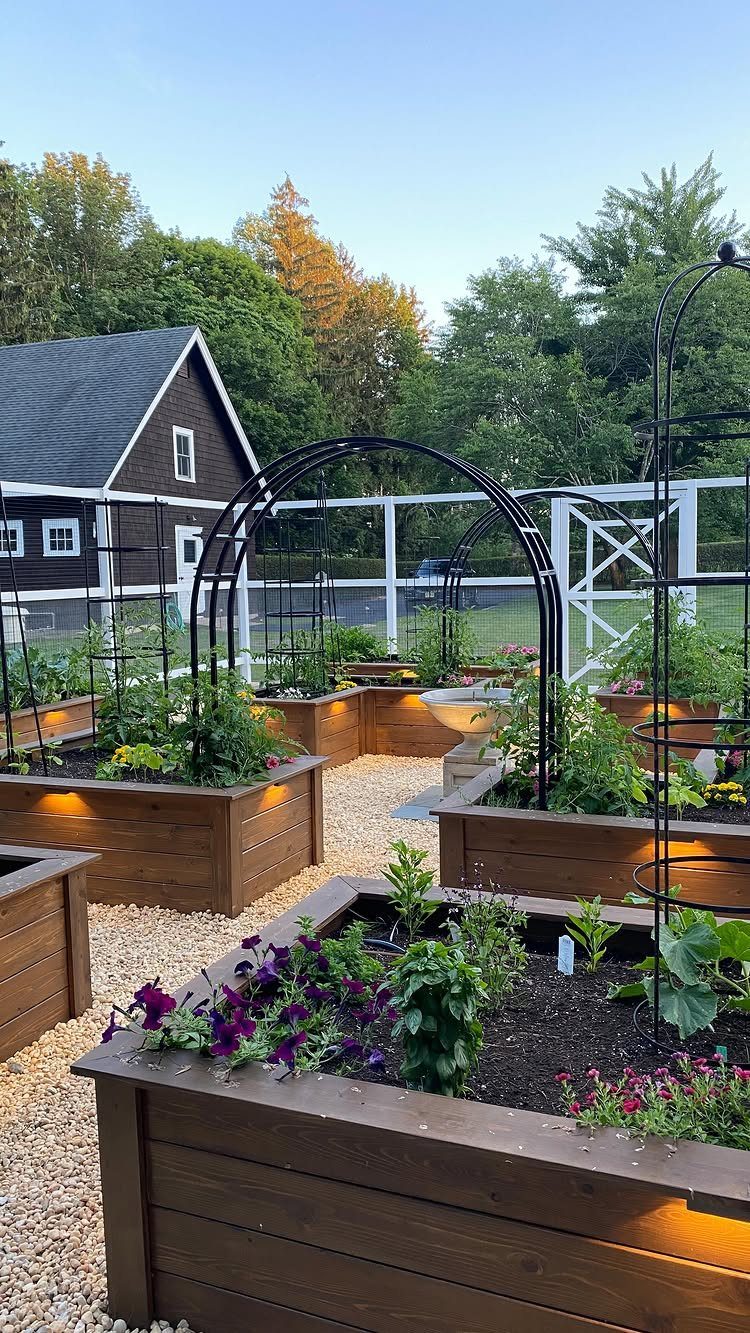
Wooden beds boxes warm faster in spring than ground soil, which extends the planting season by a week or two. Cedar or redwood resist rot longer than pine, though any wood lined with landscape fabric lasts longer.
I would build to a width of 4 feet; wider and you lean into plants to reach the center. The metal arches between beds, as above, support climbing beans or morning glories without permanent posts.
Pea gravel between beds drains well and stays mud-free, though it migrates into the boxes over time and needs sweeping back. Under-lip lighting is optional; it looks sharp but adds to cost and needs an outdoor outlet.
Seven 4×8 beds plus two bonus beds in a 24×18-foot layout, perfect for expanding over time.
17. Hedge-bordered Flower Bed
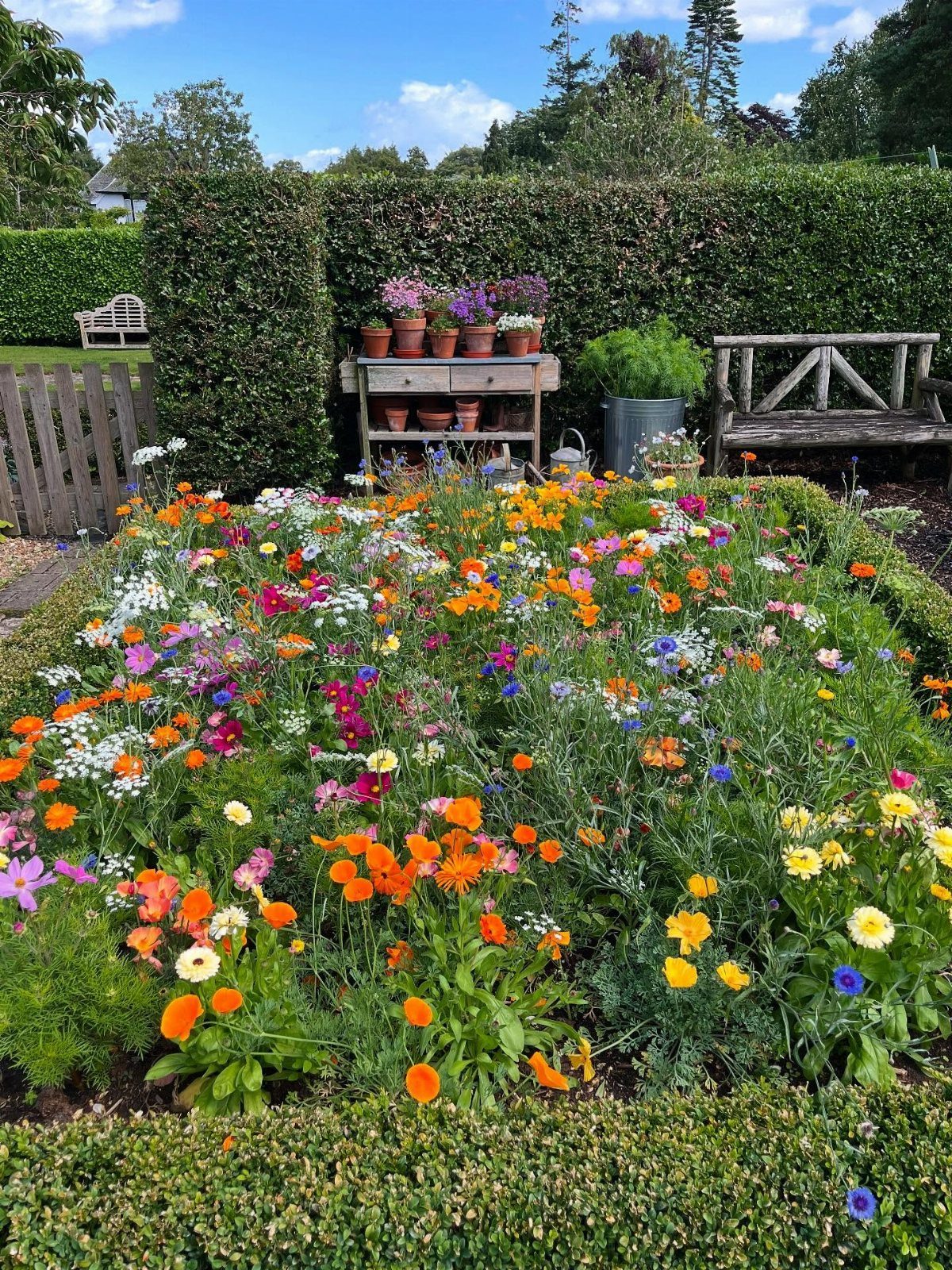
A low box hedge frames flowers the way a mat frames a picture, though filling in from small plants takes patience. The formal edge reads as intention against loose, colorful planting inside; the contrast carries the design.
Clipping four to six times a season keeps the hedge dense and level, which is more commitment than most weekend gardeners expect.
I would plant the interior with self-seeding annuals or tough perennials that do not need the soil disturbed often; digging near mature hedge roots damages the frame you spent years building.
The potting bench and bench in back suggest this is a space to sit, not just pass through.
18. Cottage Garden Stone Border
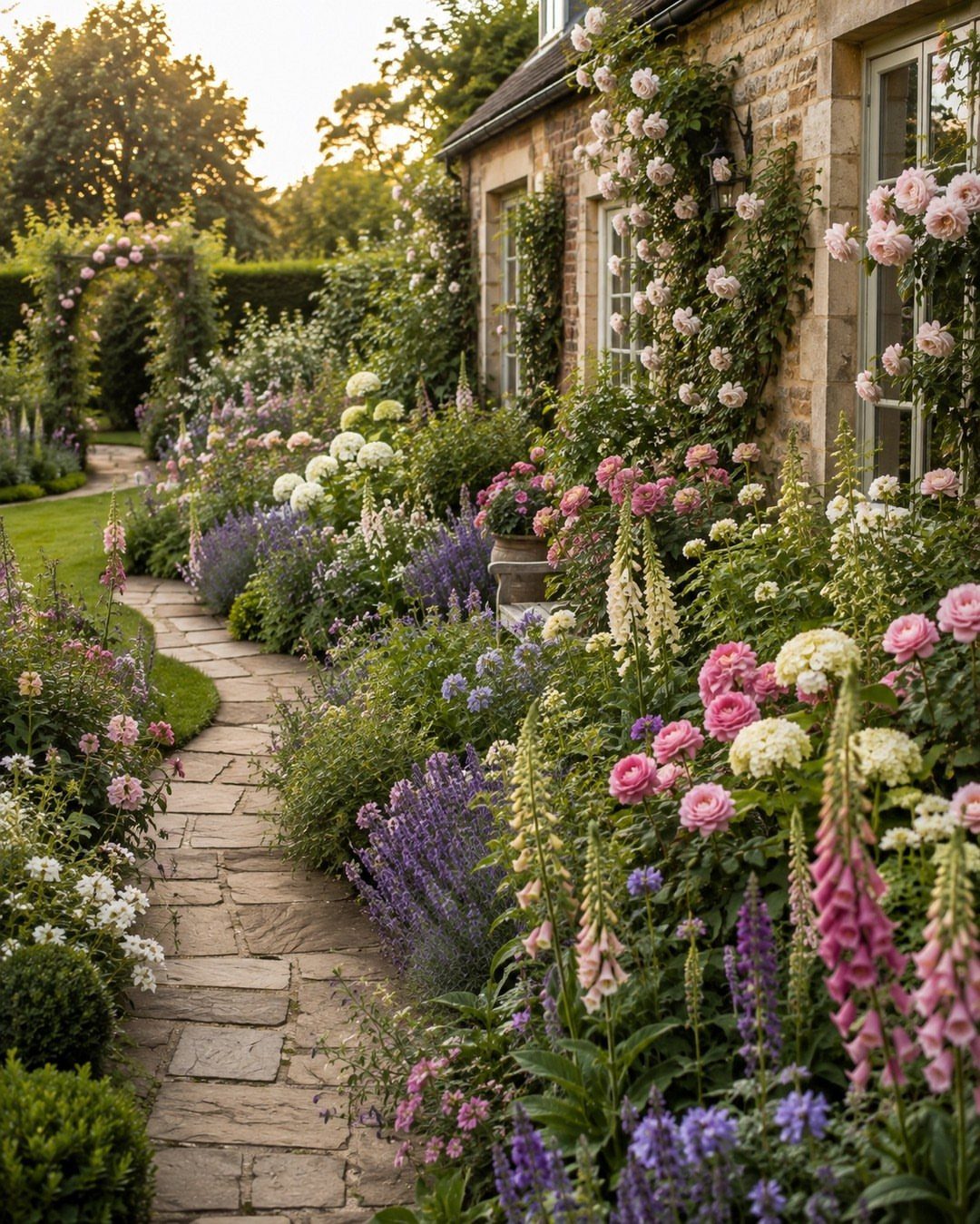
Stone paths through deep beds work when the path is wide enough to kneel on and the soil drains well enough that the stone does not stay slick.
The cottage style depends on density; bare soil reads as failure, so plants must fill every gap.
I would check sun hours before choosing roses, which want full sun, or foxgloves, which tolerate partial shade.
Lavender needs sharp drainage or it rots; if the soil holds water, substitute catmint or salvia for the same color at lower risk.
The stone border here is informal, set with gaps for self-seeders to colonize, which means editing volunteers every spring to keep the path walkable.
Importance of Soil Preparation
Soil preparation determines whether a flower bed survives its first summer or struggles from day one. I dig in compost or aged manure before planting anything, working it through the top few inches where roots will spread.
Clay-heavy soil in my area packs hard after rain; adding organic matter breaks it up enough for water to move through instead of pooling around stems.
A simple pH test from the hardware store tells me whether to bother with lime or sulfur; most flowers tolerate between 6.0 and 7.0, which is where my beds usually land after amendment.
I wait a week after turning in compost before setting plants, letting the soil settle and microbes start working. Skipping this step to save a Saturday almost guarantees replanting in June.
Choosing the Right Plants
Flowers survive where they suit the spot, not where the catalog photo looked prettiest. I match plants to hours of sun first; full-sun varieties stretched into shade reach for light and bloom thin, while shade lovers scorch in afternoon exposure.
Soil type matters next: sandy beds drain fast and need more frequent watering, clay holds moisture and rots drought-tolerant roots, and loam is the middle ground most labels assume you have.
Native species from my state extension’s list handle local summers without the coddling that exhausts me and my water bill.
Breeding has expanded color ranges in tough plants; coneflowers, black-eyed Susans, and asters now come in shades their plain ancestors never offered. I buy for the conditions I have, not the ones I wish for.
Visual Appeal and Aesthetics
A flower bed serves 2 audiences: the passerby on the street and the person washing dishes at the kitchen window.
I plant with sightlines in mind, placing taller plants or structural elements where they frame a view from inside rather than blocking it.
Morning light through ornamental grasses carries further than blooms alone; the movement draws the eye even when color is scarce.
Curved beds read softer from a distance than straight lines, and a path that curves out of sight invites walking it to see what comes next.
I check the bed from upstairs windows too, where the layering of heights shows or fails.
White pebbles or pale blooms catch moonlight and extend the garden into hours when I am home to see it. A bed that rewards looking beats one that only photographs well at close range.