The ideas below run from steel and plastic to black aluminum and glass, and the right one depends on whether the structure needs to read as garden architecture, production space or borrowed living area.
A masonry knee wall lifts ironwork above ground moisture; a dirt floor suits seasonal growing but limits what comes after.
[link-whisper-related-posts]1. Large Institutional Greenhouse
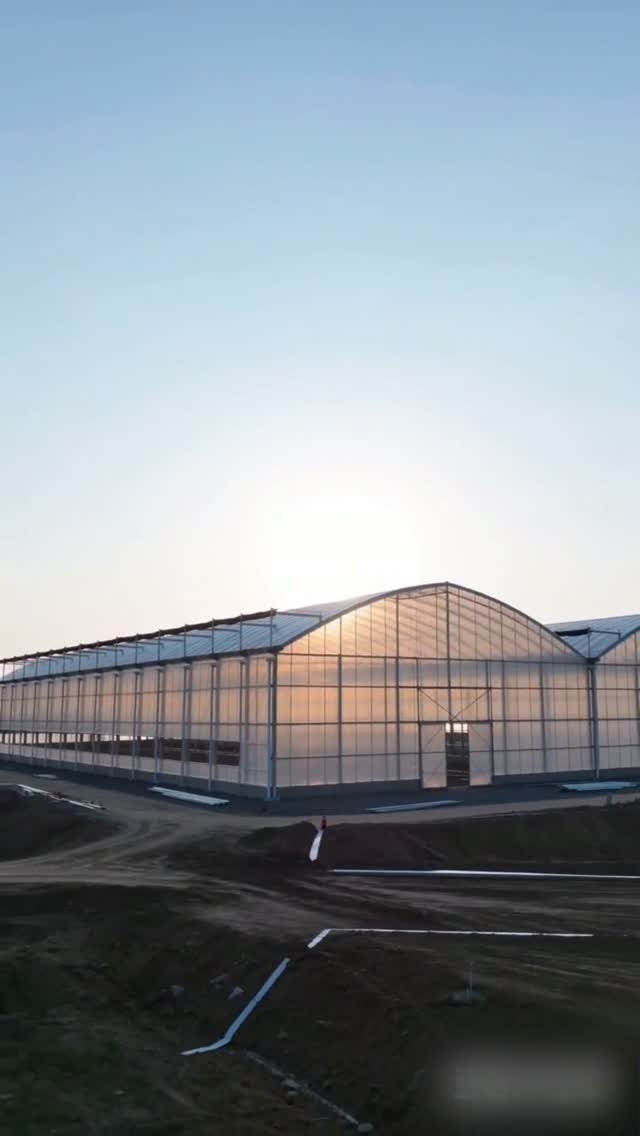
A 9,000 square foot institutional greenhouse runs on steel tube frames and translucent panels to control climate for plant study and display.
Costs include basic electrical and water service, though heating, automated watering, shade curtains and planting benches sit outside that number. Concrete or gravel floors work for school growing programs; sealed concrete and glazed partitions suit research use.
I would check whether my project needs the architectural embellishments and masonry knee wall of a conservatory, or whether straight walls with a gable roof cover the purpose.
Dirt floors cut costs but limit what the space can handle long term.

[High Transmittance & UV Protection] Made of optical-grade material, this polycarbonate sheet has over 90% light transmittance. Sunlight slips through easily, giving plants a full "sunbath" for photosynthesis. Its UV-resistant coating blocks 99% of UV rays—no wilting plants, and unlike low-quality greenhouse plastic, it won’t yellow or age.

8LARGE-FORMAT PANELS – Includes ten translucent panels, each measuring approximately 6 x 2 ft and covering 12 sq. ft. Provides up to 96 sq. ft. of total coverage before trimming, overlap or installation waste.

80% Light Transmission: With 80% transparency, these roof panels allow ample light while blocking 98% of UV-rays, preventing overheating and supporting stable, plant-friendly temperatures year-round.
2. Large Iron Glass Greenhouse
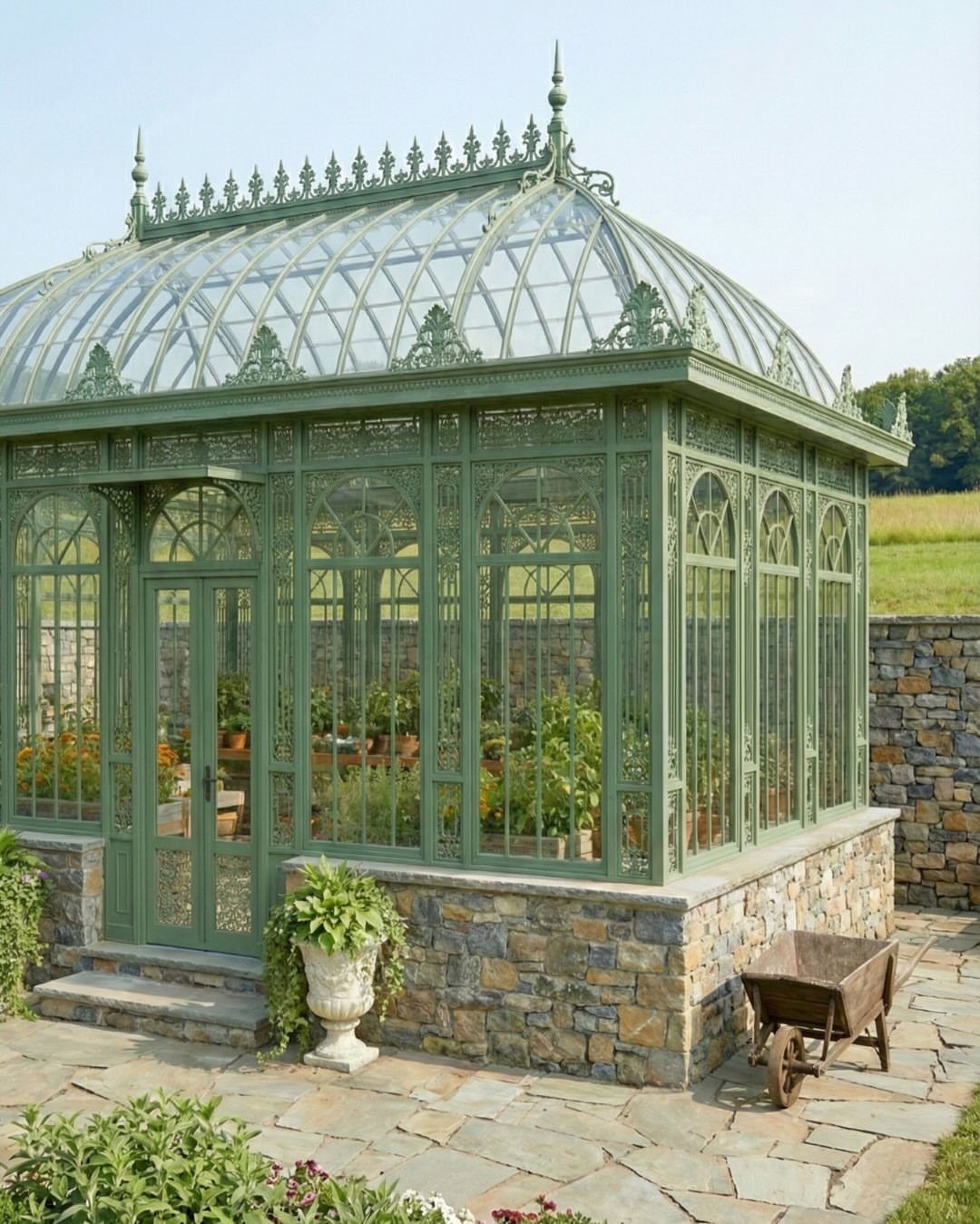
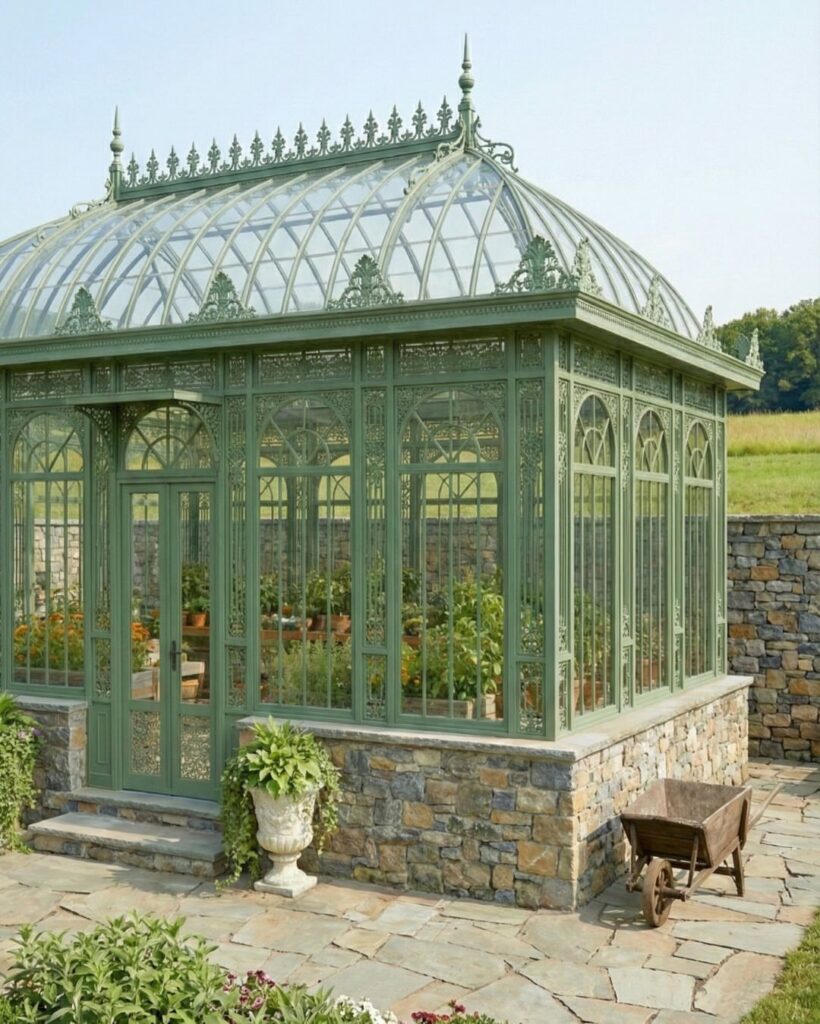
Wrought iron and glass greenhouses run $3,650–15,500 from suppliers, with Victorian styling and curved roofs sitting on stone foundations.
The metalwork carries the visual weight; the stone base lifts the glass above ground moisture and gives the frame something solid to anchor against.
I prefer this style where the greenhouse is meant to read as garden architecture, not just utility.
The price spread reflects size and detail level in the ironwork. A masonry knee wall, borrowed from conservatory construction, could replace the stone base if the site suits it.

Quick & Easy Assembly: This polycarbonate greenhouse kit features a simplified setup system designed to make installation faster and easier. The upgraded lock installs smoothly and adds extra stability. For best performance, please install the reinforcement bar according to the instruction manual.

Quick Assembly: This walk-in greenhouse features quick connectors and triple-lock joints for tool-free installation. Two people can assemble in 2–3 hours with ease.

Heavy-Duty & Reinforced Stability Built with a premium aluminum alloy frame and reinforced structure, this greenhouse is designed to withstand harsh outdoor conditions, including strong winds, heavy rain, and snow. Equipped with ground spikes and secure base mounting options (soil, concrete, or wood), it ensures maximum stability for year-round use. Sized at 66.9"L x 66.54"W x 77"H, it offers a sturdy and space-efficient solution for your outdoor garden
3. Modern Greenhouse Designs
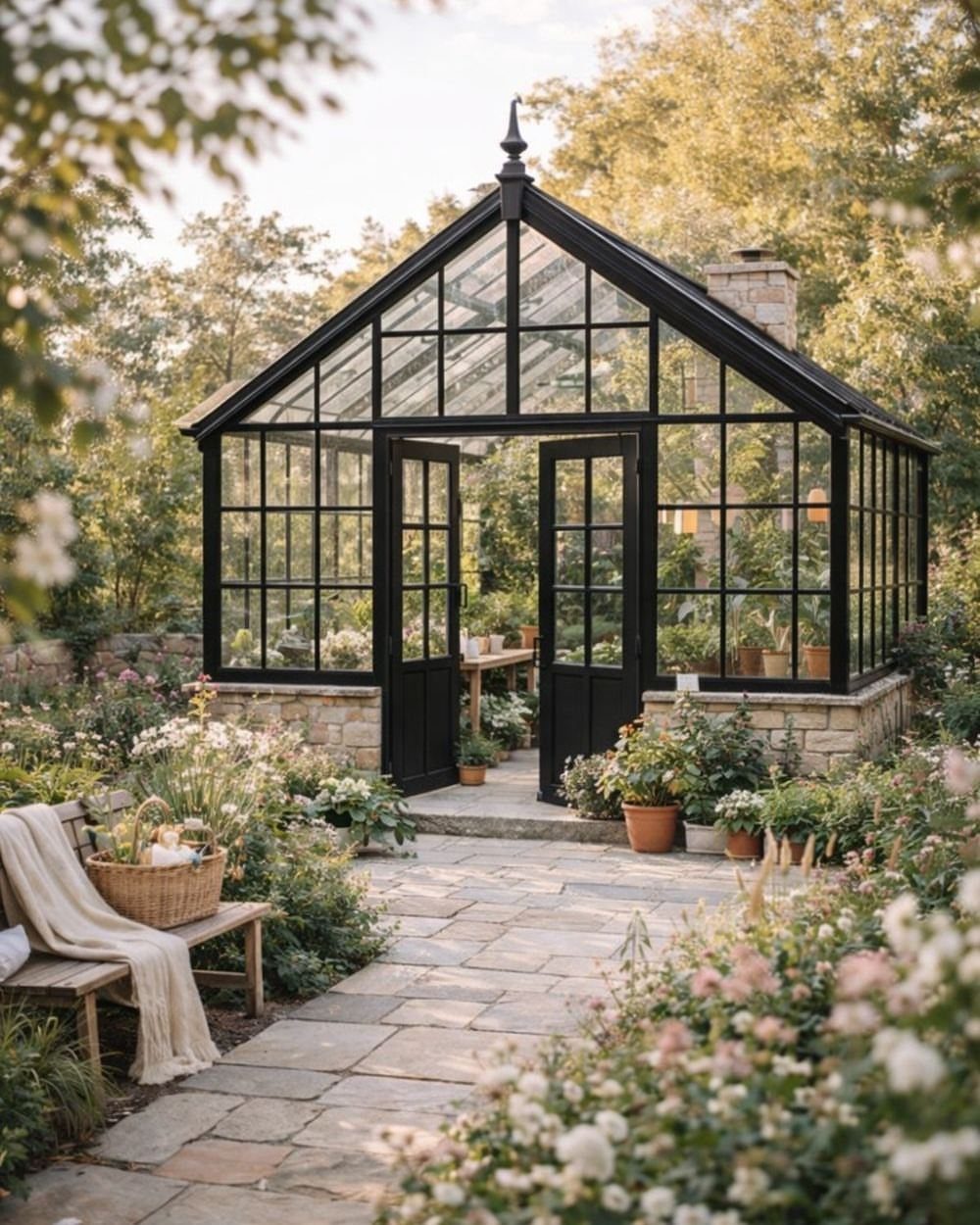
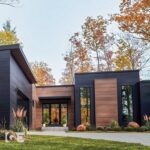
Black aluminum framing with a stone base and peaked roof fits contemporary houses without the ornate metalwork of older styles.
A 1-piece greenhouse in this look lists at $13,488–16,599, which tells me the modern lines come at a premium over traditional iron versions.
The open double doors in the visible setup matter for summer airflow; I would plan the door placement against prevailing wind, not just garden paths.
Stone base and black frame together ground the structure visually; painted wood trim would read as a different thing entirely.

POLYCARBONATE GREENHOUSE PANELS: Twin-wall construction creates insulating air channels while providing lightweight, durable coverage for greenhouse projects.
POLYCARBONATE GREENHOUSE PANELS: Twin-wall construction creates insulating air channels while providing lightweight, durable coverage for greenhouse projects.

Strong Material - 10 pieces of 8 x 4 ft polycarbonate panels, approximately 0.24 inches thick, feature a twin-wall design for outstanding impact resistance, making it withstand hail and falling objects without cracking or breaking, is the perfect material for greenhouses
4. Attached Glass Greenhouse Addition
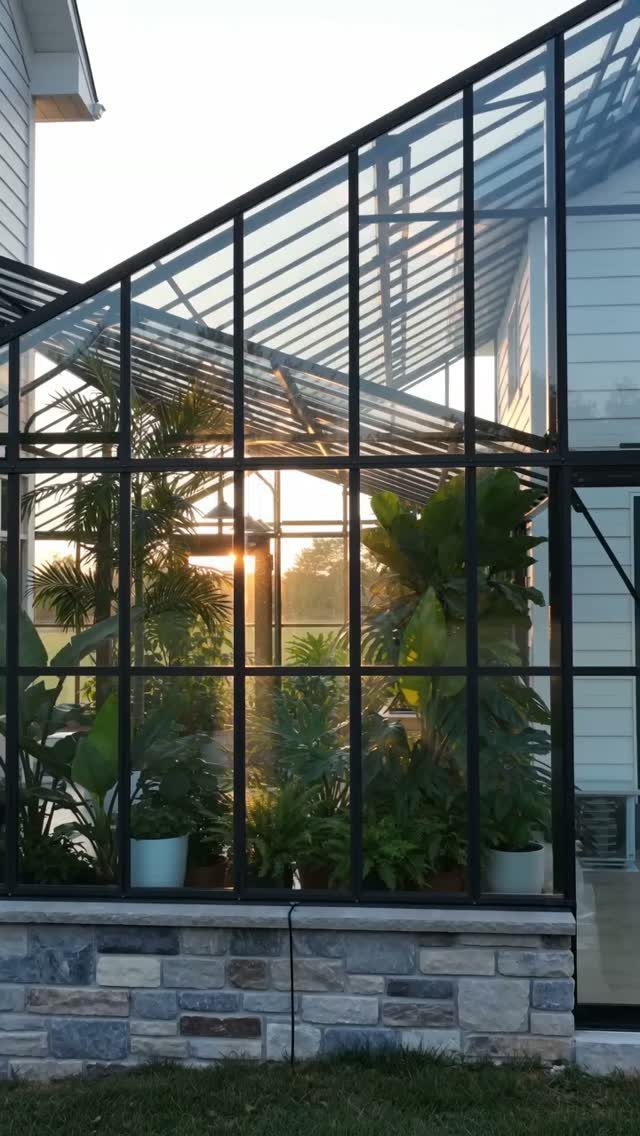
Attaching the greenhouse directly to the house wall turns it into a sunroom that borrows heat and electricity from the main structure.
The tropical plants inside suggest year-round use, which means checking whether the existing foundation can handle the load and whether local code treats it as an addition or an outbuilding.
I would verify the wall connection details before ordering; water management at the joint matters more than in a freestanding unit. The black frame against white siding gives high contrast; a wood frame would read softer but need more maintenance.

80% Light Transmission: With 80% transparency, these roof panels allow ample light while blocking 98% of UV-rays, preventing overheating and supporting stable, plant-friendly temperatures year-round.
5. Greenhouse Living Space
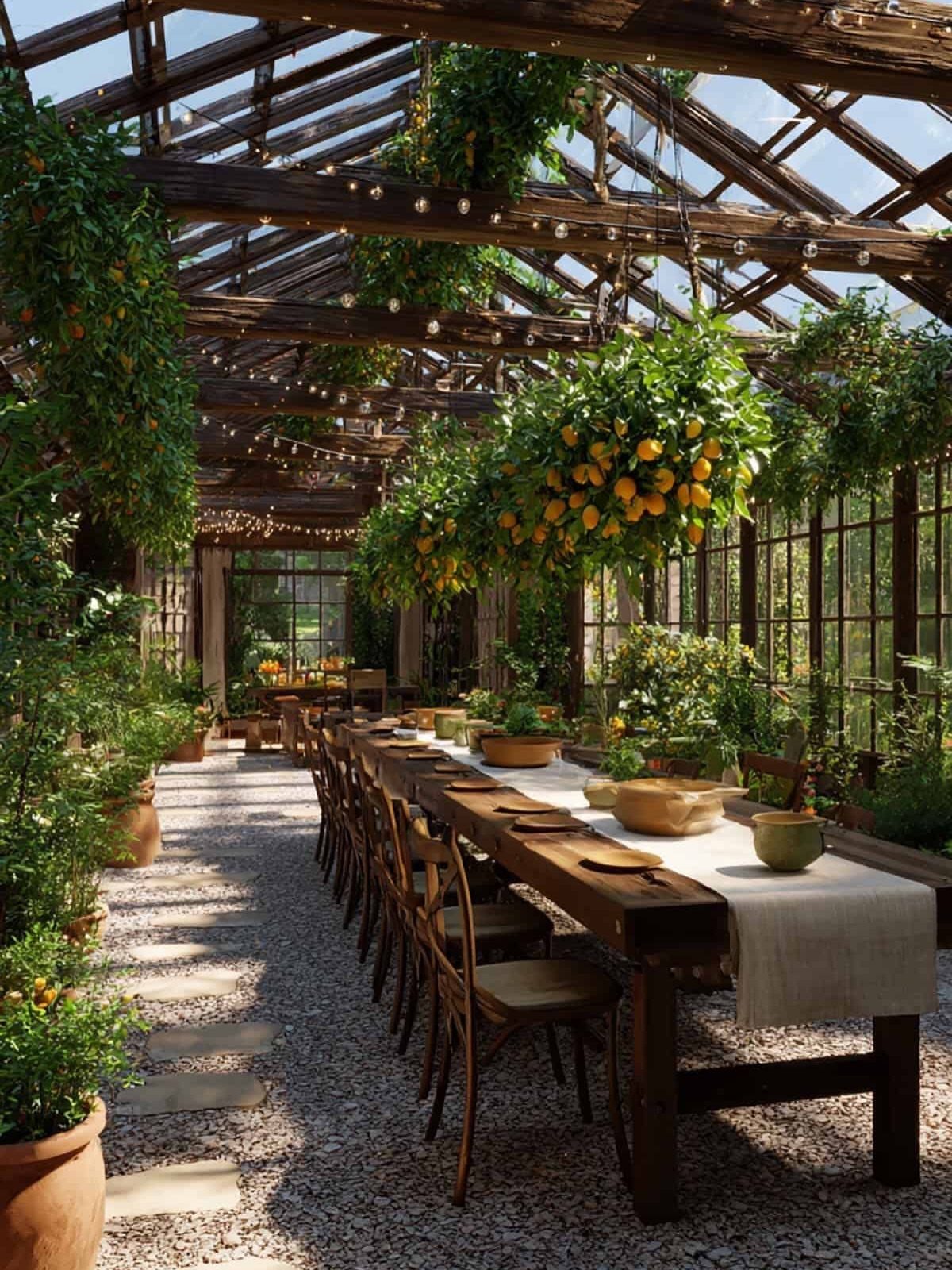
Gravel floors and string lights signal a greenhouse used for gathering, not just growing. The dining setup needs level ground for the table, so grading the gravel base matters; loose stone over dirt shifts under chair legs.
Hanging citrus and potted greenery give the enclosure its purpose, but I would check weight limits on the overhead structure before adding much.
Heating for evening use sits outside basic greenhouse costs, as does any kitchen tie-in. The rustic wood furniture suits the agricultural frame; painted metal would fight it.
6. Large Commercial Hoop House
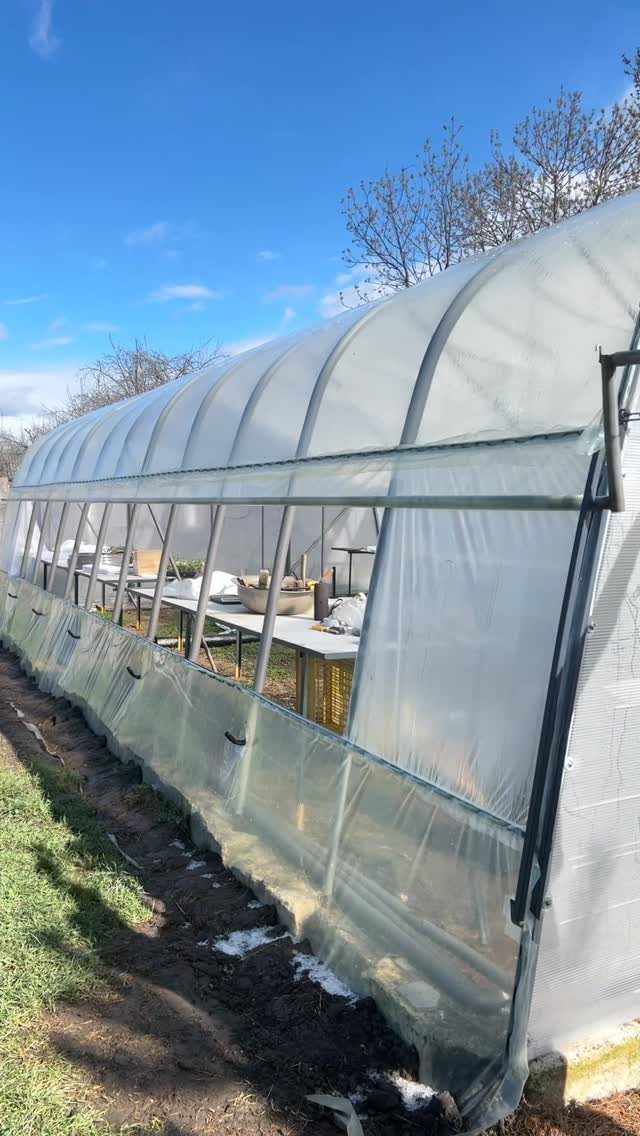
Hoop houses run $10–35 per square meter at minimum orders of 240 square meters, putting entry cost far below glass and metal alternatives.
The arched steel frame carries plastic sheeting with roll-up sides for ventilation; the visible work tables and supplies inside show commercial use. UV exposure breaks down greenhouse plastic over time, and that replacement cost is one glass avoids entirely.
The dirt floor suits production growing; concrete would raise the price and change the use case. For seasonal extension in a mild climate, this trades longevity and appearance for square footage and speed.
Frequently Asked Questions
What is a huge greenhouse called?
Once a greenhouse clears 9,000 square feet, the industry calls it an institutional greenhouse, with straight walls and a curved, arched translucent roof.
These are built for regulating climate conditions in plant study, display, and commercial growing. The name distinguishes them from smaller commercial or backyard models by both scale and purpose.
What does a large greenhouse cost?
Prices swing widely based on materials, size, and what you include in the build.
A basic large greenhouse shell typically starts around $5,000 to $10,000, but that price is just the shell; a heating system, automatic irrigation, shade curtains, and benches all run extra.
Hoop houses start far lower at $10–35 per square meter, though UV degradation on the plastic sheeting brings replacement costs glass avoids.
Do you need a permit for a large greenhouse?
Local code determines whether a greenhouse counts as an outbuilding or an addition, and that classification drives permit requirements.
I would check with my local building department before ordering materials, since water management at the house joint and structural load are the points that trigger most code concerns.