These 7 ideas run from a single black pot on a balcony to a full circular garden with a center pond, and the right one depends on whether you are filling a weekend or building a system you will tend daily.
[link-whisper-related-posts]1. Garden Access Paths
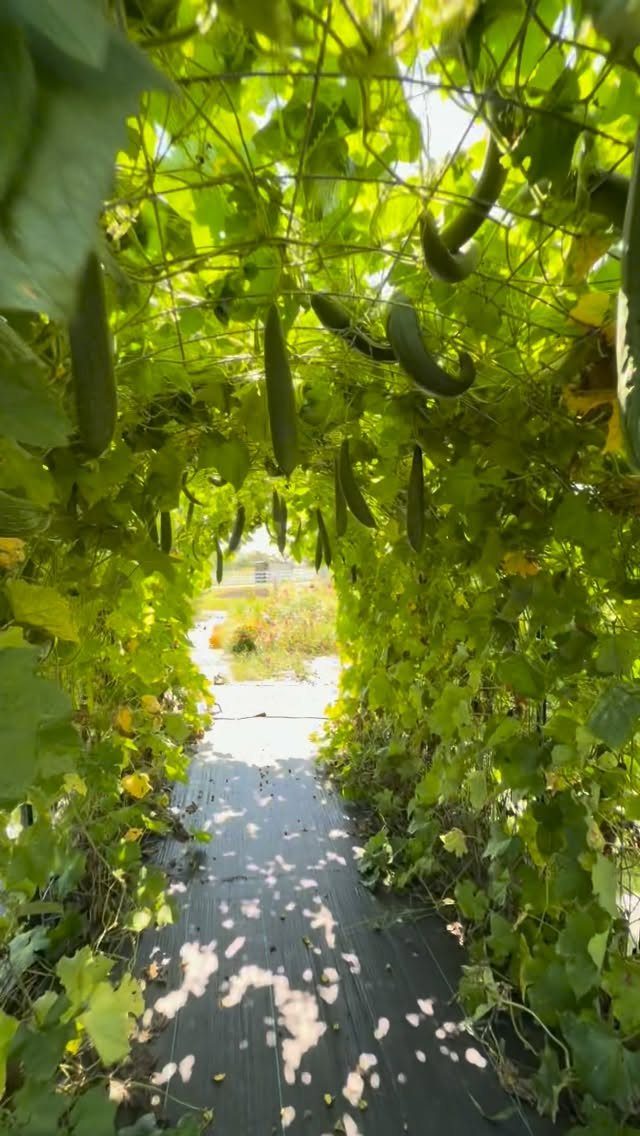
A main path 4 feet wide changes how you work in a garden. That width fits a wheelbarrow for soil, compost, or a harvest of squash, and it keeps you from brushing against plants every time you pass.
Secondary paths between rows need 2 feet at minimum. Anything narrower and you will step on roots, break stems, or skip tending the middle of a bed because it is too much trouble to reach.
Black landscape fabric underfoot suppresses weeds without the upkeep of gravel or pavers. An arch trellis overhead turns the path itself into growing space for cucumbers or gourds that hang at picking height.
Keep secondary runs under 12 feet long between main paths. Longer and you will find reasons to avoid the far end.
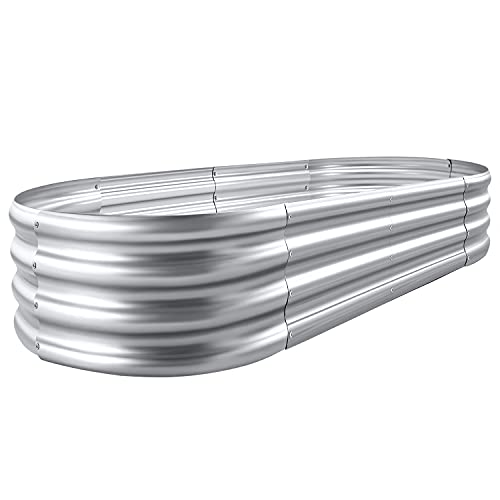
Each raised metal garden bed size: 4×2×1ft ,7.14Cu
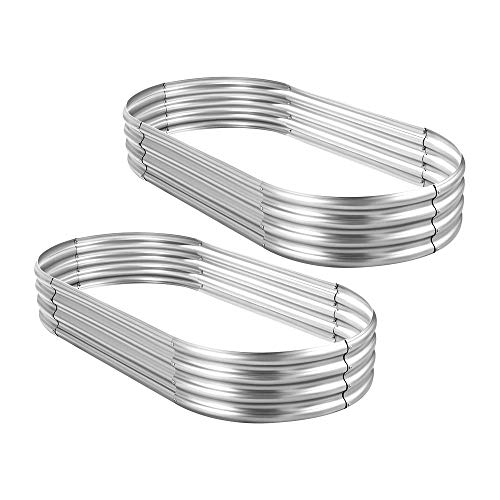
Each raised metal garden bed size: 4×2×1ft , 7Cu

SIZE: 47.24"L x 23.62"W x 11.81"H, this oval raised garden bed provides practical growing space for vegetables, flowers, herbs and other outdoor plants
2. Vegetable Garden Rows
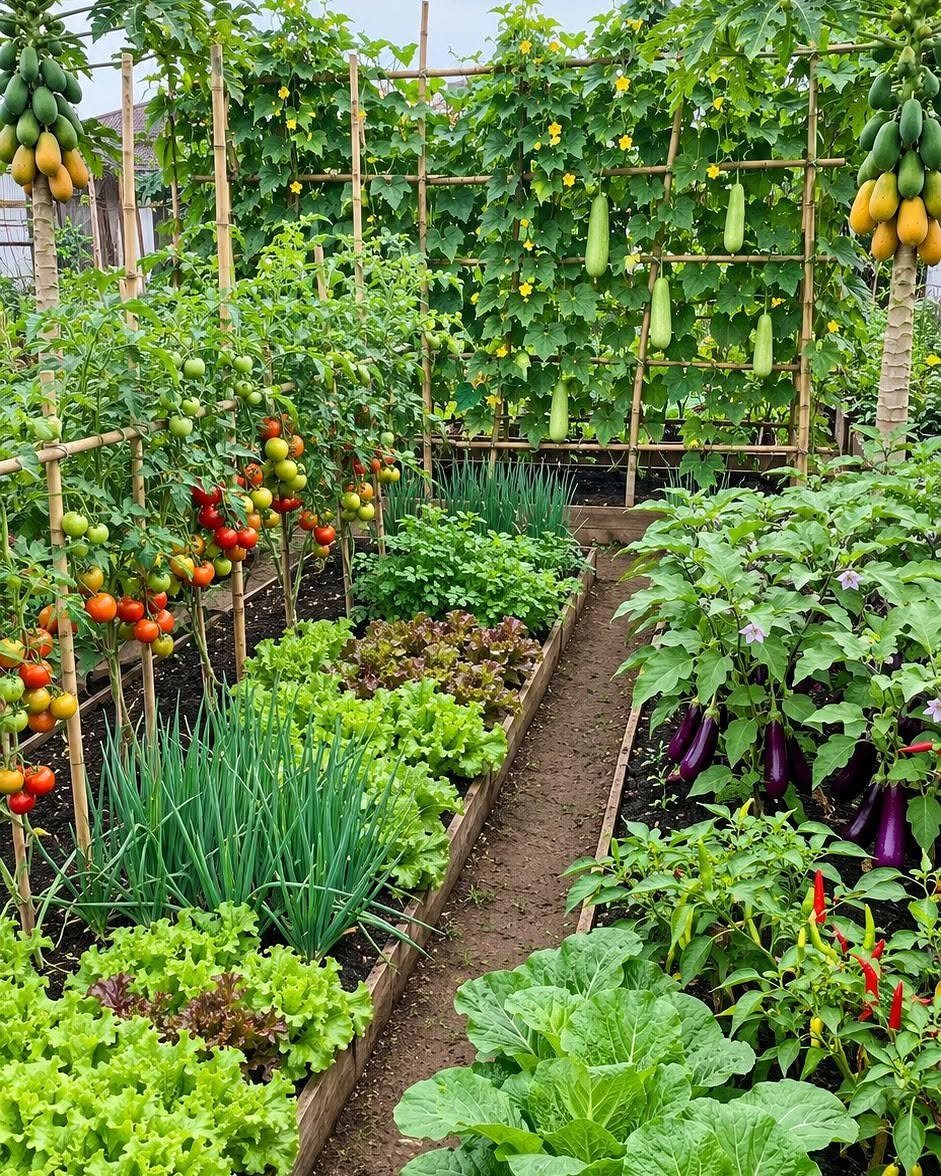
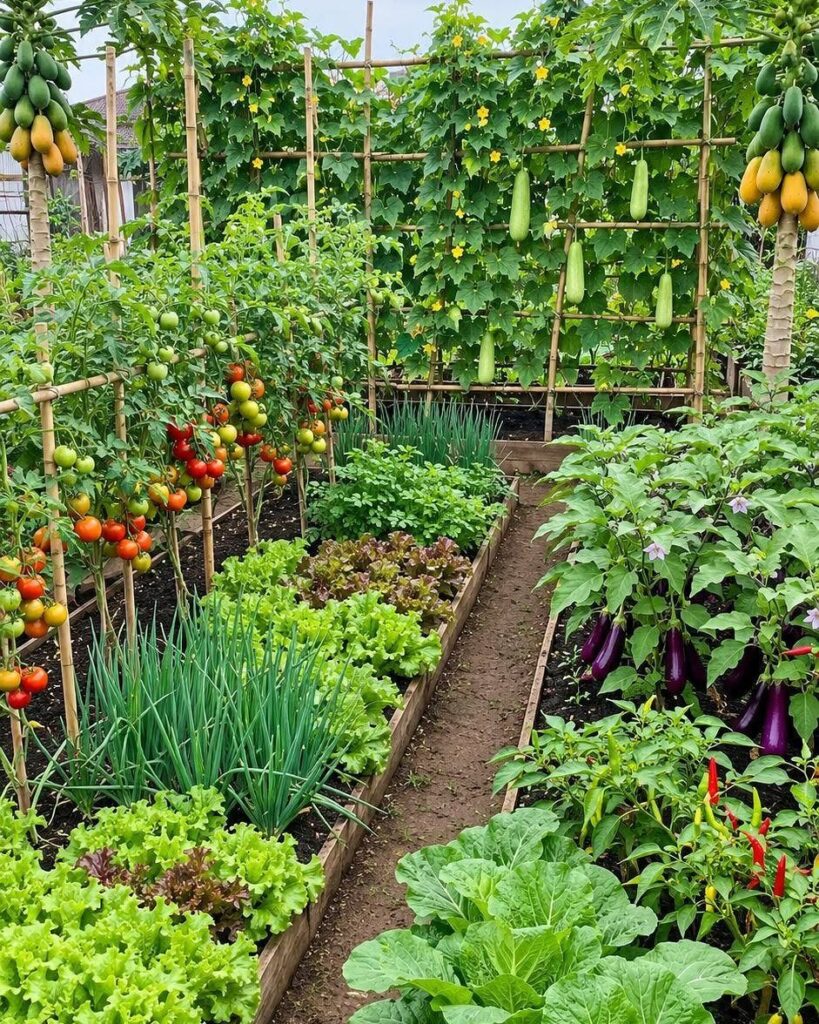
Rows make sense when you are working with more than a few beds. They let you walk a straight line, hoe a straight line, and know what you planted where without guessing.
Bamboo trellises at the edges hold climbing gourds off the ground, and papaya trees mark the ends like punctuation.
For a smaller plot, blocks of plants work instead.
They fit more production into less space but need more hand-weeding since you cannot run a hoe down a straight path. Square footage costs you time.

Professional Grade Weed Barrier: LAVEVE weed barrier fabric is made of woven polypropylene material. Its high-density and permeable characteristics effectively stop weed growth and protect soil health so your plants can grow well.

[ Space-Saving Design Weed Barrier Fabric ] - With a weight of 3.2oz, the PP woven weed barrier fabric comes in various size options. Please take note: the 4ft and 6ft wide landscape fabric are be folded and rolled up for storage, making the actual width only half of the appearance. Once opened, it returns to its actual size.
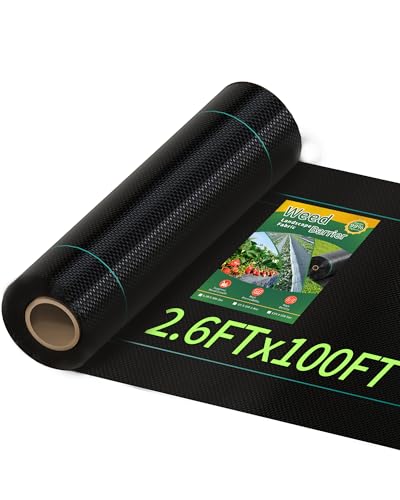
Weed Control: Woven polypropylene physically blocks sunlight to prevent weed seed germination, keeps flower beds, vegetable gardens, and landscaping weed-free without chemical herbicides.
3. Drip Irrigation Water Source
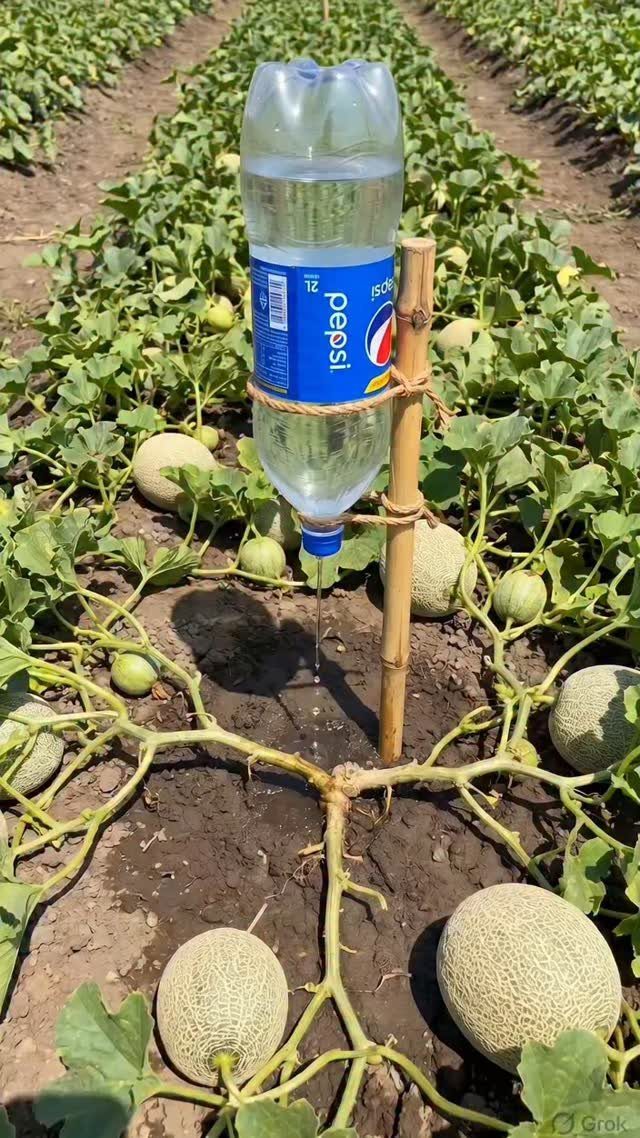
Water carries nutrients to roots. Without it, the fertilizer in your soil sits unused; with too much, roots drown and salts build up.
A drip irrigation water source is not pretty, but it puts water where roots are instead of wetting leaves and fruit.
A full drip system does the same at scale.
Tubes run along the soil surface and emit water slowly, keeping soil evenly moist. Overhead sprinklers waste water, spread disease from leaf to leaf, and split tomatoes when fruit gets wet.
The squeeze test still works for checking moisture: grab a handful of soil and compress it. If it holds together without dripping, the level is about right.

【TOP-QUALITY】Our handcrafted bamboo trellises are strong, flexible, lightweight, versatile, and last. Unique new design curved bamboo stakes.

QUALIT: Jollybower U-hoops bamboo trellis are hand selected and made from and renewable materials. Plant support bamboo has been fumigated twice to ensure strong quality and long life. Small plant trellis are very flexible, durable and can support climbing plants, so our potted plant supports will not be easily blown down by the wind.
4. Cool Season Vegetables
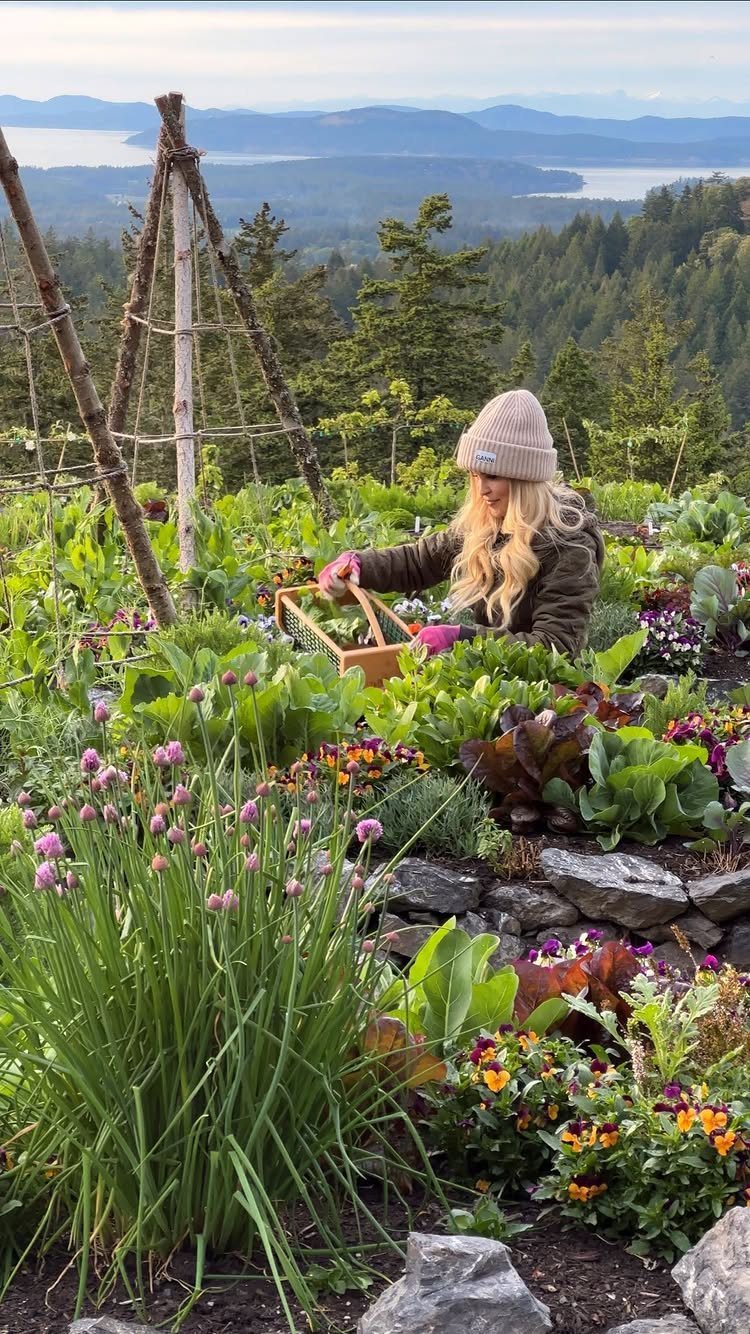
Some vegetables do not wait for summer. Greens, root crops, and alliums will grow in cold soil and survive frost that would kill a tomato.
Chives and leafy plants fill the beds, and the scene says this is not a July afternoon.
Before you plant for cool seasons, check your first and last frost dates.
Then match days to maturity on the seed packet against the weeks you have. A crop that needs 60 days will not finish if you plant it 45 days before hard frost.
Cold frames or simple row cover can extend what you grow. The plants look open to the sky, but the same beds could carry protection.

1/4 INCH IRRIGATION TUBING: Create a feeder line that supplies water to a low-flow, drip-watering device, or use as a main line in a small drip irrigation system; for trees, shrubs, flower beds, groundcover, vegetable gardens, and planters

PROVIDE WATER PRECISELY WHERE NEEDED - Perfect drip stake for greenhouse, nursery & container gardening.

💧 Complete All-in-One Irrigation Kit – Everything You Need in One Box : Includes 40 ft of 1/2” main tubing, 200 ft of 1/4” distribution tubing, 30 precision sprayers (stream drippers, vortex emitters & mist nozzles), plus all connectors and fittings. Easily covers up to 250 sq. ft. in a single line or two 120 sq. ft. zones—perfect for gardens, raised beds, and greenhouses.
5. Raised Beds
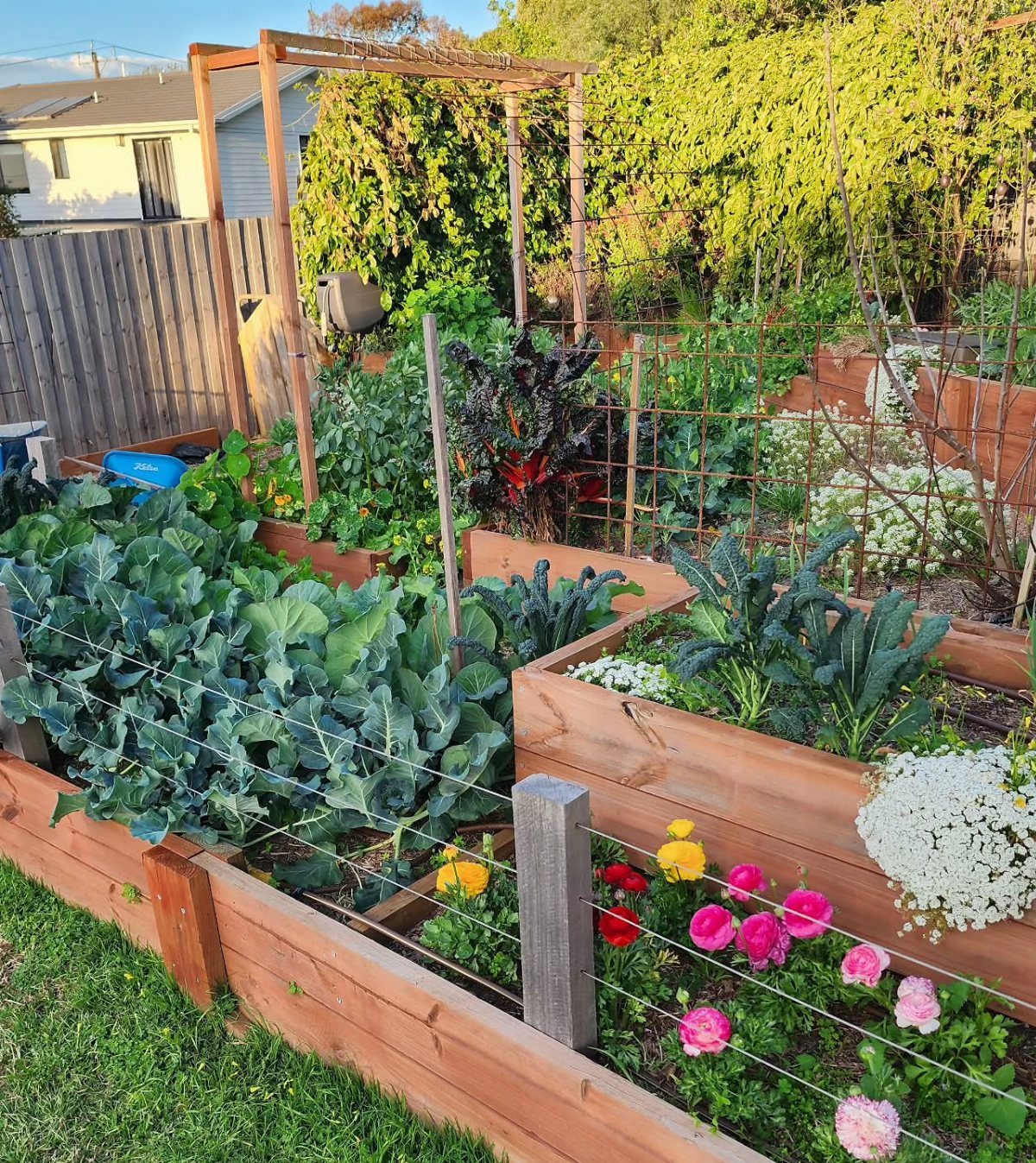
Raised beds lift the soil above ground level, which matters when drainage is poor or bending is hard. Tiered wooden boxes planted with chard, kale, and flowers work well with a trellis frame on one end for climbers.
Wood rots and treated lumber leaches chemicals.
If you build with it, line the inside with plastic pond liner as a barrier. Brick or limestone will shift your soil pH; seal porous materials with a non-toxic pond paint so they do not draw nutrients away from roots.
Ground-level planting stays warmer year-round and gives roots more room to run deep. I would choose raised beds only where clay stays soggy or where waist-height access is worth the extra construction and the eventual rebuild.
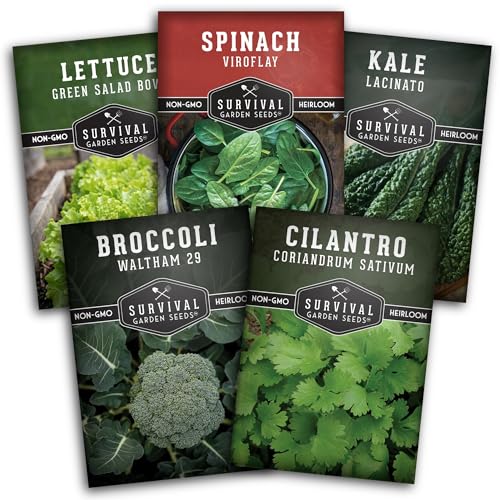
5 COOL SEASON VARIETIES – Includes Broccoli Waltham 29, Kale Lacinato, Lettuce Green Salad Bowl, Spinach Viroflay, and Cilantro for versatile garden harvests

15 HEIRLOOMS – Bush Beans (Phaseolus vulgaris); Red & Golden Beets (Beta vulgaris); Broccoli (Brassica oleracea var. italica); Cabbage (Brassica oleracea var. capitata); Kale (Brassica napus var. pabularia); Kohlrabi (Brassica oleracea var. gongylodes); Carrot (Daucus carota var. sativus); Swiss Chard (Beta vulgaris var. cicla); Pea (Pisum sativum); Radish (Raphanus sativus); Spinach (Spinacia oleracea); Onion (Allium cepa); Cherry Tomato (Solanum lycopersicum); Rhubarb (Rheum rhabarbarum)

COOL WEATHER VEGGIES – Essential spring mix of leafy greens, root vegetables and herbs perfect for both early planting or fall gardens, makes a great gift for gardeners and beginners
6. Container and Grow Bag Planting
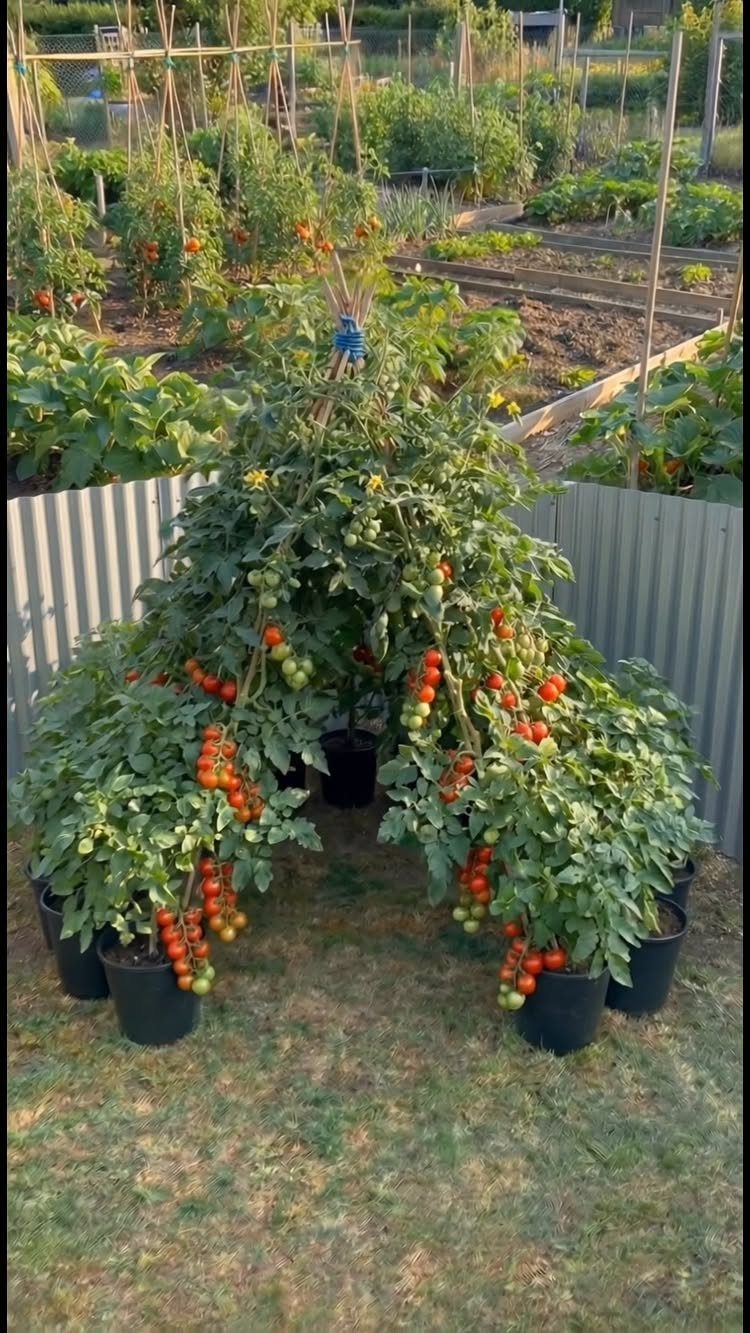
Tomatoes will fruit in containers if the container is large enough. Black pots hold plants heavy with red and green fruit, each staked with bamboo poles tied at the top into a teepee.
Fabric grow bags work the same way and breathe better than plastic, though they dry out faster.
Either way, a single tomato needs enough soil for the roots to spread; less and the roots circle, the plant stalls, and the fruit stays small.
The bamboo support is worth copying.
Stakes driven into the pot and lashed at the top spread the weight of a laden plant without the work of a full cage. Check the lashings once a season; they loosen as the canes weather.


7. Circular Permaculture Garden Layout
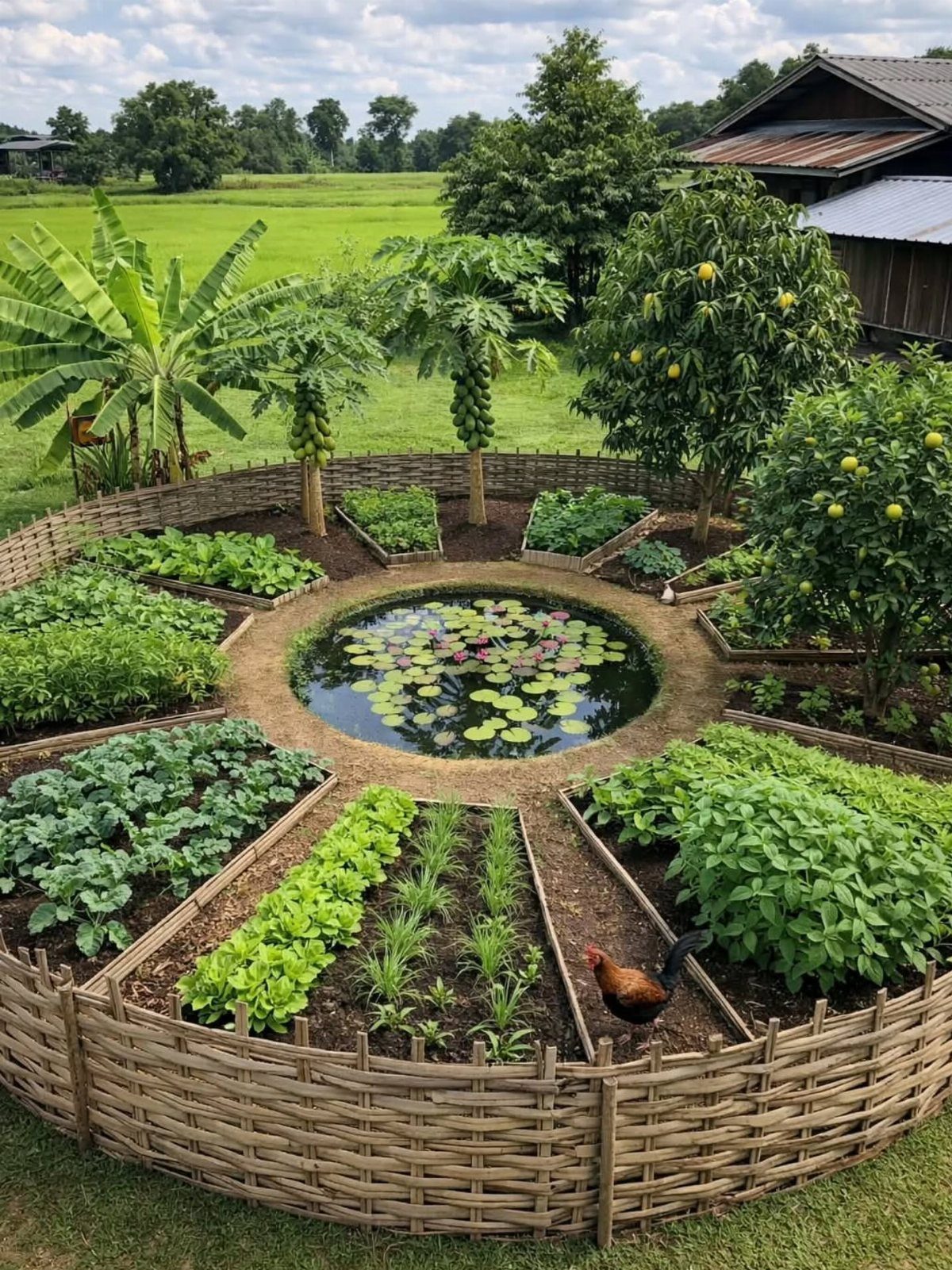
A circular layout turns the gardener into the hub. Beds radiate like spokes from a center point, and every section stays within arm’s reach from a single path that rings the middle.
The pond in the center is not decoration alone. Water moderates temperature, attracts pollinators, and gives you a place to dip a can when a plant needs a drink.
Woven bamboo fencing at the outer edge blocks wind without casting deep shade, and the wedge beds warm faster on their south-facing inner edges than on their north-facing backs.
This design asks more of your planning than of your budget. You will need to map sun angles before you stake the center, because a pond placed wrong throws shadow where you planned tomatoes.
Paths need to stay wide enough to turn a wheelbarrow in the arc; the outer ring should allow that, then taper toward the middle so movement stays smooth.
Ground space is the real cost. A circle encloses less planting area than a rectangle of the same overall width, so this suits gardeners who tend daily rather than those filling a freezer.

Keep Your Landscape Clean and Tidy: Our premium weed barrier is designed to provide excellent weed control properties, ensuring a clean and tidy landscape for a long time.

2-PACK, 400 SQ FT TOTAL COVERAGE: Includes two folded 4FT x 50FT landscape fabric pieces for 400 sq ft of total coverage. The two-piece format makes it convenient to cover separate garden beds, vegetable rows, pathways and landscaping areas one section at a time.
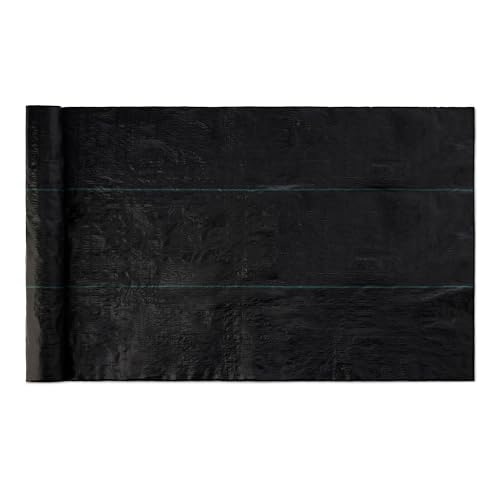
50x3-foot heavy-duty weed control fabric for helping prevent unwanted weed growth
Garden Maintenance Tips
A garden that is hard to reach becomes a garden that is easy to ignore.
I check my paths after every heavy rain, because a 4-foot main run that held a wheelbarrow in April can turn into a mud channel by June if the fabric shifts or washes out.
Weeds do not wait for you to notice them.
A quick pass with a hoe every week beats waiting until weeds have established roots, and that straight row layout makes the timing predictable. You walk the same line, you hoe the same line.
Drip lines clog. I flush mine with clean water at the start of each season and check emitters while the system is running, not after.
A dry corner you miss in May is dead plants in July, and by then the season is gone.

PREMIUM BAMBOO TRELLIS: Our bamboo trellis are made from carefully selected natural bamboo, ensuring high quality and durability. All bamboo trellis are handmade, reusable, and a nice choice for every gardener

Heavy Duty Trellis: You will get 2 pack trellis for climbing plant outdoors. The trellis measures 4ft/47.2'' high x 18'' wide. The average diameter of the stake is 14-16 mm/0.55-0.62 inches (due to the handmade nature of the product, the measurement error range is ≤±2cm/0.7'')

【Waterproof and Durable】: Our obelisk trellis is made of metal tubes and PE plastic coating, which prevents the tower from rusting, waterproof and able to withstand all kinds of weather conditions, ensuring a long service life.
Seasonal Planting Considerations
Morning sun matters more than afternoon sun for vegetable gardens.
The soil warms early, and the plants get light when dew still sits on leaves. 6 hours is the minimum most vegetables need; less than that, and you are working against the site, not with it.
I map sun in March, before the trees leaf out, because summer shade is not where winter shade was.
A corner that looks open in early spring can disappear under a neighbor’s oak by June. The house itself shifts shade across the day; the east side opens to light while the west side closes.
Cool season crops are the workaround for partial shade. Greens and root vegetables do not demand the same hours as tomatoes or peppers, and planting them where light is weaker uses space that would otherwise sit empty.
Match the crop to the spot, not the spot to the crop you wish you could grow.
You should have 2-3 areas in your garden that get at least 6 hours of sun each day.
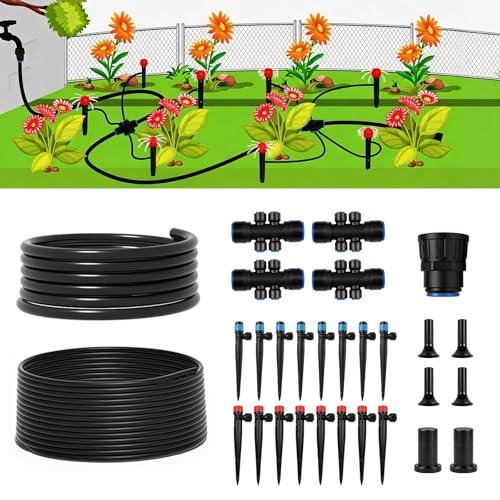
TRUE QUICK CONNECT – NO LEAKS, NO STRUGGLE: Unlike traditional kits that require twisting and force-fitting, our quick-connect design lets you simply push tubing into place. Secure, leak-resistant connections every time — no tools needed.
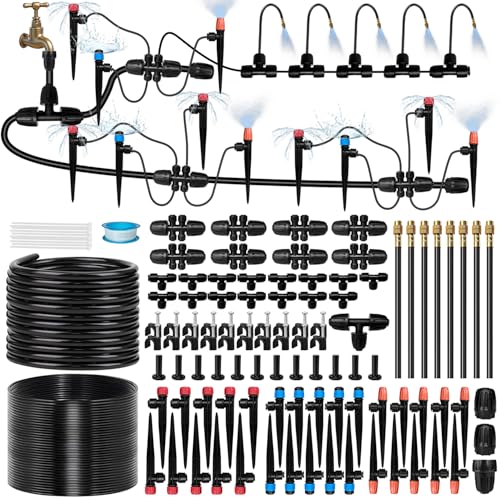
【Upgraded Tube Design & Water Saving】 Our garden watering system is upgraded to 1/2” diameter to support high water pressure. The 1/2” tee connector allows seamless splitting into 2 independent zones for customized watering schedules. By delivering moisture directly to root zones, this drip Irrigation system significantly reduces evaporation and runoff—saving more water compared to conventional sprinklers while eliminating the need for manual watering.
Benefits of Home Gardening
A vegetable garden does not pay for itself in grocery savings.
The math rarely works that way, especially in the first year when soil amendments and tools stack up. The value is in what you are doing while you are doing it.
Tending plants pulls you outside on days when you would otherwise stay in.
The work is physical enough to matter, repetitive enough to let your mind wander, and interrupted often enough that a problem in another part of your life does not stay stuck.
A short session of weeding or watering breaks a rumination cycle better than most things I have tried.
The produce itself is different from store-bought.
A tomato picked warm from the vine tastes like the variety it is, not like the variety ships well. That difference is real, and it is yours.
Frequently Asked Questions
How should I layout my vegetable and fruit garden?
Rows work for plots bigger than a few beds because you can walk, hoe, and track plantings in straight lines.
Block planting squeezes more harvest out of every square foot than long rows, though the tighter spacing means pulling weeds by hand since a hoe will not fit between.
What fruits and vegetables can I grow right now?
If your soil is still cold, plant cool-season crops: greens, root vegetables, and alliums survive frost that would kill tomatoes and peppers.
Your seed packet lists days to maturity; count backward from your area’s first frost date to see if the season you have left is long enough.