
These cedar stained deck ideas run from transparent finishes that let every grain line show to warm browns and near-black solids, and the right one depends on whether you are starting with new lumber or rescuing weathered boards.
New cedar carries mill glaze and tannins that fight adhesion, so the choice starts at prep, not color.
[link-whisper-related-posts]1. Transparent Stain Cedar Deck
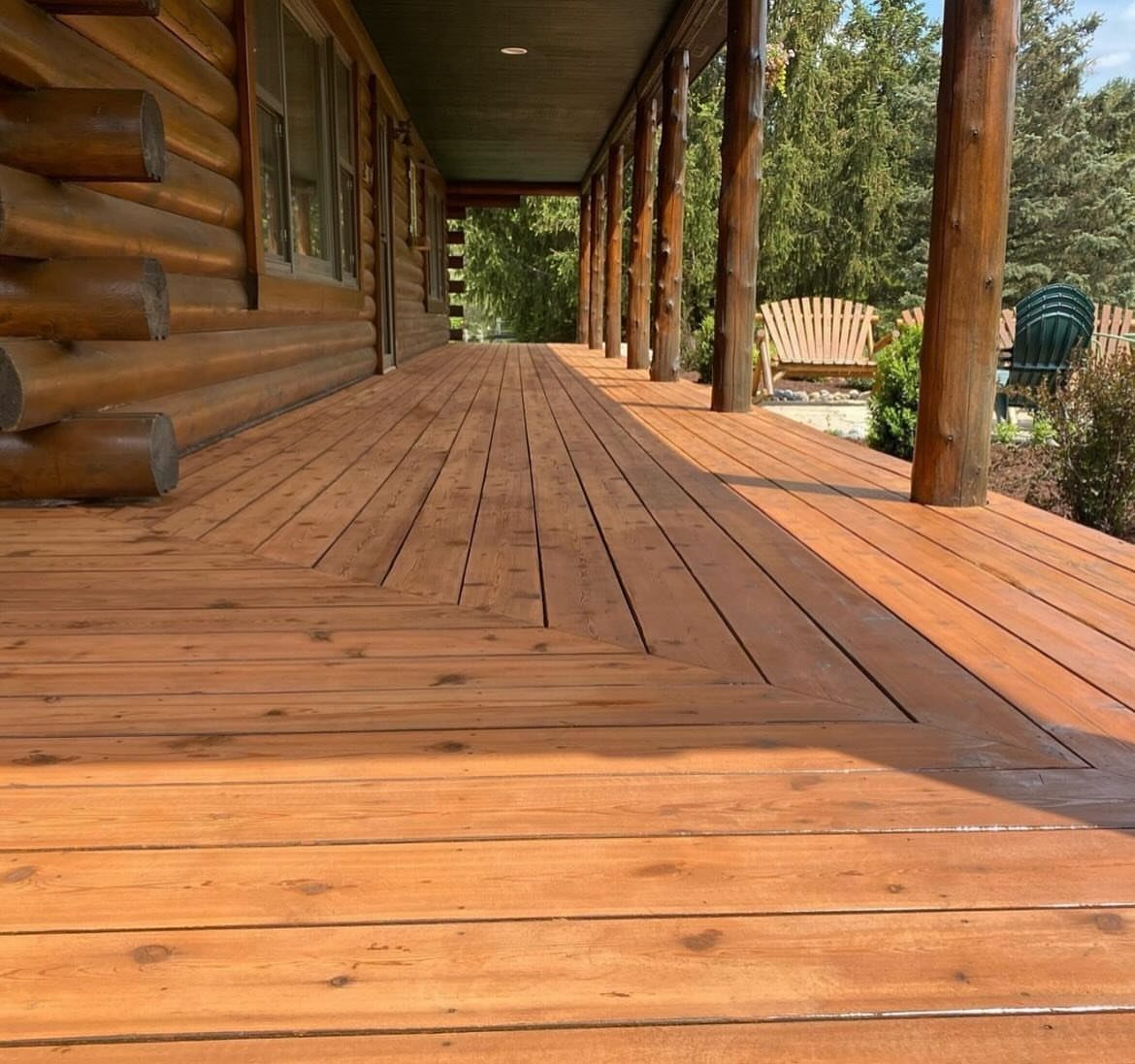
A transparent stain lets the grain of cedar stay fully visible while it still soaks in enough protection to slow graying from sun and rain.
A reddish-brown transparent stain sits on the warm side, reading as classic cabin style without committing to a darker solid color.
Before buying, I would check the label for UV inhibitors, since the clear film does not block light on its own, and I would plan to re-coat sooner than with heavier opacities.
The chevron pattern in the planks adds visual interest that a transparent finish rewards; a solid stain would flatten that detail.

READY-TO-USE DECK STAIN & SEALER: Olympic WaterGuard woodland cedar semi-transparent wood stain and sealant combines color and waterproofing in one water-based, ready-mix coat.

NO LAPS, RUNS OR STREAKS: Goof Proof formula with no back brushing required; ideal for exterior wood projects

WATERPROOFING STAIN – Bring out the beauty of your outdoor wood with Thompson’s WaterSeal Transparent Waterproofing Wood Stain. Along with adding smooth color, it’s a deck sealer that prevents water damage to help you maintain your outdoor living spaces.
2. Semi-Transparent Stain Cedar Deck
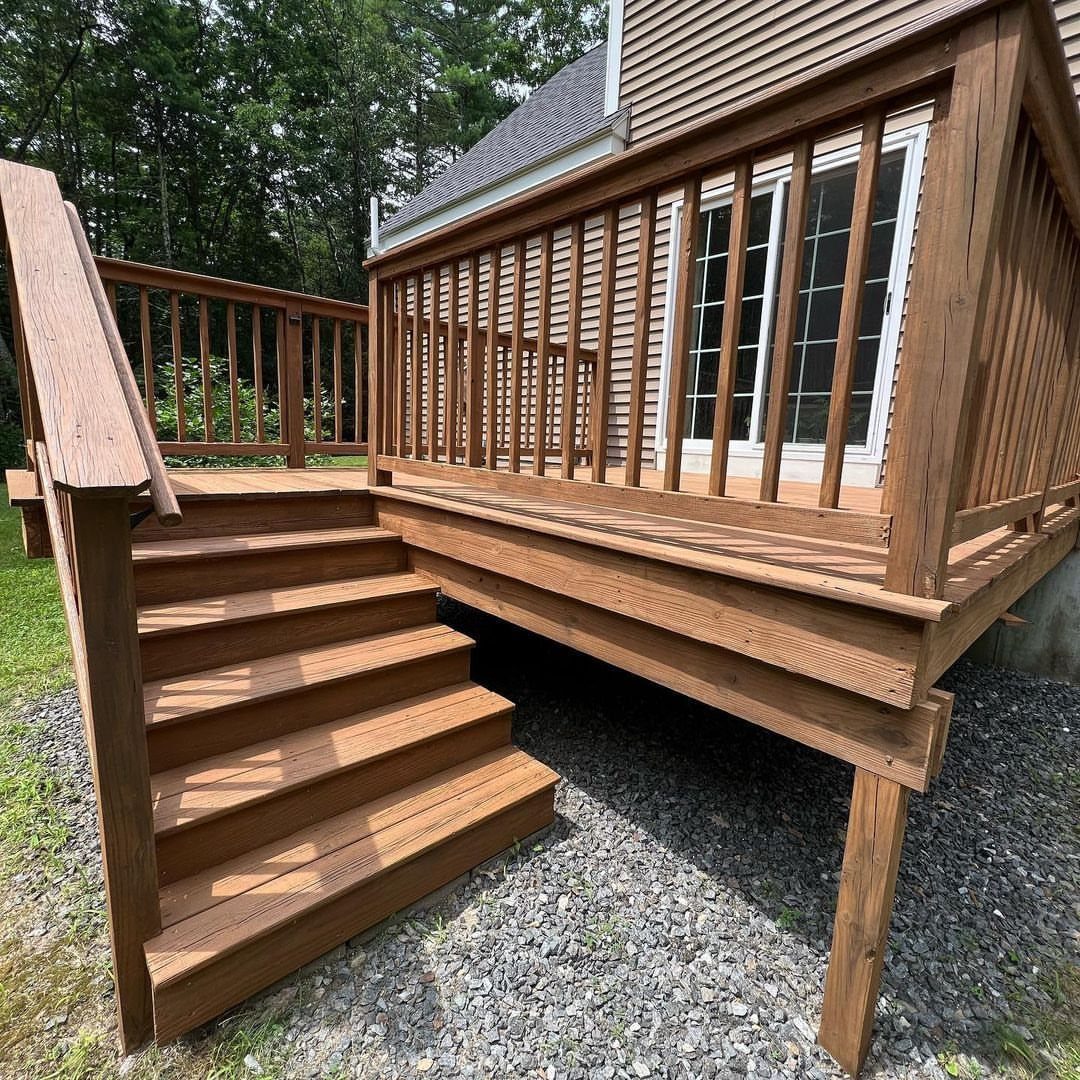
Semi-transparent stain gives cedar a tinted veil that still shows the wood grain underneath, richer than clear but not as flat as solid color.
A semi-transparent brown reads warm and lived-in, a middle ground for anyone who wants the deck to look finished without hiding the material entirely.
I would test a small patch first, since cedar’s natural tannins can pull stain toward orange or red depending on the batch.
The gravel area and trees around this deck suggest a setting where dirt and pollen are regular visitors; semi-transparent hides that better than transparent while still feeling like wood rather than paint.

WATERPROOFING STAIN – Bring out the beauty of your outdoor wood with Thompson’s WaterSeal Semi-Transparent Waterproofing Wood Stain. Along with adding lightly tinted color, it’s a deck sealer that prevents water damage to help you maintain your outdoor living spaces.

READY-TO-USE DECK STAIN & SEALER: Olympic WaterGuard acorn brown semi-transparent wood stain and sealant combines color and waterproofing in one water-based, ready-mix coat.
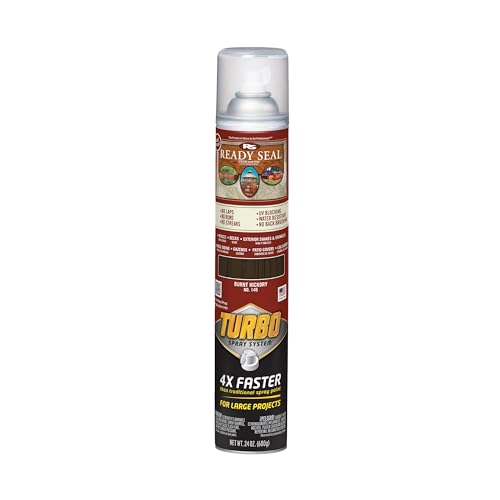
NO LAPS, RUNS OR STREAKS: Goof Proof, oil-based formula now equipped with the powerful Turbo Spray System; ideal for exterior wood projects
3. Cleaning and Preparing the Deck

Pressure washing opens the grain so stain penetrates evenly instead of sitting on top and peeling.
A pressure washer gets the surface ready, though I would follow it with a dedicated wood cleaner rather than relying on water alone, since mill glaze and tannin bleed need chemical lift.
The deck has to dry fully before any stain goes down, and that means more than surface-dry.
I would wait until the deck is fully dry after washing, longer if the weather is humid, and I would not start if old stain or sealant is still visible in patches.
Stripping or sanding comes first, or the new coat fails where the old one holds on.

Each container of 32 oz. concentrate mixes 10 gallons, 20 gallons total, cleaning and brightening approximately 1200 sq. ft.

PREP WOOD BEFORE APPLYING STAIN: Cleaning wood before staining helps remove dirt, grime, and weathering buildup that can interfere with stain absorption and final appearance.
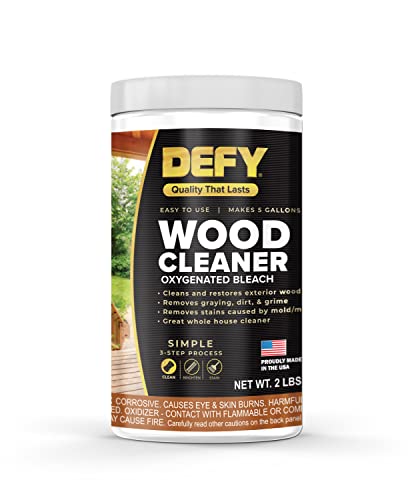
DEEP CLEANS WOOD SURFACES: Oxygenated bleach formula penetrates and opens wood pores for maximum stain absorption. Ideal for prepping decks and fences before staining or sealing.
4. Staining New Cedar Deck
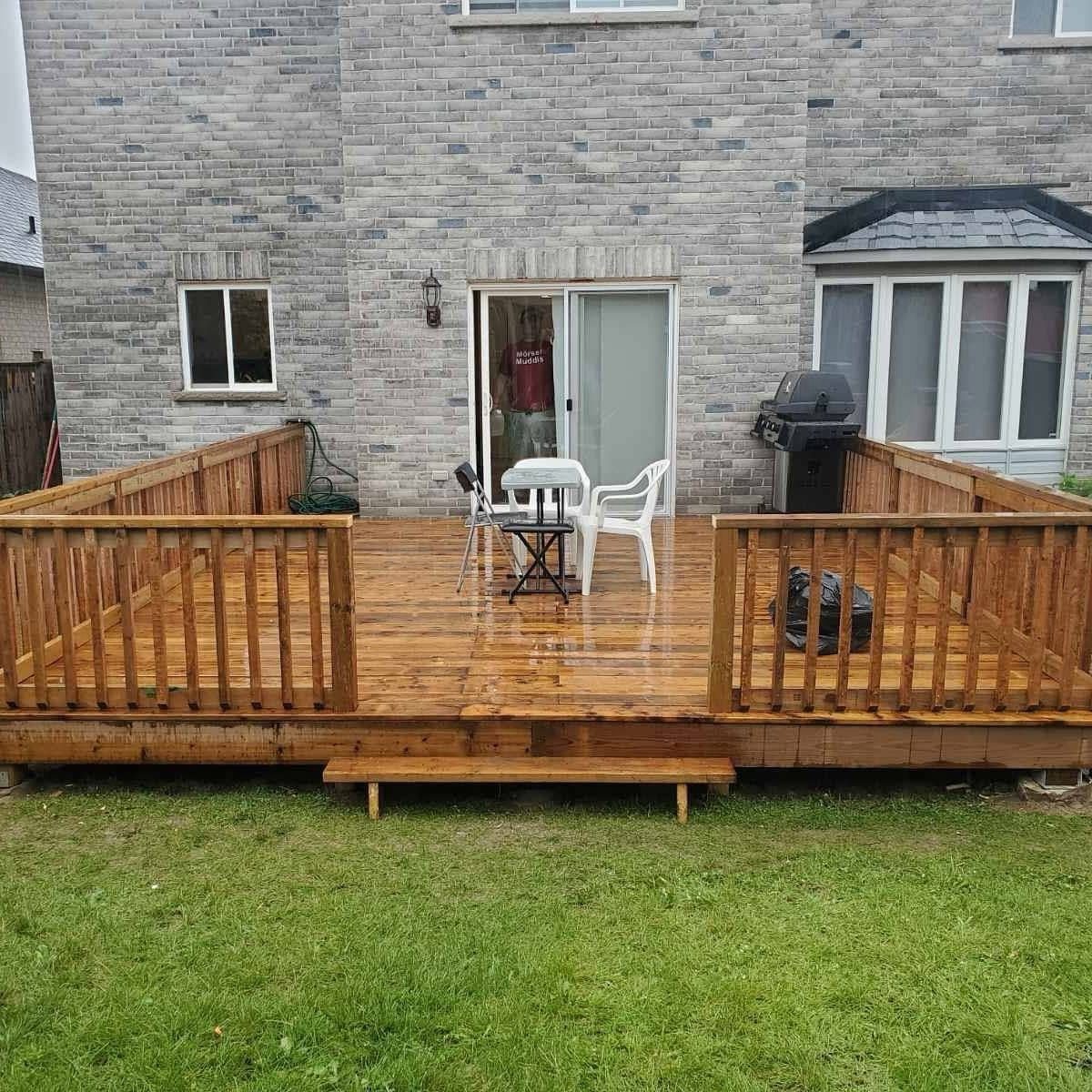
New cedar is a puzzle: the wood is soft, full of natural oils, and often carries mill glaze from the saw blades that seal the surface tight.
Some builders say wait a year and let it weather; others argue that exposes the deck to a full cycle of sun and moisture with no protection.
I would split the difference and test a small area after a few months.
If water beads and sits on the surface instead of soaking in, the wood is not ready. A light wash with a deck cleaner and a rinse can speed that along by opening the grain.
A honey tone is what I would aim for on new cedar, not too dark for a first coat, easy to build on later if the wood sucks it up unevenly.

Professional concentrate cleans decks, siding, driveways, and patios - perfect for homeowners preparing for BBQs, real estate agents staging homes, or contractors finishing jobs.

Makes 20 gallons

Cleans Cleans decks, Fences and other outdoor structures such as pergolas, gazebos and carports
5. Warm Cedar Stained Deck
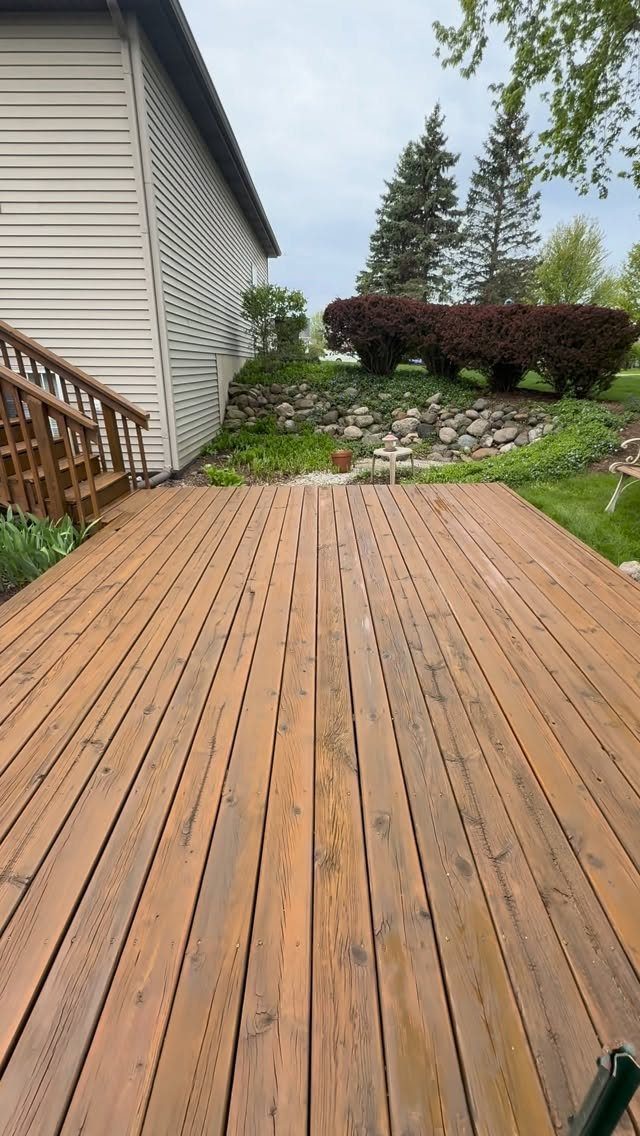
Warm cedar stain pulls the honey and amber notes out of the wood rather than the red, and in low afternoon light it can look almost golden.
The photo was taken from deck level, which is how you actually see the boards when you are standing on them, and that color reads as inviting rather than dramatic.
I would choose this tone for a backyard that already has stone and planting in neutral browns and greens, since it bridges those materials without competing.
UV protection is the main reason to stain at all, and a warm shade like this shows fading sooner than darker browns, so I would mark my calendar for a maintenance coat before the color looks tired.

PROTECT WOOD - Cabot Wood Toned Stain + Sealer is specially formulated with a unique blend of resin and oil to provide a superior natural finish for bare wood. It’s a wood protector against the sun and weather elements.

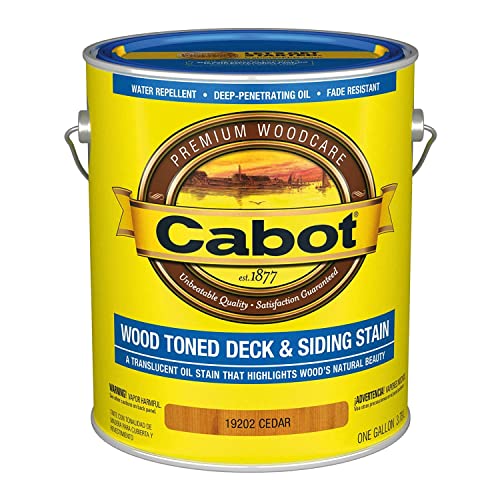
PROTECT WOOD - Cabot Wood Toned Stain + Sealer is specially formulated with a unique blend of resin and oil to provide a superior natural finish for bare wood. It’s a wood protector against the sun and weather elements.
6. Spray Applying Deck Stain
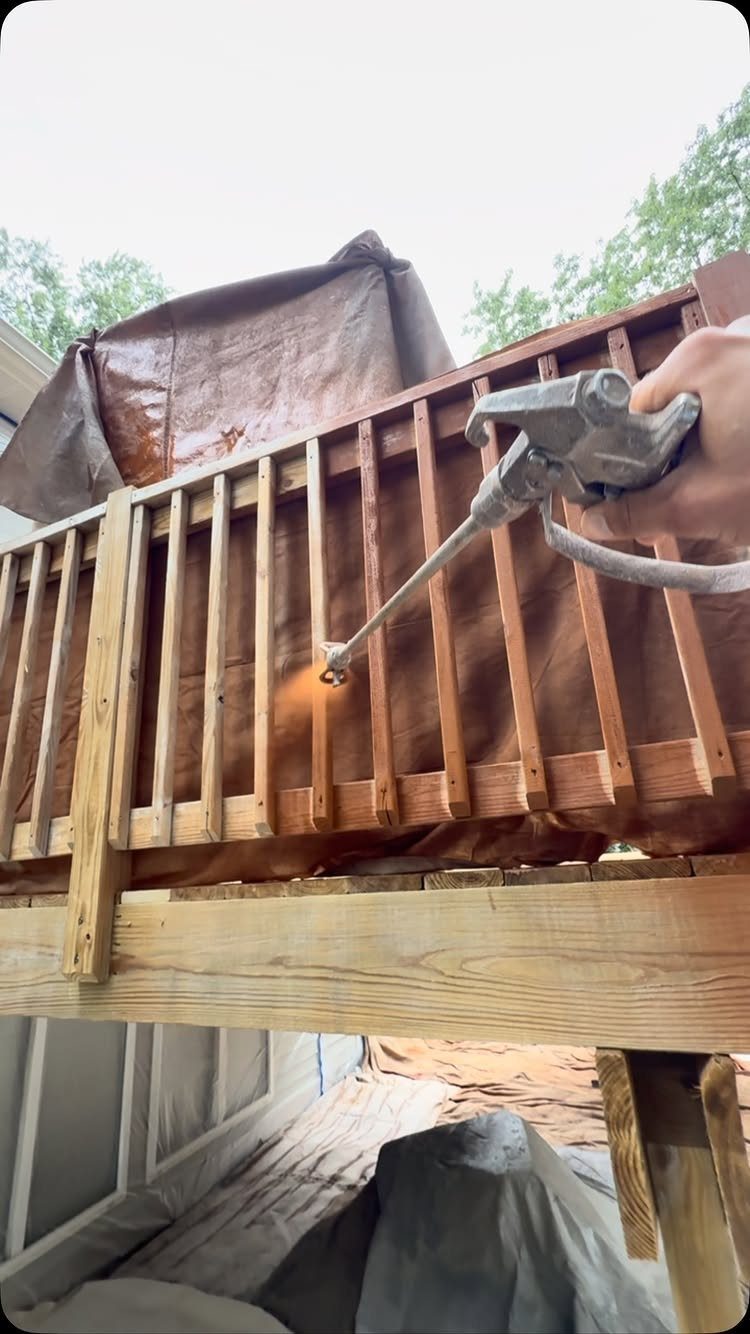
Spray application covers railing slats fast, the kind of work that eats a weekend if you do it with a brush alone.
A hand-held spray gun gives you control over distance and speed, and that matters because stain runs on vertical surfaces more readily than paint.
I would still back-brush or pad the flat boards after spraying, since the mist can settle unevenly and the finish looks patchy where too much lands in one spot.
Wind is the enemy here; a calm morning is worth waiting for, and I would mask nearby siding before I start, not after the first drift coats the brick.
SEMI TRANSPARENT EXTERIOR WOOD STAIN: Our outdoor wood stain and sealer allows the natural wood grain to show through, highlighting the beauty of your decks, fences and sidings and preserving its natural look.
ADVANCED PROTECTION FOR OUTDOOR WOOD: DEFY Extreme wood stains offer high-performance deck stain and sealer products that prevent graying & weathering while also extending the life of exterior wood surfaces
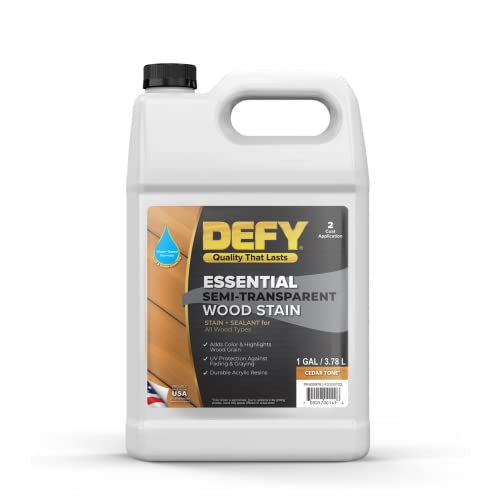
Wood Stain and Sealer in One - This product works as a wood stain and water sealer for wood - it simultaneously adds color and protects your outdoor wood surfaces for years to come.
7. Dark Cedar Stained Deck
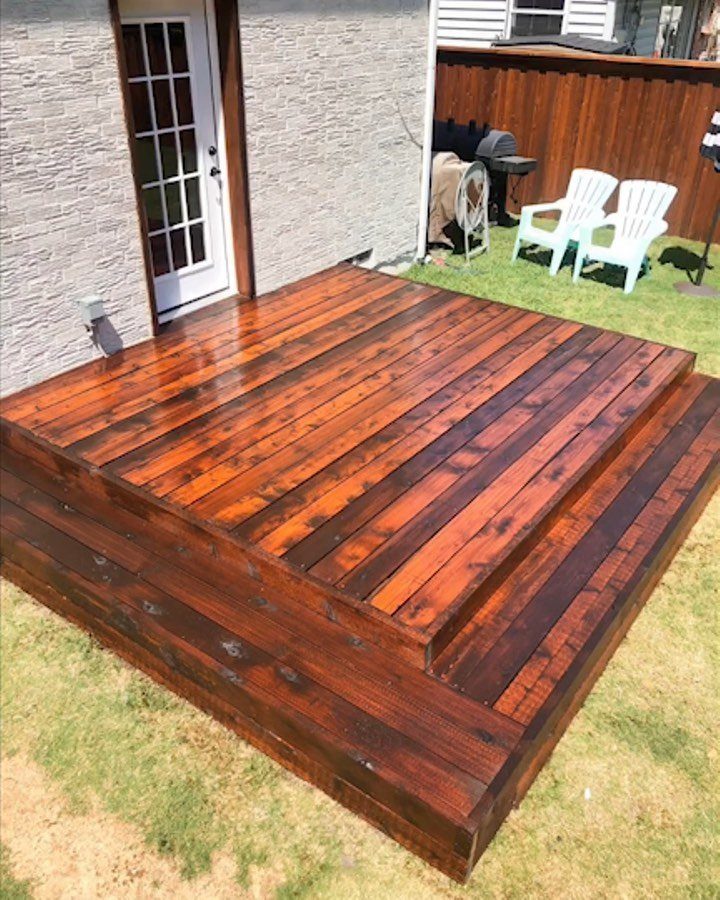
A dark stain on cedar reads almost mahogany, soaking up light and hiding the grain beneath a rich, uniform film.
The white brick behind this deck makes the color work; against lighter siding the same tone can feel heavy and closed in, which is what the caption warned about.
I would check whether the product is a solid stain or a heavily pigmented semi-solid, since true solid stains sit on top like thin paint and can peel where water gets under the edge.
Dark colors also absorb more heat, so barefoot summer mornings on south-facing boards may be shorter.
Dark brown stain holds its color longer than honey tones on a deck in full sun, though any finish in that much light still needs a fresh coat on a regular schedule.

STAIN & SEALER IN ONE: This high-performance formula functions as both a deep-penetrating stain and a professional-grade sealer. It enhances the natural beauty of the wood grain while providing a durable barrier against moisture and environmental wear.

NO LAPS, RUNS OR STREAKS: Goof Proof formula with no back brushing required; ideal for exterior wood projects
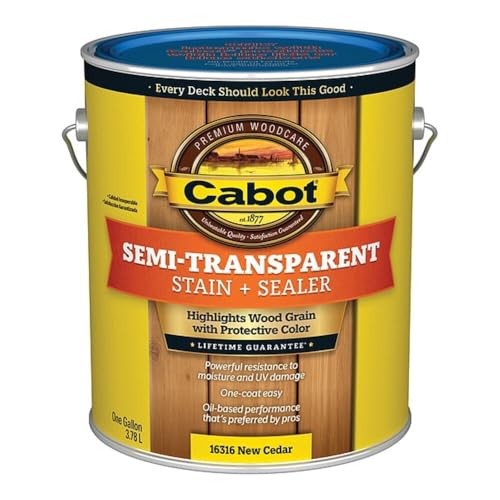
OIL-BASED WOOD STAIN - Cabot Semi-Transparent Stain + Wood Sealer is formulated to provide long lasting beauty and wood protection. The wood sealant highlights the grain of your wood with protective color.
8. Applying Stain with Pad Applicator
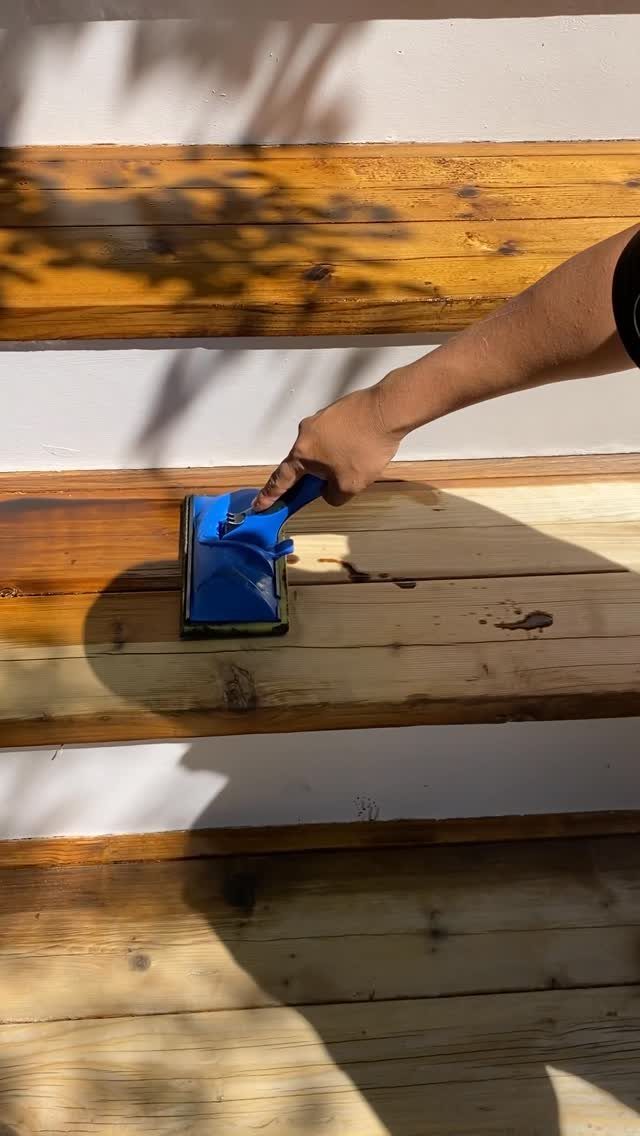
A pad applicator carries more stain than a brush and pushes it into the grain with less splatter. The flat face suits horizontal boards; the edge can cut in along a wall or rail post.
I would work with the grain in sections small enough to keep a wet edge, since the pad lays down a heavier coat than a brush and overlapping dries to a darker lap mark.
Wet stain against raw wood leaves a line that sets fast; the race is to keep that edge wet and blended before it dries. Rinse the pad between coats or it stiffens overnight.
Cleans & Opens Pores of Wood Surfaces Before Staining - This oxygenated bleach deep cleans wood surfaces and opens the pores for maximum stain absorption


POWERFUL DECK CLEANER & MILDEW REMOVER – This deck cleaner and mildew remover is a professional-grade deck cleaning solution, effectively eliminating black and green stains, mold, and built-up grime on wood and composite surfaces.
9. Cedar Deck with Black Railings
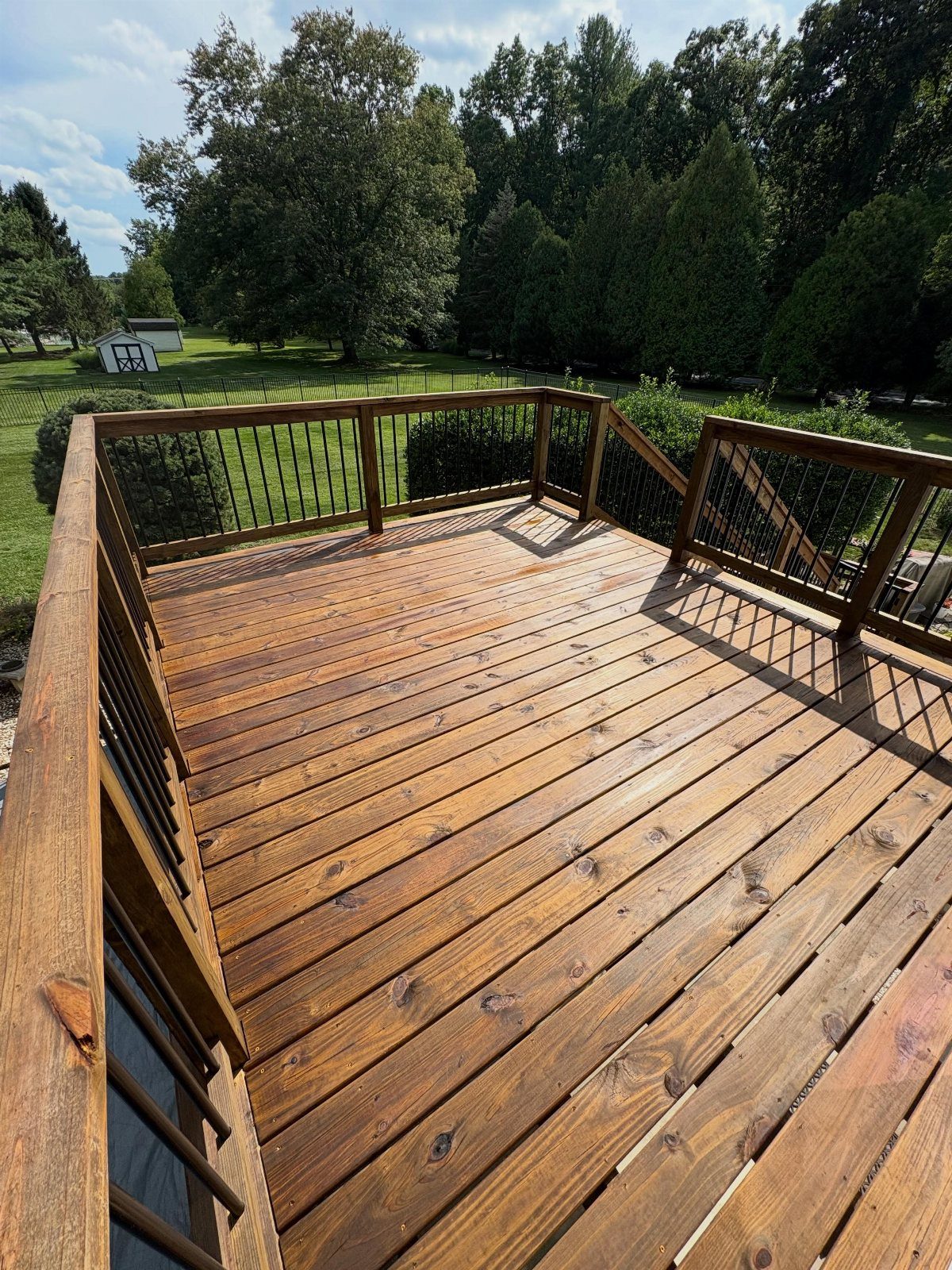
Black metal balusters threaded through cedar top and bottom rails give the deck a cleaner sightline than all-wood construction, and the contrast flatters both materials. The thin verticals disappear at a distance while the cedar warmth stays up front.
I would confirm the metal is powder-coated for exterior use, since raw steel rusts where the cedar holds moisture against it.
Simple round stock railings are easy to source, but square or flat bar would read more modern if that suits the house.
Cedar rail caps need their own maintenance schedule; I would stain them when I do the floor and touch up the metal only where the finish chips.
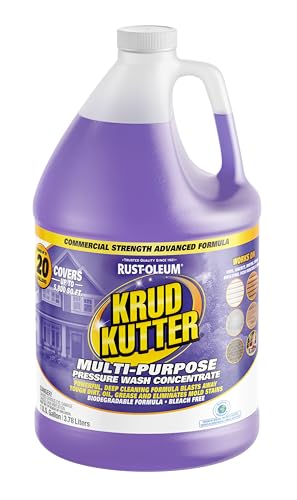
COMMERCIAL STRENGTH ADVANCED FORMULA: Penetrates and removes tough dirt, oil, grease, bird droppings, tree sap, and more

Cleans house siding including vinyl, aluminum, stucco, wood and brick

Achieve Professional-Level Cleaning Results with This 16.5” Surface Cleaner, with Up To 4400 PSI of Pressure for Easy Cleaning of Flat Surfaces Like Decks, Patios, Driveways, Walls and More
10. Light Brown Cedar Stained Deck
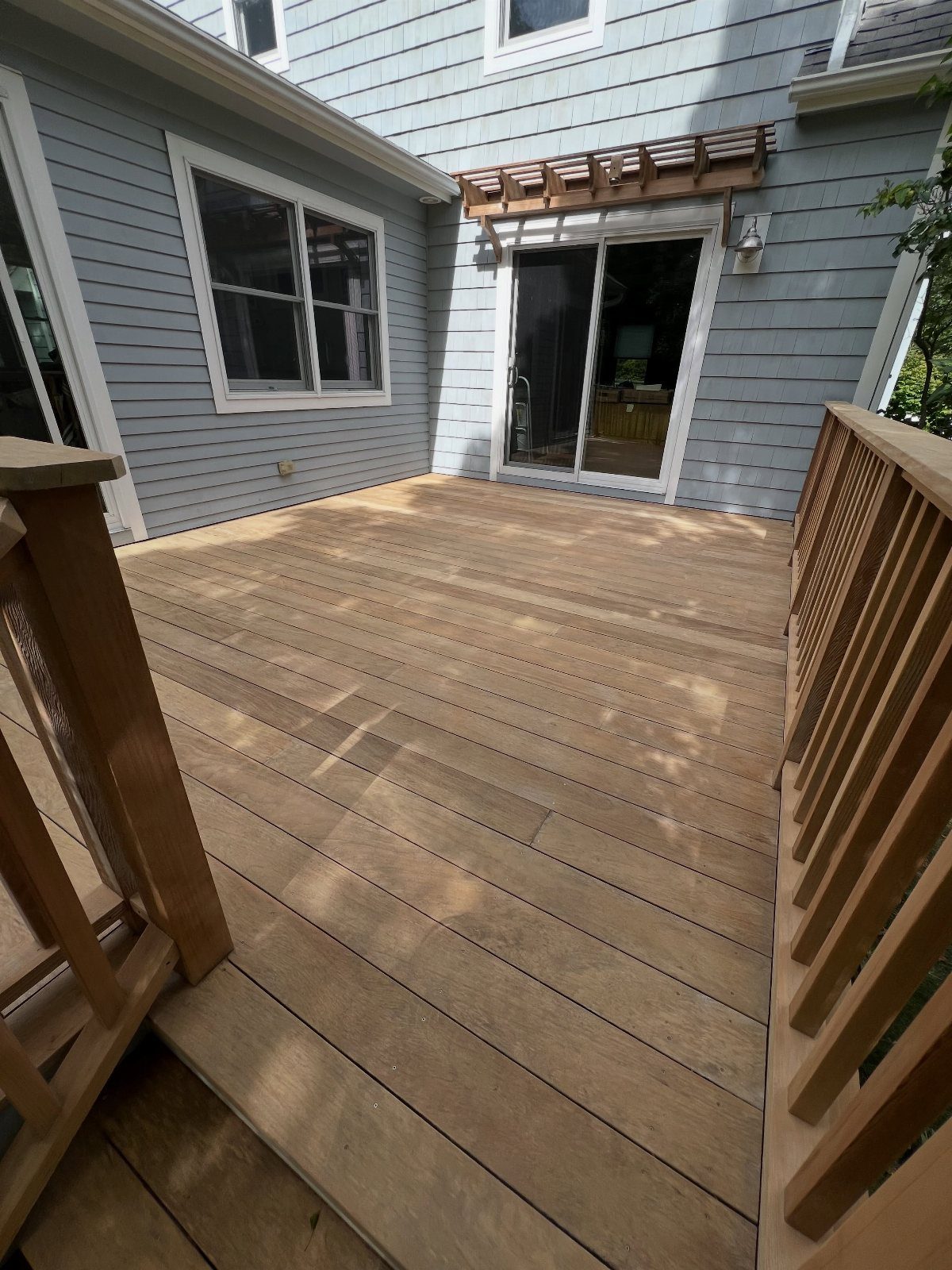
Light brown stain on cedar keeps the deck close to its fresh-cut color, a tone that reads as casual and matches pale blue siding without trying too hard.
The matching wood railings extend the material rather than introducing a second one.
I would choose a semi-transparent or light semi-solid for this effect, since transparent finishes on cedar shift orange within a season and solid light colors can look chalky when they wear.
Tree shadows mean leaf tannins and pollen that stain light finishes green or yellow where they sit wet.
A maintenance wash in fall, before the stain goes down, matters more with this shade than with dark browns that hide the discoloration.
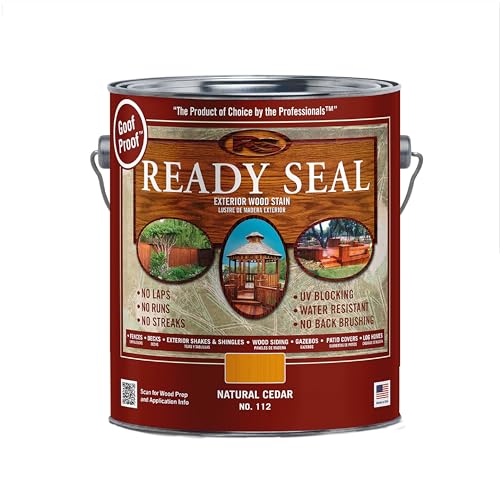
NO LAPS, RUNS OR STREAKS: Goof Proof formula with no back brushing required; ideal for exterior wood projects

Ultra oxidizer, oxygen-activated powder concentrate
STORM PROTECTOR: Storm Protector is a penetrating, semi-transparent stain and sealer that highlights the natural beauty of the wood grain while providing protection from Mother Nature.
Best Stain for Cedar Deck
Transparent finishes show the grain fully but need the most frequent maintenance, while solid colors hide it beneath a film that lasts longer but can peel.
UV inhibitors matter in any opacity; without them, the sun wins faster regardless of the shade.
For new cedar, the real question is when, not what. A few months of waiting, then testing water absorption, splits the difference and avoids the worst of both paths.
Downsides of Cedar Decking
Cedar’s natural oils and softness are double-edged.
Fresh cedar boards carry mill glaze and tannins that fight stain adhesion, so a chemical lift has to happen before any finish goes down. Without that prep, stain sits on top and fails early.
The wood grays fast in sun and swells with moisture, so the maintenance cycle is real. Every option trades something.
Longevity of Cedar Deck
A cedar deck can last decades, but the stain does the heavy lifting.
The finish repels water, blocks UV, and buffers temperature swings that otherwise warp and crack the boards. Skip it and the wood weathers unprotected; the grain opens, moisture gets in, and rot follows.
Regular coats on a schedule matter more than the brand. Transparent and light finishes need attention before they look tired; darker solids hide wear longer but fail more dramatically when they do.
The calendar date for re-coating depends on exposure, not a rule printed on the can. Mark it yourself after the first year tells you how your particular deck behaves.
Generally speaking, a good finish will extend the life of a deck primarily by easing UV damage from the sun.
Frequently Asked Questions
What stain color looks best on cedar?
Semi-transparent stains work best for most cedar decks, giving the wood a tinted veil that enriches the grain without burying it. Warm browns read classic and lived-in, while honey tones stay close to fresh-cut cedar.
What are the downsides of cedar decking?
Cedar’s natural oils and softness work against you when it comes time to finish the surface.